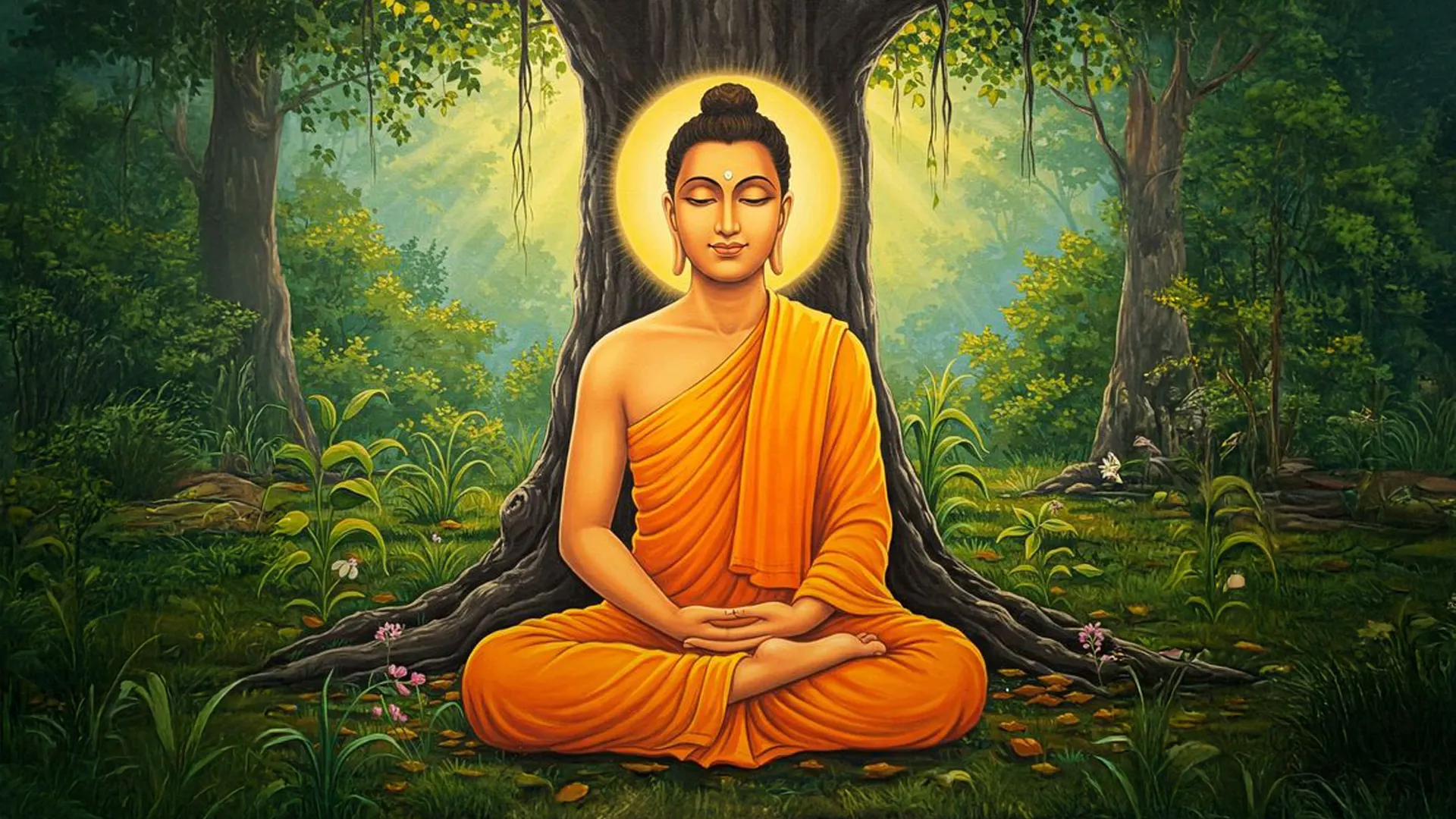
The Freedom Found in Solitude
Buddha's assertion that "He who has tasted the sweetness of solitude and tranquility becomes free from fear and free from sin" invites us to explore the profound relationship between solitude, inner peace, and liberation from the burdens of existence. In a world often characterized by noise and distraction, this quote serves as a reminder of the transformative power of stillness. It suggests that true freedom arises not from external circumstances but from an inner state cultivated through solitude and tranquility.
To delve deeper into this teaching, we must recognize that solitude is not merely the absence of others but a rich, fertile ground for self-discovery and spiritual growth. It is in these moments of quiet reflection that we confront our fears and the shadows of our own minds. The sweetness of solitude, as Buddha describes, is a state of being that allows us to transcend the dualities of existence, leading to a life unencumbered by sin and fear. This exploration of solitude is essential for anyone seeking a deeper understanding of themselves and their place in the world.
The image / the metaphor
The imagery in Buddha's quote evokes a sense of serenity and liberation. The word "sweetness" suggests a pleasurable experience, one that is deeply nourishing to the soul. Solitude is portrayed not as a barren wasteland but as a lush garden where tranquility flourishes. The verbs "tasted" and "becomes" imply an active engagement with solitude, indicating that it is a process of experiencing and embodying peace rather than a passive state of being. This active participation in solitude allows one to cultivate an inner landscape that is free from the chaos of external life.
Diving deeper into the metaphor, we can see that solitude serves as a crucible for transformation. It is in the quiet moments that we can confront our fears, examine our motivations, and ultimately liberate ourselves from the chains of sin—those actions and thoughts that bind us to suffering. The sweetness of solitude is akin to the nectar of life, offering sustenance for the spirit and clarity for the mind. In this way, solitude becomes a sacred space where we can reconnect with our true selves, free from the distractions and judgments of the outside world.
In the speaker's tradition
Within the context of Buddhism, this teaching resonates deeply with the concepts of dharma and sunyata. Dharma, or the natural law that governs the universe, invites us to align our lives with truth and righteousness. When we embrace solitude and tranquility, we are better equipped to understand and embody our dharma, leading to a life that is free from fear and sin. Sunyata, or emptiness, further complements this teaching by encouraging us to let go of attachments and preconceived notions, allowing us to experience the world with fresh eyes and an open heart.
A relevant text that echoes this sentiment is the Dhammapada itself, where Buddha emphasizes the importance of mindfulness and self-awareness. In verses that speak to the nature of the mind, he encourages practitioners to cultivate a tranquil mind as a means to overcome suffering. The teachings found in the Dhammapada serve as a guide for those seeking to navigate the complexities of life, reminding us that true freedom is found within, through the practice of solitude and reflection.
Living the teaching
Consider a modern scenario where this teaching can be applied: a busy professional overwhelmed by the demands of work and life. In the midst of deadlines and responsibilities, the individual may find themselves feeling anxious and fearful, trapped in a cycle of stress. By intentionally carving out time for solitude—perhaps through meditation, nature walks, or simply moments of quiet reflection—they can begin to taste the sweetness of tranquility. This practice not only alleviates fear but also fosters a sense of clarity and purpose, allowing them to approach their responsibilities with renewed vigor and a more centered mindset.
Another application of this teaching can be found in relationships, particularly during conflicts or challenging moments. When tensions arise, it can be tempting to react impulsively, driven by fear or anger. However, if one takes a step back to embrace solitude, even for a brief moment, they can cultivate a sense of tranquility that allows for more thoughtful responses. This practice of pausing to reflect can lead to deeper understanding and compassion, ultimately transforming the relationship and freeing both individuals from the cycle of sin that often accompanies conflict.
A reflection
As we contemplate Buddha's profound words, we are invited to reflect on our own relationship with solitude and tranquility. How often do we seek out moments of quiet in our lives, and what do we discover about ourselves in those moments? Consider this contemplative question: In what ways can you cultivate a deeper sense of solitude in your daily life, and how might that practice lead you to greater freedom from fear and sin?