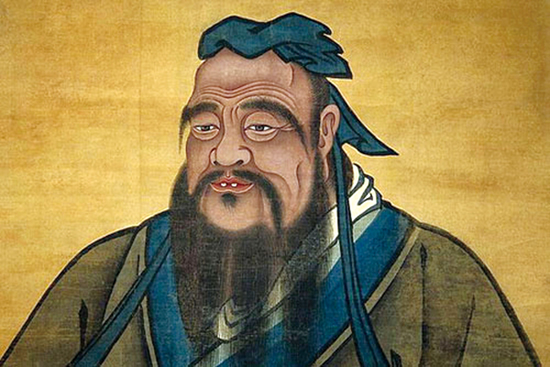
The Joy of Wisdom and the Gift of Longevity
In the succinct wisdom of Confucius, we find a profound observation: "The wise are joyful; the virtuous long-lived." This statement encapsulates a deep understanding of the interplay between wisdom, virtue, joy, and longevity. It suggests that the cultivation of wisdom and virtue not only enriches our lives with joy but also contributes to a longer, more fulfilling existence. In a world often preoccupied with material success and fleeting pleasures, this quote invites us to reflect on the deeper qualities that truly sustain us.
As we delve into this quote, we recognize that joy and longevity are not merely byproducts of life but essential qualities that arise from a life well-lived. The wise, who navigate the complexities of existence with insight and understanding, experience joy as a natural state of being. Similarly, those who embody virtue—acting with integrity and moral rectitude—tend to enjoy a longer life, not just in years but in the richness of experience. This teaching resonates deeply in our contemporary context, where the pursuit of happiness often overshadows the cultivation of wisdom and virtue.
The image / the metaphor
At first glance, the imagery within Confucius's quote is strikingly simple yet profoundly layered. The juxtaposition of "wise" and "joyful" alongside "virtuous" and "long-lived" creates a vivid tapestry of human experience. The verbs chosen—"are" and "long-lived"—imply a state of being that is both inherent and cultivated. The wise do not merely experience joy; they embody it, suggesting that joy is a natural extension of wisdom. In contrast, the notion of longevity tied to virtue evokes a sense of enduring presence, as if the virtuous life is a wellspring that nourishes the soul over time.
Diving deeper into the metaphor, we can see that wisdom and virtue are not isolated qualities but interconnected threads woven into the fabric of a meaningful life. The wise person, through their understanding of the world and themselves, cultivates a joy that transcends external circumstances. This joy is not a fleeting emotion but a profound state of being that arises from living in accordance with one's values. Similarly, the virtuous individual, by adhering to ethical principles, creates a life that is not only longer in duration but richer in quality, filled with purpose and fulfillment.
In the speaker's tradition
Confucius's teachings are deeply rooted in the tradition of Confucianism, which emphasizes the cultivation of moral character and the importance of harmonious relationships. Central to this philosophy is the concept of *ren*, often translated as "benevolence" or "humaneness," which aligns closely with the virtues mentioned in the quote. The wise person embodies *ren*, fostering joy not only within themselves but also in their interactions with others. This interconnectedness highlights the idea that wisdom and virtue are not solitary pursuits; they flourish in community and relationship.
Moreover, the Analects, where this quote is found, serves as a rich source of ethical guidance and reflection. In this text, Confucius often emphasizes the importance of self-cultivation and the role of the individual in contributing to societal harmony. The idea of *li*, or proper conduct, complements the notion of virtue, suggesting that living in accordance with ethical principles leads to both personal joy and communal well-being. This holistic view of life underscores the profound wisdom embedded in Confucius's assertion that the wise are joyful and the virtuous long-lived.
Living the teaching
Consider a modern scenario where this teaching can be applied: a workplace environment where stress and competition often overshadow collaboration and support. An employee who embodies wisdom might approach challenges with a calm demeanor, seeking solutions rather than succumbing to frustration. Their ability to maintain a joyful spirit, even amidst difficulties, not only enhances their own experience but also positively influences their colleagues. In this way, the wisdom of joy becomes a transformative force, fostering a more harmonious workplace culture.
In a personal relationship, the teachings of Confucius can also resonate deeply. Imagine a moment of conflict between partners, where misunderstandings threaten to escalate tensions. A wise individual, grounded in virtue, might choose to respond with empathy and understanding rather than defensiveness. By prioritizing the relationship and embodying the qualities of patience and kindness, they cultivate joy even in challenging moments. This practice not only strengthens the bond between partners but also exemplifies the essence of living a virtuous life, leading to a deeper sense of fulfillment and connection.
A reflection
As we reflect on Confucius's profound insight, we are invited to consider the qualities we cultivate in our own lives. Are we prioritizing wisdom and virtue in our daily choices? How do these qualities manifest in our experiences of joy and the richness of our lives? In this contemplative space, let us ask ourselves: What steps can I take today to embody wisdom and virtue, and how might this shift my experience of joy and longevity?