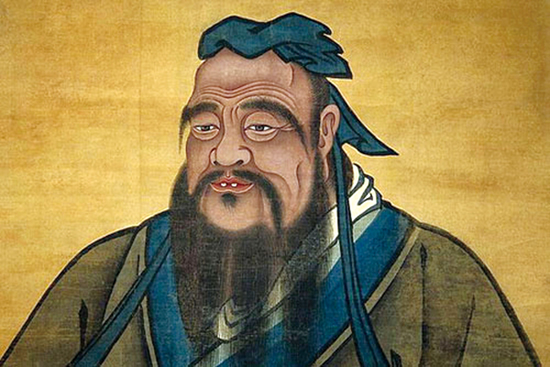
Embracing Nature's Wisdom: A Journey Through Confucian Thought
In the words of Confucius, "The wise rejoice in the waters; the virtuous in the mountains." This profound statement invites us to reflect on the interconnectedness of wisdom and virtue as they manifest in our relationship with nature. The imagery of water and mountains evokes a sense of balance and harmony, suggesting that true understanding and moral integrity are cultivated through our engagement with the natural world. In a time when many feel disconnected from nature, this teaching serves as a reminder of the grounding and transformative power that the environment holds.
Moreover, this quote encapsulates a broader philosophical perspective that emphasizes the importance of both wisdom and virtue in human life. The waters symbolize fluidity, adaptability, and the flow of knowledge, while the mountains represent steadfastness, stability, and moral strength. Together, they create a holistic view of what it means to live a meaningful life, urging us to seek wisdom in the ever-changing currents of existence while remaining anchored in our ethical principles. This duality is essential for personal growth and societal harmony, making the exploration of this quote particularly relevant today.
The image / the metaphor
At first glance, the imagery of "waters" and "mountains" conjures vivid landscapes that resonate deeply within us. Water, with its dynamic and ever-changing nature, symbolizes the wisdom that comes from experience, learning, and adaptability. It flows, carves paths, and nourishes life, embodying the essence of knowledge that is not static but rather a continuous journey. In contrast, the mountains stand tall and unyielding, representing the virtues of strength, integrity, and moral fortitude. The juxtaposition of these two elements invites us to consider how wisdom and virtue can coexist and complement one another in our lives.
Diving deeper into the metaphor, we can see that the wise person, who finds joy in the waters, is one who embraces change and uncertainty, learning from the ebbs and flows of life. This adaptability is crucial for navigating the complexities of existence. On the other hand, the virtuous individual, who finds solace in the mountains, embodies a steadfast commitment to ethical principles, providing a solid foundation upon which to build a life of integrity. Together, these images create a rich tapestry of understanding, illustrating that wisdom and virtue are not merely abstract concepts but lived experiences that shape our interactions with the world.
In the speaker's tradition
Confucius's teachings are deeply rooted in the principles of harmony, balance, and the cultivation of moral character. In this context, the concepts of "ren" (benevolence) and "li" (ritual propriety) are essential to understanding the relationship between wisdom and virtue. Ren encourages individuals to cultivate compassion and empathy, while li emphasizes the importance of social harmony and ethical behavior. Together, these principles reflect the interconnectedness of wisdom and virtue, suggesting that true understanding arises from a commitment to both personal growth and social responsibility.
Furthermore, the Analects, where this quote is found, serves as a foundational text for Confucian thought, providing insights into the nature of human relationships and the importance of moral cultivation. In this light, the wise and virtuous individuals are not merely solitary figures but are deeply engaged in their communities, fostering relationships that reflect the values of wisdom and virtue. This communal aspect of Confucianism highlights the idea that our connection to nature and each other is integral to our spiritual and moral development.
Living the teaching
Consider a modern scenario where an individual faces a significant life change, such as a career transition. In this moment of uncertainty, the wisdom of the waters becomes essential. By embracing the fluidity of the situation, the individual can adapt, learn, and grow from the experience. This adaptability allows for a deeper understanding of oneself and the world, fostering resilience in the face of challenges. The joy found in navigating these waters reflects the wisdom that comes from embracing change and uncertainty.
In a different context, imagine a relationship strained by conflict. Here, the virtue of the mountains plays a crucial role. By grounding oneself in ethical principles such as honesty, empathy, and respect, individuals can approach the situation with integrity. This steadfastness not only helps to resolve the conflict but also strengthens the bond between individuals, illustrating how virtue can guide us through difficult moments. In both scenarios, the teachings of Confucius remind us that wisdom and virtue are not isolated qualities but are interconnected aspects of a fulfilling life.
A reflection
As we contemplate the wisdom of Confucius, we are invited to consider how we engage with the natural world and the virtues we uphold in our daily lives. In what ways can we cultivate a deeper connection to both the waters and the mountains in our own experiences? Reflecting on this question may lead us to discover new insights about ourselves and our relationships, guiding us toward a more harmonious existence.



