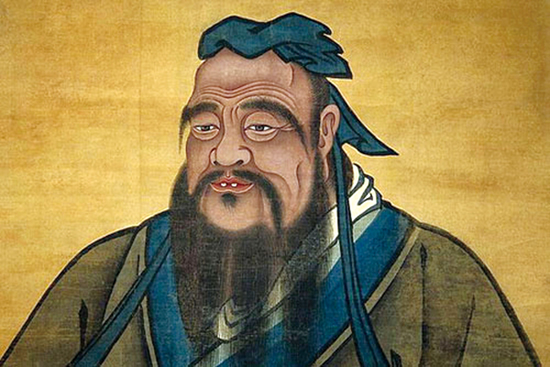
The Inner Archery: A Journey of Self-Reflection
Confucius teaches us that when an archer fails to hit the center of the target, the first step is to turn inward and examine the reasons for that failure. This profound insight emphasizes personal responsibility and self-examination as essential components of growth and mastery. In a world often quick to assign blame externally, Confucius invites us to embrace a more introspective approach, suggesting that true wisdom lies in understanding our own actions and intentions.
This teaching resonates deeply in our contemporary lives, where the pressures of success and perfection can lead us to overlook the importance of self-reflection. The archer's journey is not merely about physical skill but also about cultivating a mindset that values learning from mistakes. By turning inward, we not only enhance our abilities but also foster a deeper connection with our true selves, ultimately leading to a more authentic and fulfilling existence.
The image / the metaphor
The imagery of an archer missing the target evokes a sense of focus and precision, underscoring the importance of intention in our endeavors. The act of turning around symbolizes a shift in perspective, moving from external circumstances to internal contemplation. The verbs chosen—“misses,” “turns,” and “seeks”—suggest a dynamic process of engagement with oneself, highlighting that failure is not an endpoint but rather a catalyst for deeper inquiry.
In the speaker's tradition
Within the tradition of Confucianism, this teaching aligns with the concept of self-cultivation, which emphasizes the importance of personal responsibility and moral development. Just as the archer must hone their skills through practice and reflection, individuals are encouraged to engage in a lifelong journey of self-improvement. This notion resonates with the idea of *ren*, or humaneness, which calls for a deep understanding of oneself and one's relationships with others.
In the *Doctrine of the Mean*, Confucius elaborates on the balance between action and reflection, suggesting that true wisdom arises from harmonizing our inner and outer worlds. This echoes the Buddhist concept of *prajna*, or wisdom, which also emphasizes the importance of self-awareness in the pursuit of enlightenment. Both traditions remind us that the path to mastery is not solely about external achievements but also about the inner work of understanding our own hearts and minds.
Living the teaching
Consider a modern scenario where an employee misses a crucial deadline at work. Instead of blaming external factors such as a heavy workload or lack of support, the individual reflects on their own time management skills and prioritization. This moment of introspection can lead to actionable insights, such as adopting new organizational strategies or seeking help when needed. By taking responsibility for their role in the situation, the employee not only improves their performance but also fosters a culture of accountability within their team.
In a different context, imagine a relationship where misunderstandings frequently arise. Instead of pointing fingers and assigning blame, both partners could benefit from turning inward to examine their own communication styles and emotional triggers. This practice of self-reflection can lead to more compassionate interactions, as each person learns to express their needs and feelings more clearly. By embracing the teaching of Confucius, they cultivate a deeper understanding of themselves and each other, ultimately strengthening their bond.
A reflection
As we contemplate the wisdom of Confucius, we are invited to ask ourselves: What can I learn from my recent failures, and how can this understanding guide my future actions? This question encourages us to engage in a practice of self-reflection, allowing us to transform setbacks into stepping stones on our journey toward personal growth. By embracing this contemplative inquiry, we honor the spirit of the archer, continually refining our aim as we navigate the complexities of life.



