The Expansive Heart: Embracing the Virtue of Enlargement
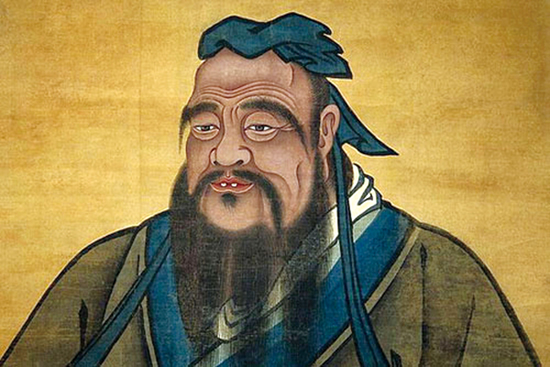
In the words of Confucius, "Wishing to be enlarged himself, he seeks also to enlarge others." This profound statement encapsulates the essence of self-improvement intertwined with altruism. It suggests that the journey toward personal growth is not a solitary endeavor; rather, it flourishes in the context of community and mutual upliftment. The stakes are high: to truly expand one's own virtues, one must engage in the sacred act of nurturing the virtues of others. This interconnectedness is not merely a philosophical ideal but a practical necessity for a harmonious society.
Delving deeper, we find that this quote speaks to the heart of Confucian ethics, where the cultivation of virtue is paramount. The notion of "enlargement" implies a dynamic process of growth that transcends the individual. It invites us to consider how our personal aspirations can be harmonized with the well-being of those around us. In a world often marked by competition and isolation, Confucius offers a radical alternative: the path of mutual enhancement, where the flourishing of one becomes the flourishing of all. This perspective challenges us to reflect on our motivations and the impact of our actions on the collective.
The image / the metaphor
At its core, the quote evokes a vivid image of expansion and growth. The verb "seeks" suggests an active pursuit, a conscious effort to reach beyond oneself. The term "enlarged" carries with it a sense of fullness and abundance, hinting at the richness that comes from both personal development and the nurturing of others. This imagery resonates deeply, as it paints a picture of a garden where each plant thrives not in isolation but as part of a vibrant ecosystem. The act of enlarging oneself is not a selfish endeavor; it is an invitation to cultivate a space where others can also flourish.
Going deeper, the metaphor of enlargement can be understood as a call to cultivate virtues such as compassion, wisdom, and integrity. When one seeks to enlarge oneself, it is not merely about acquiring knowledge or status; it is about embodying qualities that inspire and uplift others. This reciprocal relationship between self and community reflects the interconnectedness of human experience, where individual growth is inextricably linked to the growth of others. Thus, the act of seeking one's own enlargement becomes a sacred duty to foster the potential in those around us.
In the speaker's tradition
Within the rich tapestry of Confucianism, this quote resonates with several key concepts, including ren (benevolence) and li (ritual propriety). Ren emphasizes the importance of compassion and empathy in human relationships, suggesting that true virtue is realized through our interactions with others. Similarly, the practice of li encourages individuals to engage in rituals that promote social harmony and mutual respect. Together, these principles underscore the idea that personal growth is not an isolated journey but a communal endeavor, where the cultivation of virtue is a shared responsibility.
Moreover, this teaching finds echoes in other philosophical traditions. For instance, the Buddhist concept of bodhicitta, or the "mind of enlightenment," emphasizes the aspiration to attain enlightenment not just for oneself but for the benefit of all beings. This parallel highlights a universal truth: the journey toward personal fulfillment is most profound when it is rooted in the desire to uplift others. In this light, Confucius's words serve as a reminder that the path to virtue is inherently relational, inviting us to engage with the world in a spirit of generosity and compassion.
Living the teaching
Consider a modern scenario where this teaching can take root: a workplace environment where collaboration is essential. Imagine a team member who, in their pursuit of professional growth, actively seeks to mentor others. By sharing knowledge and providing support, they not only enhance their own skills but also contribute to the collective success of the team. This dynamic illustrates how the desire for personal enlargement can manifest in tangible ways, fostering a culture of mutual respect and shared achievement. In such an environment, the boundaries between individual and collective aspirations blur, creating a space where everyone can thrive.
Another application of this teaching can be found in personal relationships. Picture a friendship where one person is going through a difficult time. By offering emotional support and encouragement, the other person embodies the spirit of enlargement that Confucius advocates. This act of kindness not only helps the friend heal but also enriches the giver's own sense of purpose and connection. In moments of challenge, the practice of seeking to enlarge others can transform relationships, fostering deeper bonds and a shared sense of resilience. It is in these everyday interactions that the profound wisdom of Confucius comes to life, reminding us that our journeys are intertwined.
A reflection
As we contemplate the wisdom of Confucius, we are invited to reflect on our own lives: How do we seek to enlarge ourselves, and in what ways do we actively contribute to the enlargement of others? This question encourages us to examine our motivations and actions, prompting a deeper understanding of our interconnectedness. In a world that often emphasizes individual achievement, Confucius's teaching serves as a gentle reminder that true fulfillment lies in the relationships we cultivate and the virtues we share. As we navigate our paths, may we embrace the challenge of mutual enhancement, allowing our growth to be a source of light for those around us.



