The Harmony of Letters and Music: A Path to Enriched Living
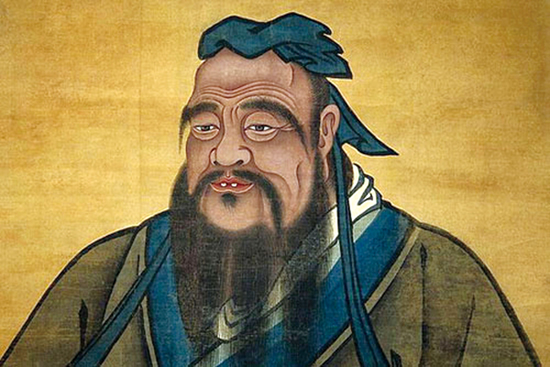
Confucius once remarked, "Without a true friendship of letters and music, life is dull." This poignant statement underscores the essential role that art and companionship play in enriching our human experience. In a world often overshadowed by the mundane, the cultivation of meaningful relationships and the appreciation of artistic expression become vital to living a fulfilling life. The interplay of letters—representing literature, philosophy, and communication—and music, symbolizing emotional resonance and creativity, invites us to explore the depths of our existence.
To grasp the weight of Confucius's words, we must consider the profound connection between culture and personal relationships. The "true friendship" he speaks of is not merely a casual acquaintance but a deep bond forged through shared experiences, intellectual engagement, and emotional understanding. In this light, letters and music serve as conduits for connection, allowing us to transcend the superficiality of everyday interactions and engage with one another on a more profound level. This exploration of friendship through the arts reveals a pathway to a richer, more vibrant life.
The image / the metaphor
At first glance, the imagery in Confucius's quote evokes a sense of companionship and creativity. The term "friendship of letters and music" conjures visions of gatherings where ideas flow freely, and melodies intertwine, creating a tapestry of shared experiences. The verbs "friendship" and "dull" contrast sharply, suggesting that without the vibrancy of art and meaningful relationships, life can become monotonous and uninspired. This metaphorical landscape invites us to envision a life where creativity and connection are not merely accessories but essential components of our existence.
Diving deeper into the metaphor, we can see that "letters" and "music" represent more than just written words and melodies; they embody the essence of human expression. Letters symbolize the intellectual pursuits that shape our understanding of the world, while music captures the emotional nuances that words often fail to convey. Together, they create a harmonious balance that enriches our lives. The absence of this friendship leaves us in a state of emotional and intellectual deprivation, highlighting the importance of nurturing these connections to cultivate a life filled with meaning and joy.
In the speaker's tradition
Confucius's philosophy is deeply rooted in the importance of relationships and the cultivation of virtue, often encapsulated in the concept of "ren," or humaneness. This notion emphasizes the interconnectedness of individuals within a community, where the arts serve as a bridge to foster understanding and empathy. In this context, the friendship of letters and music aligns with the Confucian ideal of harmonious living, where personal development and social responsibility are intertwined. Just as "dharma" in Buddhism emphasizes the moral path, Confucianism advocates for the cultivation of virtues through meaningful relationships and cultural engagement.
In the "Analects," Confucius frequently underscores the significance of education and the arts in shaping character. For instance, he states, "Is it not a joy to have friends come from afar?" (Analects 1.1), suggesting that the joy of companionship is enhanced through shared intellectual and artistic pursuits. This connection between friendship and the arts is a recurring theme in Confucian thought, reinforcing the idea that a life enriched by letters and music is a life well-lived.
Living the teaching
Imagine a modern scenario where a group of friends gathers for a book club, sharing insights and interpretations of a novel that resonates with their lives. As they discuss the themes and characters, they weave their personal experiences into the conversation, creating a rich tapestry of understanding and connection. The laughter, the debates, and the shared moments of silence as they reflect on poignant passages illustrate the essence of Confucius's teaching. In this space, letters become a medium for deepening friendships, transforming the act of reading into a communal experience that enriches their lives.
Consider another application of this teaching in a relationship where one partner is feeling overwhelmed by the stresses of daily life. Instead of offering mere platitudes, the other partner might suggest listening to music together or attending a concert, allowing the emotional resonance of the music to create a shared experience that fosters connection. In this moment, the friendship of music becomes a healing balm, reminding them of the beauty that exists even amidst life's challenges. Such practices not only strengthen their bond but also serve as a reminder of the importance of nurturing the arts in our relationships.
A reflection
As we contemplate Confucius's assertion, we are invited to reflect on the role of art and friendship in our own lives. How do we cultivate meaningful connections through the arts, and in what ways do these relationships enrich our experiences? Consider the friendships that have shaped your understanding of the world and the creative expressions that have resonated with your spirit. In this exploration, we may find pathways to deeper connections and a more vibrant existence, echoing the wisdom of Confucius.



