The Liberation of Forgiveness: A Journey Within
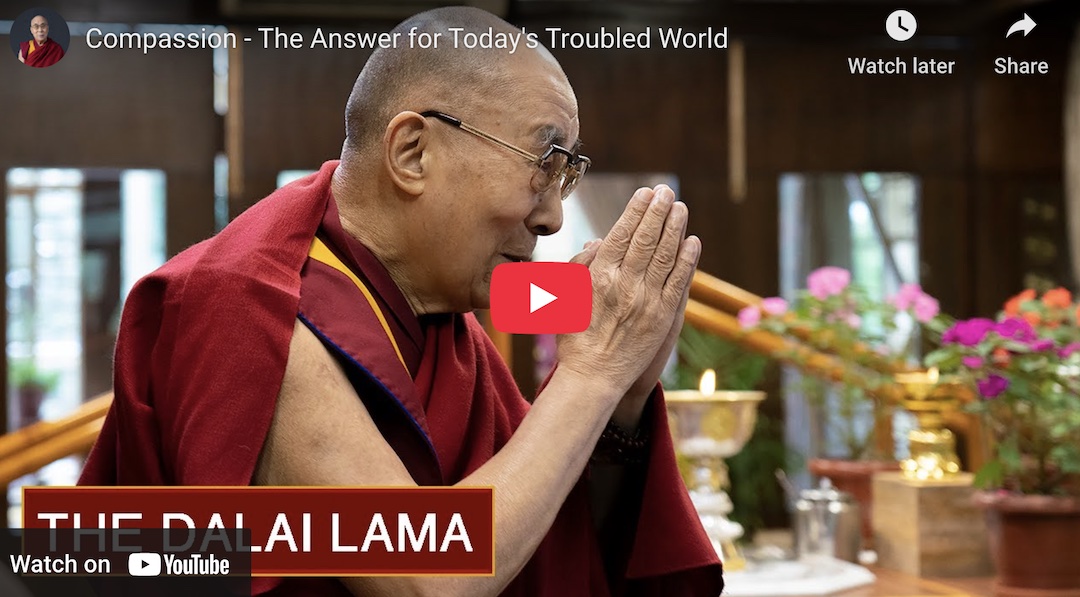
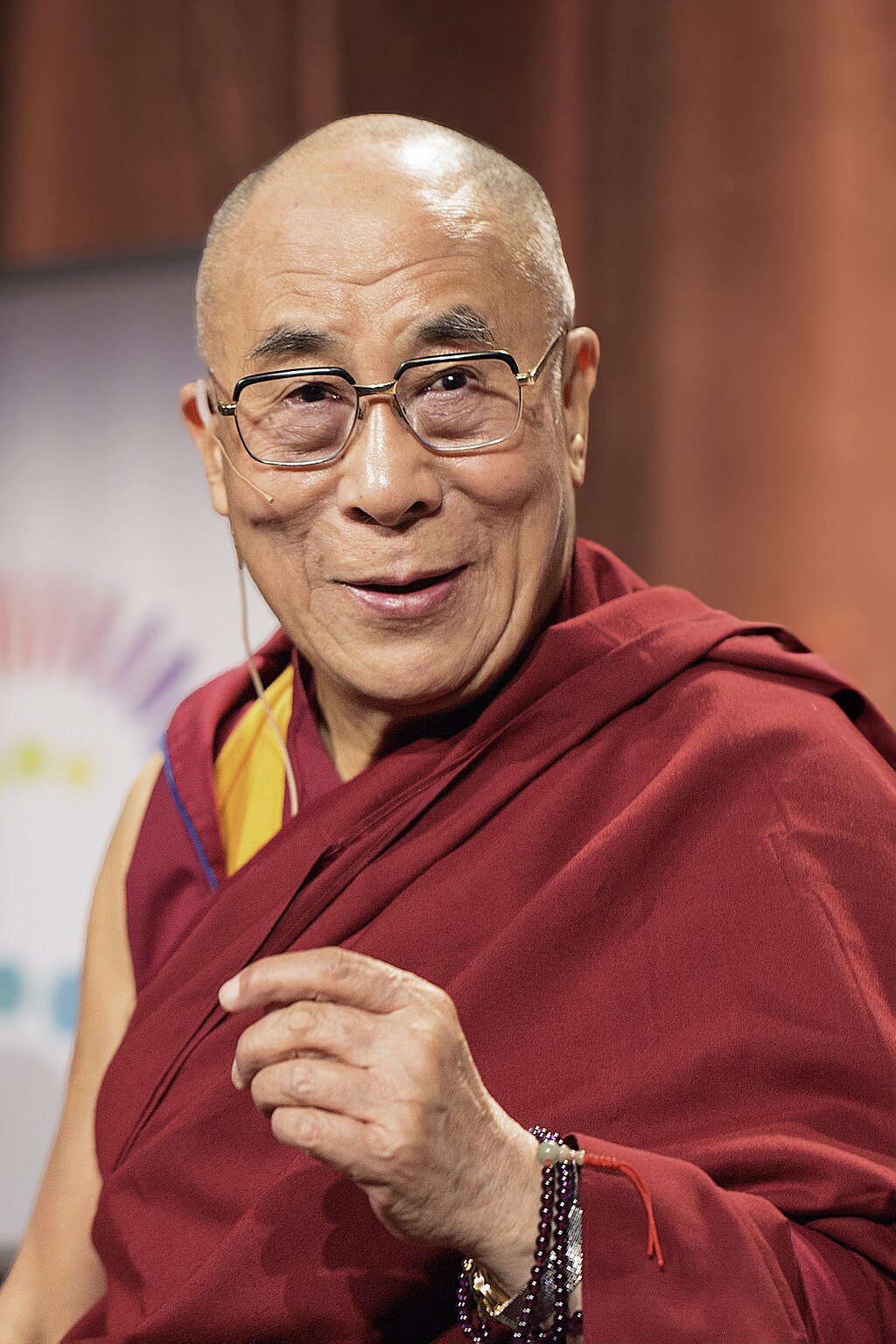
In the profound words of the Dalai Lama, "Forgiveness is not for them. Forgiveness is for you." This statement encapsulates a powerful truth about the nature of forgiveness, suggesting that its primary beneficiary is not the one who has wronged us, but rather ourselves. The stakes of this realization are high; it invites us to reconsider our emotional burdens and the chains of resentment that we often carry. By understanding forgiveness as a personal act of liberation, we open the door to healing and inner peace.
Forgiveness, in this context, becomes a transformative process that allows us to reclaim our emotional well-being. It is not merely an act of absolution for others but a conscious choice to release ourselves from the grip of anger and hurt. This perspective shifts the focus from the external to the internal, emphasizing that our emotional landscape is shaped by our responses to others' actions. In recognizing that forgiveness is a gift we give ourselves, we begin to understand its profound implications for our spiritual and emotional growth.
The image / the metaphor
The imagery in the Dalai Lama's quote evokes a sense of personal agency and empowerment. The verbs "forgive" and "is" suggest a dynamic process, one that is active and intentional. To forgive is to engage in a conscious act that liberates us from the emotional shackles of resentment. The phrase "not for them" starkly delineates the boundaries of our emotional responsibility, reminding us that the act of forgiveness is a personal journey rather than a transactional exchange with others.
Diving deeper into the metaphor, we can see forgiveness as a form of self-care, akin to shedding a heavy cloak that no longer serves us. This shedding is not an easy task; it requires courage and vulnerability. Yet, the act of letting go can be likened to a cleansing rain that washes away the debris of past grievances, allowing us to emerge renewed. In this light, forgiveness becomes a sacred act of self-liberation, a pathway to reclaiming our joy and peace.
In the speaker's tradition
Within the rich tapestry of Tibetan Buddhism, the concept of forgiveness is intricately woven into the fabric of compassion and wisdom. The Dalai Lama often speaks of "bodhicitta," the awakened heart that seeks the enlightenment of all beings. This notion aligns closely with the idea that forgiveness is not merely a personal endeavor but a compassionate act that contributes to the collective well-being. In this tradition, the practice of "kenosis," or self-emptying, further emphasizes the importance of letting go of ego-driven grievances to cultivate a deeper sense of connection to others.
Moreover, the teachings found in texts such as the "Bodhisattva's Way of Life" by Shantideva resonate with this theme. Shantideva encourages practitioners to cultivate patience and understanding in the face of harm, illustrating that the path to enlightenment is paved with acts of forgiveness and compassion. This perspective reinforces the Dalai Lama's assertion that forgiveness is ultimately a gift we give ourselves, allowing us to transcend suffering and embrace a more expansive view of our interconnectedness.
Living the teaching
Consider a modern scenario where this teaching can be applied: a workplace conflict where a colleague has undermined your efforts. The initial reaction might be one of anger and resentment, leading to a toxic atmosphere that affects not only your productivity but also your mental health. By choosing to forgive, you reclaim your emotional space, allowing yourself to move forward without the weight of bitterness. This act of forgiveness can transform the workplace dynamic, fostering a more collaborative and supportive environment.
In a different context, imagine a personal relationship strained by past grievances. The act of forgiveness here may involve confronting painful memories and choosing to release them, not for the sake of the other person, but for your own peace of mind. This process can be challenging, yet it opens the door to deeper intimacy and understanding. By embracing forgiveness, you create a fertile ground for healing, allowing love and connection to flourish in the space once occupied by hurt and resentment.
A reflection
As we contemplate the Dalai Lama's words, we are invited to explore the nature of our own emotional burdens. What grievances are we holding onto that may be weighing us down? In what ways can we begin to practice forgiveness as a means of liberating ourselves from the past? These questions serve as a gentle reminder that the journey of forgiveness is not just about others; it is a profound act of self-care and an essential step toward our own spiritual liberation.