The Heart of Compassion: A Call to Ethical Living
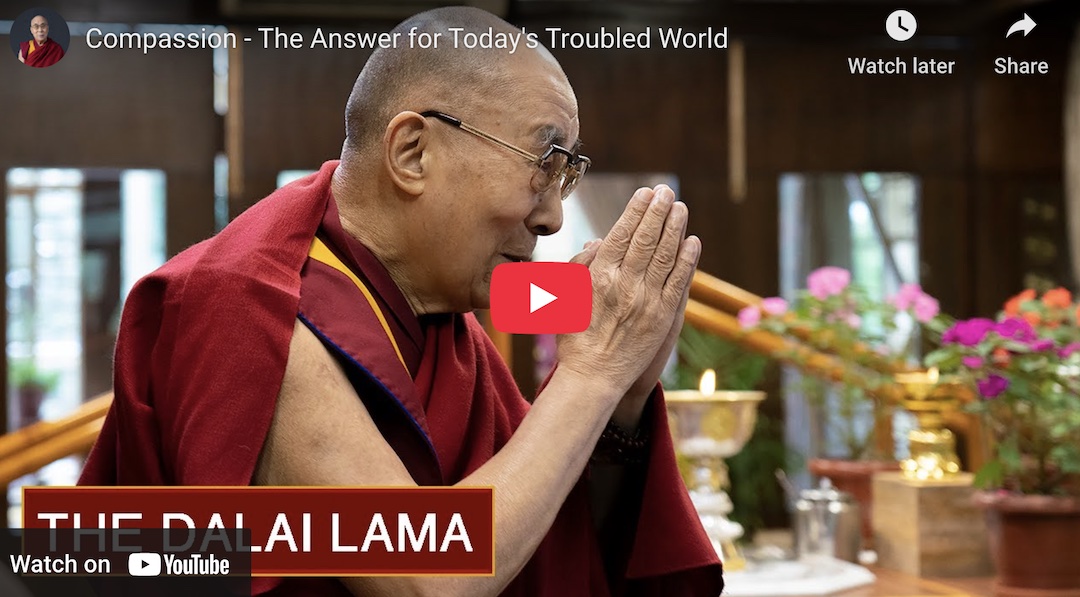
In the words of the Dalai Lama, "If you can, help others. If you cannot do that, at least do not harm them." This profound statement encapsulates a fundamental ethical principle that transcends cultural and spiritual boundaries. It invites us to engage in a compassionate life, urging us to actively contribute to the well-being of others while also recognizing our limitations. The stakes are high; our actions, or inactions, ripple through the fabric of our communities and the world at large, shaping the collective experience of suffering and joy.
At its core, this quote challenges us to reflect on our moral responsibilities in a world that often feels fragmented and chaotic. It emphasizes that the essence of ethical living lies not only in our capacity to offer help but also in our conscious choice to refrain from causing harm. In a time when divisiveness and conflict are prevalent, the Dalai Lama's words serve as a gentle reminder of the power of compassion and the importance of ethical mindfulness in our daily interactions.
The image / the metaphor
The imagery in the Dalai Lama's quote is strikingly simple yet deeply evocative. The verbs "help" and "harm" encapsulate the duality of human action, presenting a clear dichotomy between positive engagement and negative impact. To help is to extend oneself towards another, to reach out with kindness and support, while to harm is to withdraw or act in ways that inflict pain or suffering. This duality invites a felt sense of responsibility, urging us to consider the consequences of our actions on others.
Diving deeper into the metaphor, we can see that the quote not only addresses direct actions but also implies a broader ethical framework. The act of helping is not merely about grand gestures; it can be found in the small, everyday choices we make. Conversely, the admonition against harm serves as a powerful reminder that inaction can also perpetuate suffering. Thus, the quote invites us to cultivate an awareness of our impact on the world, encouraging a life lived with intention and care.
In the speaker's tradition
Within the rich tapestry of Tibetan Buddhism, the Dalai Lama's quote resonates profoundly with the concept of *karuna*, or compassion. This ethical principle is central to the Buddhist path, emphasizing the importance of alleviating the suffering of others as a means of spiritual growth. The idea of *sunyata*, or emptiness, further enriches this teaching, suggesting that our actions are interconnected and that our sense of self is deeply entwined with the well-being of others. In this light, the Dalai Lama's words become a call to recognize our shared humanity and the ethical implications of our choices.
Moreover, the notion of *dharma*, or the moral law that governs individual conduct, aligns seamlessly with this teaching. The *Dhammapada*, a key text in Buddhist literature, echoes similar sentiments, urging practitioners to cultivate a mind free from harm and filled with compassion. The teachings of the Buddha emphasize that ethical living is not merely a set of rules but a way of being that fosters harmony and understanding in the world.
Living the teaching
Consider a modern scenario where this teaching can be applied: a workplace environment rife with competition and stress. In such a setting, one might feel overwhelmed by personal ambitions and the drive to succeed. However, the Dalai Lama's guidance encourages individuals to extend their support to colleagues, fostering a culture of collaboration rather than rivalry. By choosing to help others, even in small ways, we can transform the workplace into a space of mutual respect and encouragement, ultimately benefiting everyone involved.
This teaching can also manifest in our personal relationships. Imagine a moment of conflict with a loved one, where the temptation to retaliate or withdraw is strong. The Dalai Lama's words remind us that even if we cannot find a way to help in that moment, we can choose not to harm. This choice to refrain from negative actions—whether through harsh words or emotional withdrawal—can pave the way for healing and understanding. By embodying this principle, we cultivate a space for compassion and growth, allowing relationships to flourish even amidst challenges.
A reflection
As we contemplate the essence of the Dalai Lama's quote, we are invited to reflect on our own lives: How can we actively contribute to the well-being of those around us? In what ways can we ensure that our actions align with the principles of compassion and ethical mindfulness? This inquiry encourages us to examine our daily choices and interactions, fostering a deeper understanding of our role in the interconnected web of life.