Embracing the Collective: The Heart of Compassion
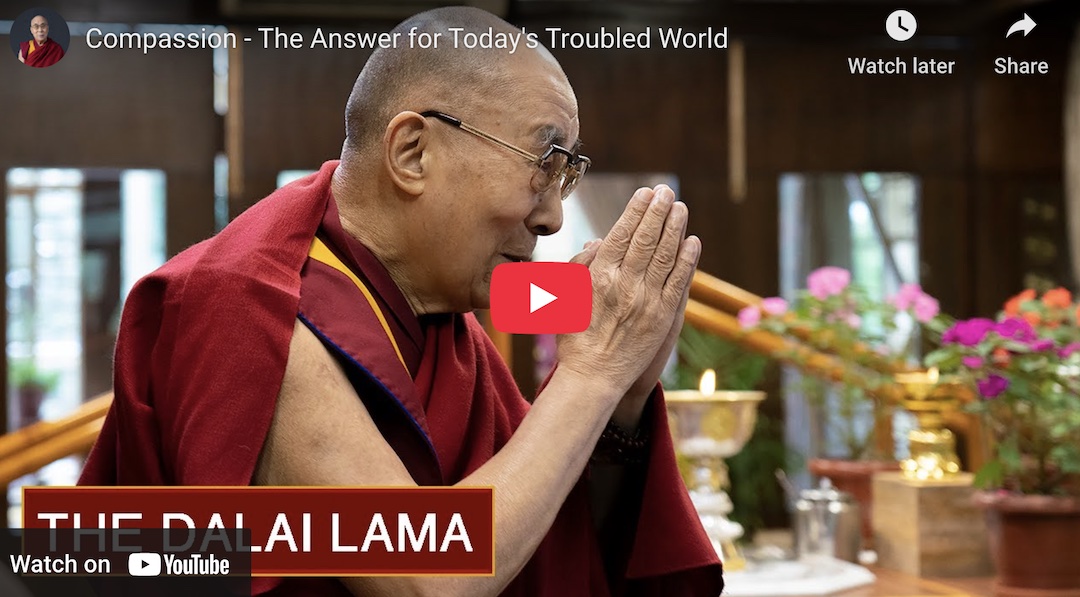
In the words of the Dalai Lama, "In our daily lives, we should consider the welfare of others as much as our own." This profound statement invites us to reflect on the interconnectedness of our existence and the ethical responsibility we hold towards one another. In a world often dominated by individualism and self-interest, this teaching serves as a gentle reminder that our well-being is intrinsically linked to the well-being of others. The stakes are high; neglecting this principle can lead to a society rife with suffering, isolation, and disconnection.
To deepen our understanding, we must recognize that this quote is not merely a call for altruism but a fundamental aspect of the human experience. The Dalai Lama emphasizes a balance between self-care and the care of others, suggesting that true fulfillment arises when we extend our compassion beyond our own needs. This perspective challenges us to cultivate a sense of empathy and responsibility, urging us to see ourselves as part of a larger tapestry of life, where each thread contributes to the overall strength and beauty of the whole.
The image / the metaphor
At its core, the quote evokes a vivid image of balance, akin to a scale delicately poised between two weights. The verbs "consider" and "welfare" are particularly striking; they imply a thoughtful engagement with the lives of others, urging us to actively reflect on their needs and struggles. The felt sense of this teaching is one of warmth and inclusivity, inviting us to step outside our own experiences and recognize the shared humanity that binds us all. It is a call to action, a reminder that our choices ripple outward, affecting those around us.
Diving deeper into the metaphor, we can envision a garden where each plant thrives not in isolation but in harmony with its neighbors. Just as a gardener tends to the needs of each flower, ensuring they receive sunlight, water, and space to grow, so too must we nurture the welfare of others alongside our own. This interconnectedness suggests that our personal growth is inextricably linked to the flourishing of our community, reinforcing the idea that compassion is not a finite resource but a boundless wellspring that enriches us all.
In the speaker's tradition
Within the rich tapestry of Tibetan Buddhism, the Dalai Lama's teaching resonates deeply with the concept of "bodhicitta," the awakened mind that aspires to attain enlightenment for the sake of all sentient beings. This notion encapsulates the essence of altruism, where one's own liberation is intertwined with the liberation of others. The practice of cultivating bodhicitta encourages us to expand our hearts and minds, fostering a sense of responsibility towards the welfare of others as a pathway to our own spiritual growth.
Moreover, this teaching aligns with the principle of "sunyata," or emptiness, which suggests that our identities and experiences are not fixed but rather fluid and interdependent. By recognizing the emptiness of our self-centered desires, we can cultivate a more profound sense of connection with others. In the context of the Dalai Lama's teachings, this understanding invites us to transcend the illusion of separateness, allowing compassion to flow freely and abundantly in our lives. A relevant text that echoes this sentiment is "The Heart Sutra," which emphasizes the importance of compassion and wisdom in navigating the complexities of existence.
Living the teaching
Consider a modern scenario where this teaching can be applied: a busy workplace where competition often overshadows collaboration. Imagine a colleague struggling with a heavy workload while you, too, are pressed for time. The Dalai Lama's teaching encourages you to pause and reflect on your colleague's welfare, perhaps offering assistance or a listening ear. By prioritizing their needs alongside your own, you not only alleviate their burden but also foster a sense of camaraderie and support that enhances the overall work environment.
In a different context, think about a personal relationship that has become strained due to misunderstandings or unmet expectations. Applying the Dalai Lama's wisdom here means actively considering your partner's feelings and perspectives, striving to understand their needs as much as your own. This practice of empathy can transform conflicts into opportunities for growth, deepening the bond between you and your loved one. By embracing this teaching, we create spaces of healing and connection, allowing love and understanding to flourish.
A reflection
As we contemplate the Dalai Lama's words, we are invited to ask ourselves: How can I cultivate a deeper awareness of the welfare of others in my daily life? This question encourages us to reflect on our actions and choices, prompting us to seek opportunities for compassion and connection. By engaging with this inquiry, we can begin to weave the threads of our lives into a more compassionate tapestry, enriching not only our own existence but also the lives of those around us.