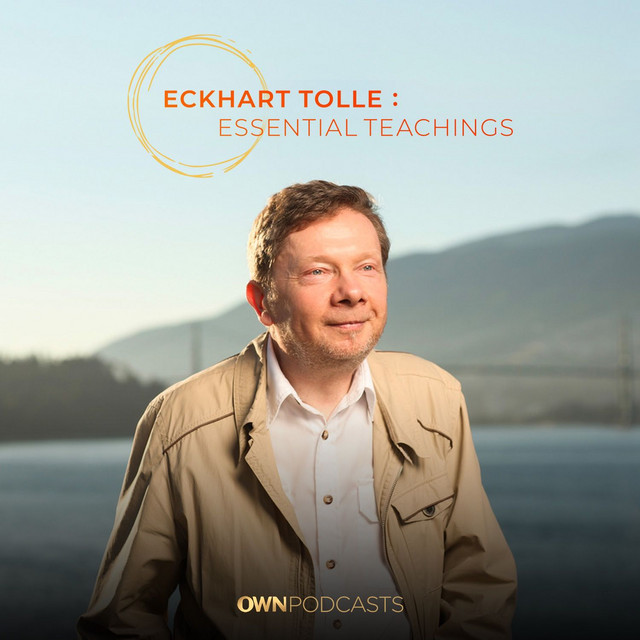
The Alchemy of Thought and Emotion
Eckhart Tolle's assertion that "what you think, to a large extent, creates the emotions that you feel" invites us to explore the profound interplay between our thoughts and our emotional landscape. This statement underscores the significance of awareness in our daily lives, suggesting that our mental narratives shape not only our perceptions but also our emotional realities. Understanding this connection is crucial, as it empowers us to take responsibility for our inner experiences and cultivate a more harmonious existence.
In a world often dominated by external stimuli and distractions, Tolle's insight serves as a gentle reminder of the power we hold within ourselves. By recognizing that our thoughts can either uplift or diminish our emotional well-being, we are encouraged to cultivate a deeper awareness of our mental processes. This awareness is not merely an intellectual exercise; it is a transformative practice that can lead us toward greater peace and fulfillment.
The image / the metaphor
The imagery in Tolle's quote evokes a sense of agency and responsibility. The phrase "what you think" suggests a dynamic process, where thoughts are not static entities but rather active forces that shape our emotional experiences. The verb "creates" implies a creative power inherent in our thinking, highlighting the notion that our inner dialogue can construct or deconstruct our emotional states. This metaphorical landscape invites us to visualize our thoughts as the architects of our emotional architecture.
In the speaker's tradition
Tolle's teachings are deeply rooted in the non-dual tradition, which emphasizes the interconnectedness of all aspects of existence. Concepts such as awareness and presence are central to this tradition, echoing the teachings found in various spiritual paths, including Buddhism and Advaita Vedanta. The idea that our thoughts shape our emotions aligns with the Buddhist principle of "right thinking," which encourages practitioners to cultivate thoughts that lead to liberation rather than suffering.
In his seminal work, "A New Earth," Tolle draws upon the notion of "ego" as a construct that distorts our perception of reality. This distortion often leads to negative emotional states, reinforcing the importance of mindfulness and self-awareness. By recognizing the ego's influence on our thoughts, we can begin to dismantle its hold over our emotional lives, moving toward a state of clarity and peace that is inherent in our true nature.
Living the teaching
Consider a modern scenario where this teaching resonates: a person facing a challenging work environment may find themselves overwhelmed by stress and anxiety. In such a situation, the individual might notice that their thoughts are fixated on negative outcomes, leading to feelings of dread and inadequacy. By applying Tolle's insight, they can consciously shift their thinking, focusing instead on constructive solutions and positive affirmations. This shift not only alleviates emotional distress but also enhances their overall performance and well-being.
In the context of relationships, Tolle's teaching can be particularly illuminating. Imagine a couple navigating a difficult conversation; one partner may feel hurt and defensive due to their thoughts about the other's intentions. By recognizing that these thoughts are shaping their emotional responses, they can choose to approach the dialogue with curiosity and openness instead of judgment. This conscious choice fosters a deeper connection and understanding, transforming the emotional landscape of their interaction.
A reflection
As we contemplate Tolle's assertion, we are invited to reflect on the nature of our own thoughts and their impact on our emotions. What narratives do we perpetuate within ourselves, and how do they shape our emotional experiences? By engaging with this question, we can begin to cultivate a more mindful approach to our inner dialogue, ultimately leading to a more harmonious and fulfilling life.