The Strength of Surrender: A Path to Inner Peace
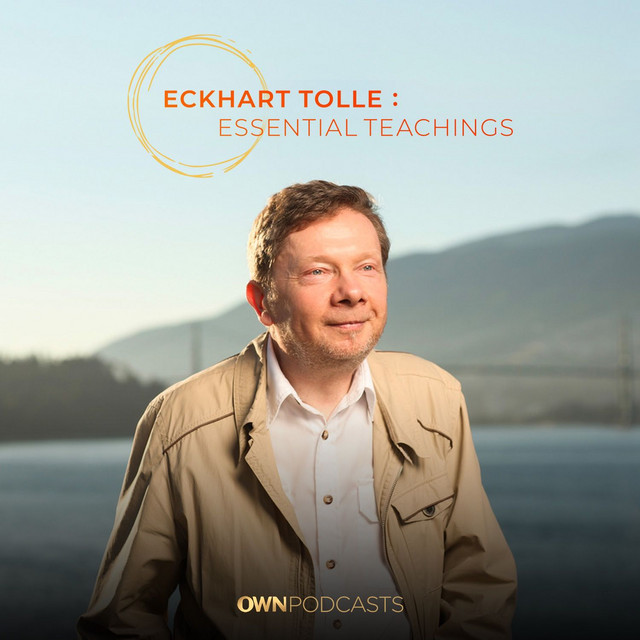
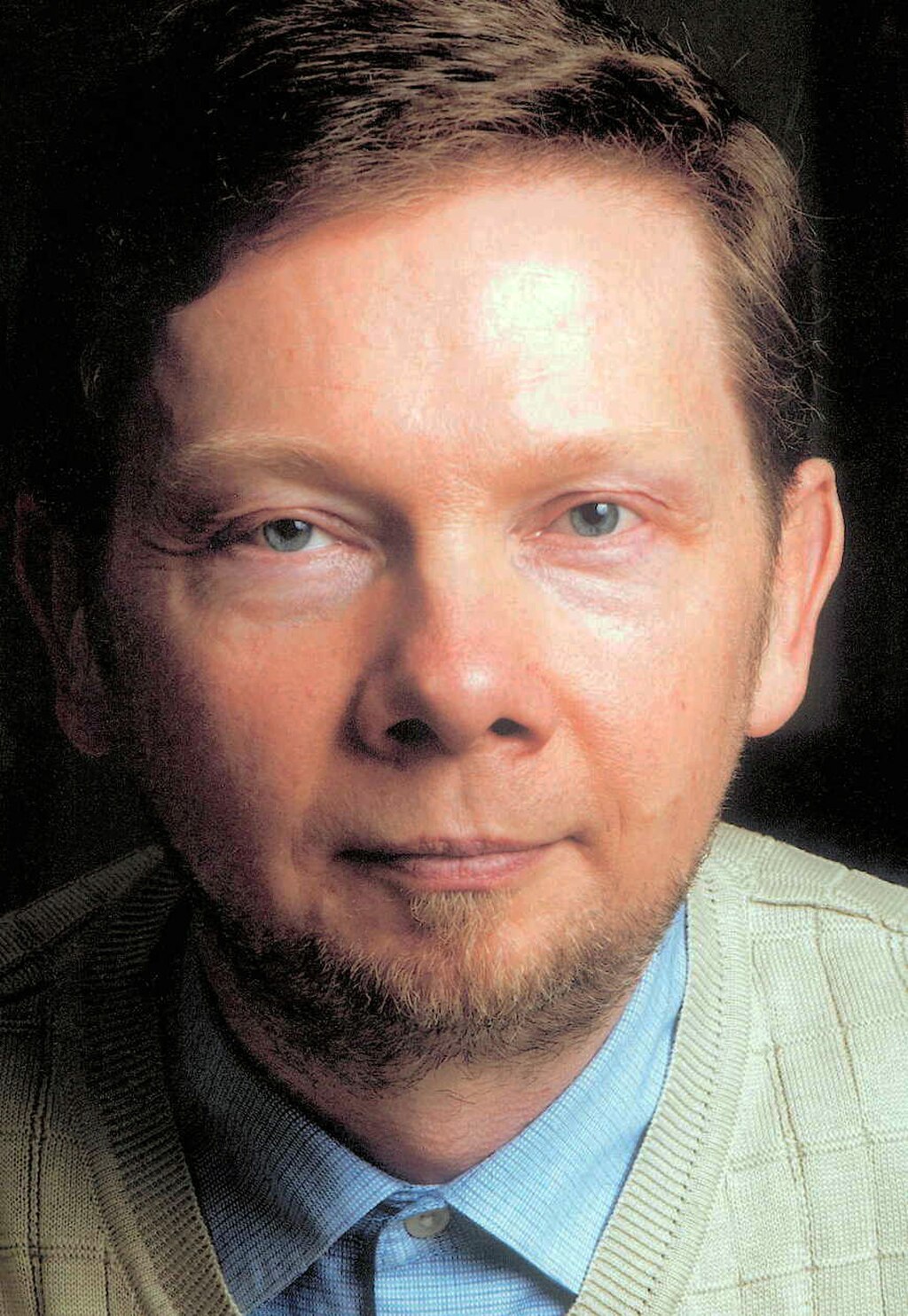
Eckhart Tolle's assertion that "surrender is not weakness; it is the highest form of strength" invites us to reconsider our understanding of power and vulnerability. In a world that often equates strength with control and resistance, Tolle's perspective challenges us to embrace a different kind of strength—one rooted in acceptance and presence. This shift in perception is not merely philosophical; it has profound implications for how we navigate the complexities of life, relationships, and our inner landscapes.
To surrender, as Tolle suggests, is to let go of the incessant need to fight against the currents of existence. It is an invitation to find peace in the midst of chaos, to trust in the unfolding of life rather than clinging to rigid expectations. This understanding of surrender as strength is crucial, especially in times of uncertainty and turmoil, where the instinct to resist can often lead to greater suffering. By exploring this concept, we can uncover the transformative potential that lies in embracing our circumstances with an open heart.
The image / the metaphor
The imagery of surrender evokes a sense of yielding, a gentle release of the grip we often maintain on our lives. The verbs "surrender" and "strength" create a juxtaposition that compels us to rethink our definitions of both terms. Surrendering does not imply defeat; rather, it suggests a conscious choice to relinquish control, to trust the process of life. This act can feel like a softening, a melting away of the rigid defenses we build around ourselves, allowing for a more fluid engagement with the world.
Diving deeper into the metaphor, we can envision surrender as a river flowing effortlessly around obstacles rather than crashing against them. This fluidity embodies strength, as it requires a deep trust in the natural course of life. The river does not resist the rocks; instead, it adapts and continues on its journey. In this way, surrender becomes a dynamic interplay between acceptance and action, where true strength lies not in force but in the ability to navigate life's challenges with grace and resilience.
In the speaker's tradition
Eckhart Tolle's teachings are deeply rooted in the non-dual tradition, which emphasizes the interconnectedness of all existence and the illusion of separateness. Concepts such as *sunyata* (emptiness) and *fana* (annihilation of the self) resonate with the idea of surrendering the ego's demands. In this context, surrender is not a passive act but a profound realization of our inherent unity with the universe, allowing us to transcend the limitations imposed by our individual identities.
In Tolle's seminal work, *The Power of Now*, he articulates the importance of being present and embracing the moment without resistance. This aligns with the Buddhist concept of *dharma*, which encourages living in accordance with the natural order of things. By surrendering to the present moment, we align ourselves with the flow of life, discovering a deeper sense of purpose and connection that transcends our personal struggles.
Living the teaching
Consider a modern scenario where the teaching of surrender manifests: a professional facing overwhelming stress at work. The instinct may be to push harder, to fight against the demands and expectations. However, by embracing Tolle's perspective, this individual might choose to surrender to the situation, acknowledging their limitations and seeking support rather than battling alone. This act of surrender can lead to a more balanced approach, fostering collaboration and creativity rather than burnout and resentment.
In the realm of relationships, surrender can play a transformative role as well. Imagine a couple navigating a conflict; the urge to assert one's position often leads to escalation. Yet, if one partner chooses to surrender their need to be right, they open the door to vulnerability and understanding. This act of letting go can create space for deeper connection, allowing both individuals to explore their feelings without the weight of defensiveness. In daily practice, such moments of surrender can cultivate a more compassionate and harmonious relationship.
A reflection
As we contemplate Tolle's assertion that surrender is the highest form of strength, we are invited to reflect on our own lives. In what areas do we cling to control, and how might surrendering to the flow of life bring us greater peace? This question encourages us to explore the delicate balance between action and acceptance, prompting us to consider how we can embody strength through surrender in our daily experiences.