Unraveling the Mind: The Path to True Happiness
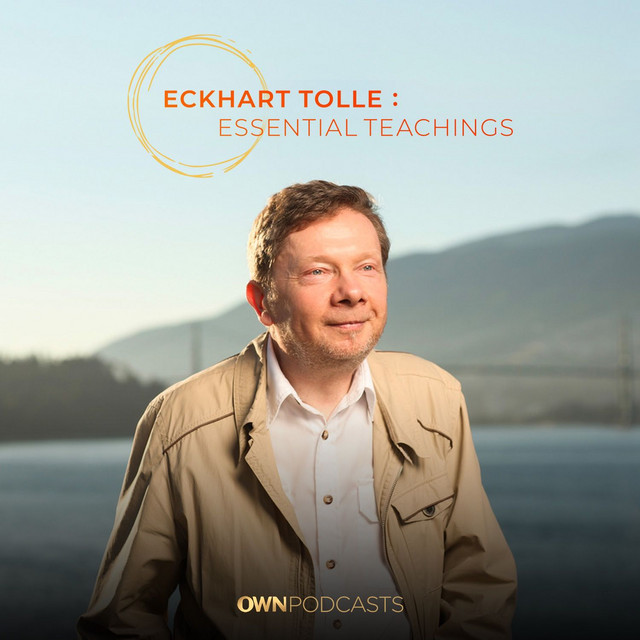
Eckhart Tolle's assertion that "identification with thinking is the source of unhappiness" invites us to explore the profound relationship between our thoughts and our emotional well-being. At its core, this statement challenges the very foundation of how we perceive ourselves and our experiences. In a world where we often equate our thoughts with our identity, Tolle urges us to reconsider this connection, suggesting that our mental narratives can entrap us in cycles of suffering. Understanding this dynamic is crucial for anyone seeking a deeper sense of peace and fulfillment.
As we delve into Tolle's insight, we recognize that the act of thinking itself is not inherently problematic; rather, it is our attachment to those thoughts that leads to distress. This identification creates a false sense of self, one that is often riddled with anxiety, regret, and discontent. By disentangling our sense of self from our thoughts, we open the door to a more expansive experience of being—one that is rooted in presence and awareness rather than the incessant chatter of the mind. This exploration is not merely an intellectual exercise; it is a transformative journey toward liberation and joy.
The image / the metaphor
When Tolle speaks of "identification with thinking," he conjures an image of a person ensnared in a web of their own making. The verbs "identification" and "source" evoke a sense of entrapment and origin, suggesting that our unhappiness springs from a deep-rooted connection to our thoughts. This imagery resonates with the experience of being lost in a storm of mental activity, where clarity is obscured, and the self becomes a mere reflection of transient thoughts. The felt sense of this identification is one of heaviness, as if we are carrying the weight of every thought as part of our identity.
Diving deeper into this metaphor, we can envision the mind as a vast ocean, with thoughts surfacing like waves. When we identify with these waves, we become tossed about, unable to find stability or peace. However, if we learn to observe the waves without becoming entangled in them, we can experience the ocean's depth and stillness beneath. This metaphor illustrates the potential for liberation that lies in recognizing our thoughts as fleeting phenomena rather than fixed aspects of who we are. The journey from identification to observation is one of profound transformation, leading us toward a more serene existence.
In the speaker's tradition
Eckhart Tolle's teachings are deeply rooted in the non-dual tradition, which emphasizes the interconnectedness of all existence and the illusion of separateness. Concepts such as *sunyata* (emptiness) and *fana* (annihilation of the self) resonate with Tolle's assertion, as they highlight the importance of transcending the ego and its incessant need for validation through thought. In this context, identification with thinking is seen as a barrier to realizing our true nature, which is inherently free and unbounded. The non-dual perspective invites us to recognize that our essence is not defined by our thoughts but is instead a vast expanse of awareness.
In Tolle's seminal work, *The Power of Now*, he emphasizes the significance of presence and mindfulness as antidotes to the suffering caused by identification with thought. This aligns with the teachings found in various spiritual traditions, such as Buddhism, which encourages practitioners to cultivate *prajna* (wisdom) through the practice of mindfulness. By observing our thoughts without attachment, we can begin to dismantle the illusion of a separate self and experience the profound peace that arises from being fully present in the moment.
Living the teaching
Consider a modern scenario where this teaching can be applied: imagine a person caught in a cycle of negative self-talk after receiving critical feedback at work. The immediate reaction may be to spiral into self-doubt, identifying with the thoughts that arise—“I am not good enough,” or “I always fail.” In this moment, the individual is experiencing the very unhappiness Tolle describes, as their sense of self becomes entangled with their thoughts. However, if they pause to recognize these thoughts as mere mental events, they can create space for a more compassionate and constructive response, allowing them to learn from the feedback without losing their sense of worth.
In the realm of relationships, this teaching can also manifest powerfully. Picture a couple facing a disagreement, where one partner feels misunderstood and reacts defensively. If each person identifies with their thoughts—believing they are right and the other is wrong—they may become entrenched in conflict. However, by practicing presence and recognizing that their thoughts do not define their relationship, they can approach the situation with openness and empathy. This shift allows for deeper understanding and connection, transforming potential discord into an opportunity for growth and intimacy.
A reflection
As we reflect on Tolle's profound insight, we are invited to consider a contemplative question: In what ways do I identify with my thoughts, and how does this identification shape my experience of happiness? By exploring this question, we can begin to unravel the layers of our mental narratives, fostering a deeper awareness of the distinction between our thoughts and our true selves. This inquiry not only illuminates the path to greater peace but also empowers us to embrace the fullness of our existence beyond the confines of our thinking mind.