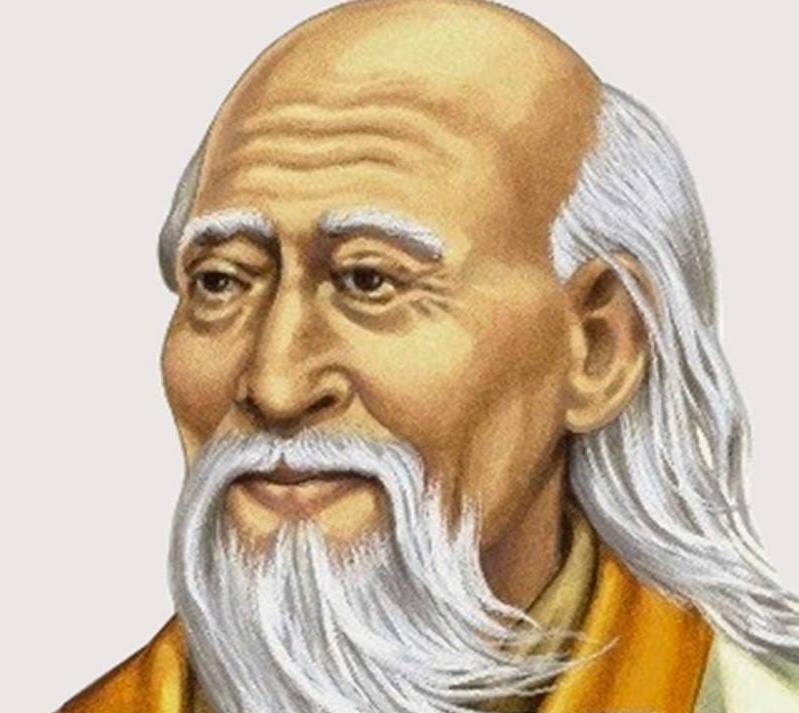
The Freedom of an Open Mind
Lao Tzu's assertion that "a good scientist has freed himself of concepts and keeps his mind open to what is" invites us to consider the profound relationship between knowledge and openness. In a world often dominated by rigid frameworks and preconceived notions, this quote serves as a reminder of the importance of remaining receptive to the unfolding reality around us. The stakes are high; our ability to engage with life authentically hinges on our willingness to let go of fixed ideas and embrace the present moment as it is.
This teaching resonates deeply within the context of both scientific inquiry and spiritual exploration. To "free oneself of concepts" suggests a liberation from the constraints of dogma, whether in the realm of empirical study or personal belief. It encourages a state of presence, where one can observe and experience life without the interference of judgment or expectation. By fostering such openness, we cultivate a deeper understanding of ourselves and the world, allowing for a richer, more nuanced experience of existence.
The image / the metaphor
The imagery in Lao Tzu's quote evokes a sense of liberation and fluidity. The phrase "freed himself of concepts" suggests a shedding of layers, akin to a bird taking flight after being caged. The verbs chosen—"freed" and "keeps"—imply an active engagement with the world, where the scientist, or seeker, is not merely a passive observer but an active participant in the dance of life. This dynamic interplay between freedom and presence invites us to consider how we might also release our own mental constraints.
Diving deeper into the metaphor, we can see that the "good scientist" embodies a spirit of inquiry that transcends mere intellectualism. This openness to "what is" reflects a profound humility, recognizing that reality is often more complex and mysterious than our concepts can capture. In this sense, the metaphor extends beyond the scientific realm, inviting all of us to adopt a mindset of curiosity and wonder, where we approach each moment as a fresh opportunity for discovery.
In the speaker's tradition
Within the tradition of Taoism, Lao Tzu's teaching aligns closely with the concept of "wu wei," or effortless action. This principle encourages individuals to align themselves with the natural flow of life rather than impose their will upon it. By freeing oneself from rigid concepts, one can embody the essence of wu wei, allowing for a more harmonious existence that is in tune with the rhythms of the universe. This openness is also reminiscent of the Buddhist notion of "sunyata," or emptiness, which emphasizes the importance of letting go of attachments to fixed identities and beliefs.
A relevant text that echoes this sentiment is the "Tao Te Ching," where Lao Tzu often speaks of the value of simplicity and the dangers of overthinking. In Chapter 48, he writes, "In the pursuit of knowledge, every day something is added. In the practice of the Tao, every day something is dropped." This highlights the importance of unlearning and simplifying our understanding, reinforcing the idea that true wisdom lies in the ability to remain open and receptive to the present moment.
Living the teaching
Consider a modern scenario where this teaching might resonate: a scientist conducting research in a rapidly evolving field. Faced with new data that contradicts established theories, the ability to "free oneself of concepts" becomes crucial. Instead of clinging to previous assumptions, the scientist must remain open to the unexpected, allowing new insights to emerge. This openness not only enhances the quality of their work but also fosters a deeper connection to the ever-changing landscape of knowledge.
This teaching can also be applied in personal relationships, particularly during moments of conflict. Imagine a disagreement where both parties are entrenched in their viewpoints. By embodying the spirit of Lao Tzu's quote, one might approach the conversation with a willingness to set aside preconceived notions and truly listen to the other person. This openness can lead to a deeper understanding and resolution, transforming the interaction into a space of growth rather than contention.
A reflection
As we contemplate Lao Tzu's wisdom, we are invited to reflect on our own lives: What concepts or beliefs are we clinging to that may be limiting our experience of reality? In what ways can we cultivate a greater sense of openness and presence in our daily lives? By engaging with these questions, we can begin to embody the essence of the "good scientist," embracing the richness of life as it unfolds before us.




Join the BrightStar Community
Stay connected with daily inspiration, event announcements, and community wisdom