The Power of Silence: Finding Center in a Chaotic World
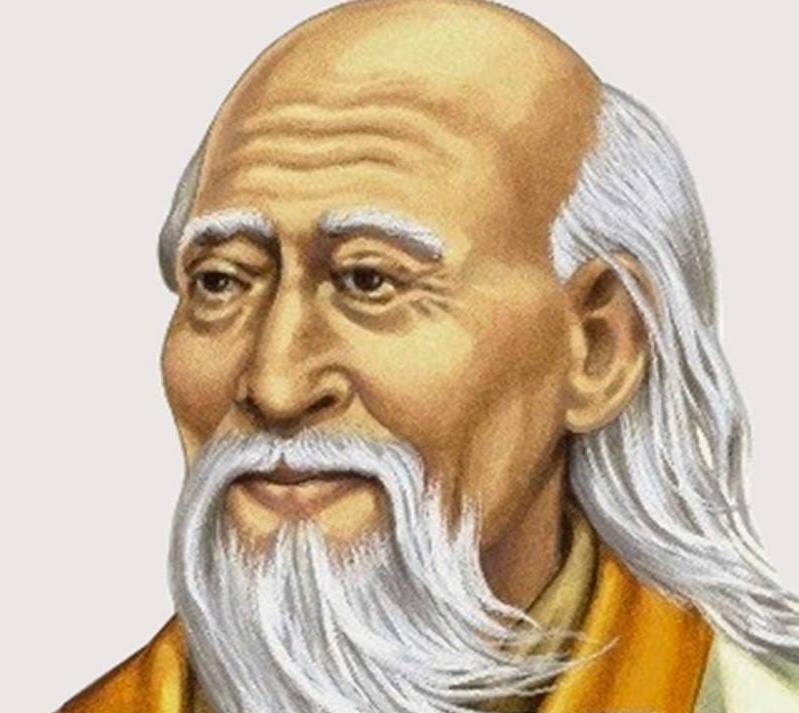
“Better to remain silent and be at the center.” This profound statement by Lao Tzu invites us to consider the value of silence and stillness in a world that often demands noise and action. In a society that equates busyness with productivity and self-worth, Lao Tzu’s wisdom offers a counter-narrative. It suggests that true strength lies not in the clamor of words or the frenetic pace of life, but in the serene embrace of silence, where one can find balance and clarity.
Silence, in this context, is not merely the absence of sound; it is a state of being that allows for introspection and connection with the deeper currents of existence. By remaining silent, we cultivate a space where wisdom can emerge, unencumbered by the distractions of external chaos. This teaching resonates deeply in our contemporary lives, where the incessant chatter of social media and the demands of daily responsibilities can drown out our inner voice. To be at the center, as Lao Tzu suggests, is to anchor ourselves in a place of calm amidst the storm, allowing us to respond to life with clarity and purpose.
The image / the metaphor
The imagery in Lao Tzu's quote evokes a powerful sense of stillness and presence. The phrase "remain silent" conjures an image of a tranquil lake, undisturbed by the winds of external pressures, reflecting the sky above with perfect clarity. The verb "remain" suggests a steadfastness, a commitment to hold one's ground in the face of life's tumult. This silence is not passive; it is an active choice to engage with the world from a place of inner strength and centeredness.
Diving deeper into the metaphor, we can see that silence serves as a fertile ground for wisdom and insight. In the stillness, we can hear the whispers of our intuition and the subtle guidance of our inner self. The center, in this metaphorical landscape, represents a point of equilibrium where we can observe the ebb and flow of life without being swept away by its currents. It is a reminder that true power lies not in loud proclamations or frantic actions, but in the quiet confidence that comes from knowing oneself.
In the speaker's tradition
Lao Tzu's teachings are deeply rooted in the philosophy of Taoism, which emphasizes harmony with the Tao, or the fundamental nature of the universe. Central to this tradition is the concept of wu wei, or "non-action," which encourages individuals to align with the natural flow of life rather than resist it. This idea parallels the notion of silence as a means of finding balance; by stepping back and allowing things to unfold, we can cultivate a deeper understanding of our place within the cosmos.
In the Tao Te Ching, Lao Tzu often contrasts the noisy, chaotic aspects of life with the serene wisdom found in stillness. Chapter 5, from which this quote is drawn, speaks to the idea of the universe being indifferent to human concerns, suggesting that our attempts to control or manipulate our surroundings are often futile. Instead, by embracing silence and remaining centered, we can tap into the profound wisdom that exists beyond our immediate perceptions, echoing the teachings of other spiritual traditions that value stillness, such as the Buddhist concept of sunyata, or emptiness, which invites us to let go of attachments and find peace in the present moment.
Living the teaching
Consider a modern scenario where this teaching can be applied: a workplace meeting filled with heated discussions and competing ideas. In such an environment, the temptation to speak up and assert one's opinion can be overwhelming. However, by choosing to remain silent and observe, one may find that clarity emerges from the chaos. This silence allows for a deeper understanding of the dynamics at play, enabling a more thoughtful and impactful contribution when the moment is right. In this way, silence becomes a strategic tool for engagement rather than a sign of weakness.
In personal relationships, the teaching of remaining silent can also be transformative. Imagine a moment of conflict with a loved one, where emotions run high and words are exchanged in anger. By choosing to pause and embrace silence, we create space for reflection and understanding. This practice not only diffuses tension but also opens the door to deeper communication, allowing both parties to reconnect from a place of centeredness rather than reactivity. In these moments, silence becomes a bridge that fosters connection and healing.
A reflection
As we contemplate Lao Tzu's wisdom, we are invited to reflect on our own relationship with silence. In what areas of your life do you find yourself caught in the noise, and how might embracing silence help you find your center? Consider the moments when you feel overwhelmed or reactive; how can you cultivate a practice of stillness that allows you to respond with clarity and intention? This inquiry not only deepens our understanding of Lao Tzu's teaching but also invites us to explore the transformative power of silence in our daily lives.




Join the BrightStar Community
Stay connected with daily inspiration, event announcements, and community wisdom