The Art of Gentle Leadership
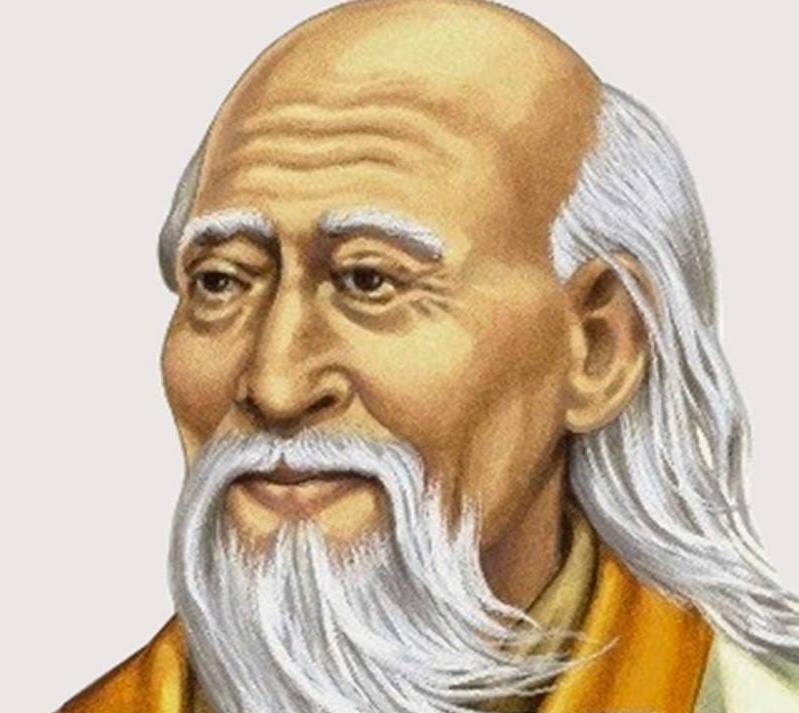
In the words of Lao Tzu, "Govern a great nation as you would cook a small fish." This profound statement invites us to consider the delicate balance required in leadership, suggesting that the same care and subtlety applied to cooking a small fish should be mirrored in the governance of a vast nation. The stakes are high; the way we lead can either nourish or suffocate the collective spirit of those we serve. In a world often marked by heavy-handed authority and rigid control, this teaching beckons us to embrace a more nuanced, gentle approach to leadership.
As we delve deeper into this metaphor, we uncover layers of meaning that resonate not only with political leaders but with anyone in a position of influence. The act of cooking a small fish requires attentiveness, patience, and a light touch—qualities that are often overshadowed by the urgency and demands of modern leadership. Lao Tzu's wisdom reminds us that effective governance is not about exerting power but rather about fostering an environment where individuals can thrive. This perspective is particularly relevant today, as we navigate complex social dynamics and seek to create spaces of harmony and cooperation.
The image / the metaphor
The imagery of cooking a small fish evokes a sense of tenderness and care. The verbs chosen—"govern" and "cook"—suggest an intimate relationship between the leader and the governed, akin to a chef's relationship with their ingredients. Just as a small fish can be easily overcooked or ruined by excessive heat, a nation can be harmed by overbearing leadership. The felt sense of this quote is one of caution; it urges leaders to approach their responsibilities with a gentle hand, mindful of the fragility inherent in both fish and human communities.
Going deeper into the metaphor, we can see that cooking a small fish also implies a respect for the natural order of things. It suggests that leadership should not be about forcing change or imposing will but rather about understanding the unique qualities and needs of the people being led. This aligns with the Taoist principle of wu wei, or "non-action," which emphasizes the importance of aligning with the natural flow of life rather than striving against it. In this light, Lao Tzu's quote serves as a reminder that true leadership is about harmony, balance, and the art of subtle influence.
In the speaker's tradition
Within the rich tapestry of Taoism, Lao Tzu's teachings emphasize the importance of harmony, balance, and the interconnectedness of all things. Concepts such as dharma, or the natural order of the universe, resonate with the idea that leaders must act in accordance with the inherent nature of their people and circumstances. This approach stands in contrast to more authoritarian styles of leadership that prioritize control over collaboration. By embracing the principles of Taoism, leaders can cultivate a sense of trust and mutual respect, allowing for a more organic and effective governance.
A relevant text that echoes this sentiment is the Tao Te Ching itself, particularly in its exploration of the virtues of humility and simplicity. Lao Tzu writes, "The best leaders are those whom the people hardly know exist." This notion reinforces the idea that effective governance is often invisible, operating in the background to support and uplift the community. Just as a skilled chef knows when to step back and let the flavors meld, a wise leader understands the importance of allowing their people to flourish without unnecessary interference.
Living the teaching
Consider a modern scenario in which a manager oversees a diverse team in a corporate setting. Instead of micromanaging every detail of their employees' work, the manager adopts a more hands-off approach, trusting their team to utilize their unique skills and insights. By fostering an environment of autonomy and creativity, the manager embodies Lao Tzu's teaching, allowing the team to thrive and innovate. This gentle leadership style not only enhances productivity but also cultivates a sense of ownership and accountability among team members.
In a more personal context, think about a relationship where one partner tends to dominate conversations and decision-making. By applying the wisdom of Lao Tzu, this partner might learn to listen more attentively and engage in a dialogue that honors the other person's perspective. This shift towards a more collaborative approach can transform the relationship, allowing both individuals to feel valued and understood. In both scenarios, the essence of Lao Tzu's teaching is clear: leadership, whether in a professional or personal realm, flourishes when approached with care, respect, and a light touch.
A reflection
As we reflect on Lao Tzu's wisdom, we might ask ourselves: "In what areas of my life can I practice a gentler form of leadership?" This question invites us to consider how we can embody the principles of non-interference and attentiveness in our daily interactions, whether at work, in our relationships, or within our communities. By embracing this contemplative inquiry, we open ourselves to the possibility of fostering deeper connections and creating environments where all can flourish.




Join the BrightStar Community
Stay connected with daily inspiration, event announcements, and community wisdom