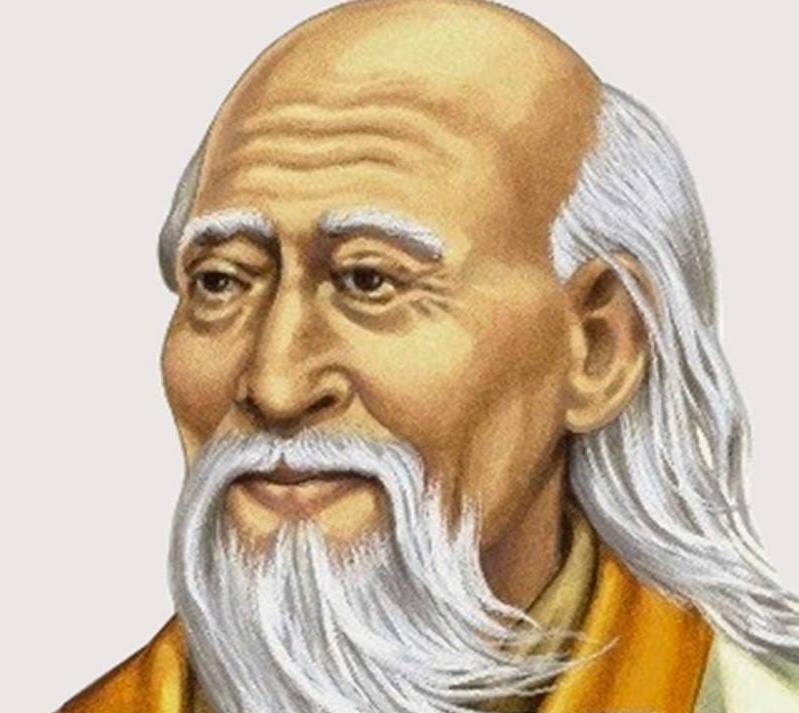
The Art of Letting Go: Wisdom from Lao Tzu
In the profound words of Lao Tzu, "He who acts spoils things; he who grasps loses them." This statement encapsulates a fundamental truth about the nature of existence and our relationship with the world around us. It invites us to reconsider our habitual tendencies to control, manipulate, and cling to outcomes, suggesting that such actions often lead to disappointment and loss. The stakes are high; in a culture that prizes achievement and possession, Lao Tzu's wisdom offers a counter-narrative that encourages us to embrace a more fluid, harmonious way of being.
Delving deeper, we find that this quote speaks to the essence of Taoist philosophy, which emphasizes the importance of aligning with the natural flow of life rather than imposing our will upon it. The implications of this teaching extend beyond mere passivity; they invite us to cultivate a state of non-attachment and trust in the unfolding of our experiences. By letting go of our need to control, we open ourselves to a richer, more authentic engagement with life, allowing us to experience its inherent beauty and complexity.
The image / the metaphor
At the heart of Lao Tzu's quote lies a vivid imagery that evokes the tension between action and inaction. The verbs "acts" and "grasps" suggest a forceful, almost aggressive approach to life, one that is often met with resistance. In contrast, the consequences of such actions—spoilage and loss—paint a picture of decay and emptiness. This imagery resonates deeply with our lived experiences, where attempts to control or cling to something often lead to frustration and disillusionment.
Moreover, the metaphor extends beyond mere actions to encompass our mental and emotional states. To "act" in this context can be understood as an overzealous engagement with life, driven by fear or desire. Conversely, to "grasp" implies a clinging to outcomes, a refusal to accept the impermanence of all things. Together, these images invite us to reflect on the futility of such efforts and the liberation that comes from embracing a more relaxed, open-hearted approach to existence.
In the speaker's tradition
Lao Tzu's teachings are deeply rooted in the tradition of Taoism, which emphasizes the concept of wu-wei, or "non-action." This principle does not advocate for complete passivity but rather encourages us to act in accordance with the natural rhythms of life. In this sense, wu-wei aligns with other spiritual concepts such as dharma in Buddhism, which speaks to the idea of living in harmony with the cosmic order, or kenosis in Christian mysticism, which refers to the self-emptying of one's will to allow for divine influence.
In the Tao Te Ching, Lao Tzu frequently illustrates the importance of yielding and adapting to the flow of life. For instance, in Chapter 2, he describes how the soft and yielding can overcome the hard and rigid, emphasizing that true strength lies in flexibility and acceptance. This perspective invites us to reconsider our understanding of power and success, suggesting that the most profound achievements often arise from a place of surrender rather than force.
Living the teaching
Consider a modern scenario where this teaching resonates: the workplace. Many individuals find themselves caught in a cycle of striving for promotions, accolades, and recognition, often leading to burnout and dissatisfaction. By embodying the wisdom of Lao Tzu, one might choose to focus on the quality of their work and the relationships they cultivate, rather than fixating on external validation. This shift in perspective can lead to a more fulfilling and sustainable approach to professional life, where success is measured not by accolades but by genuine engagement and contribution.
In the realm of personal relationships, the teaching of non-attachment can be particularly transformative. Imagine a situation where one partner is overly focused on controlling the dynamics of the relationship, leading to tension and conflict. By practicing the art of letting go—allowing space for the other person to express themselves freely—both partners can cultivate a deeper connection rooted in trust and acceptance. This approach fosters a sense of safety and openness, enabling love to flourish without the constraints of possessiveness or fear.
A reflection
As we contemplate Lao Tzu's profound insight, we are invited to reflect on our own lives: In what areas do we find ourselves acting too forcefully or grasping too tightly? This question encourages us to examine our relationships, ambitions, and daily practices, inviting a deeper understanding of how our actions may be hindering rather than helping. By embracing the wisdom of non-attachment and wu-wei, we can begin to cultivate a more harmonious existence, allowing life to unfold in its own beautiful way.




Join the BrightStar Community
Stay connected with daily inspiration, event announcements, and community wisdom