The Wisdom of Knowing: A Journey Inward
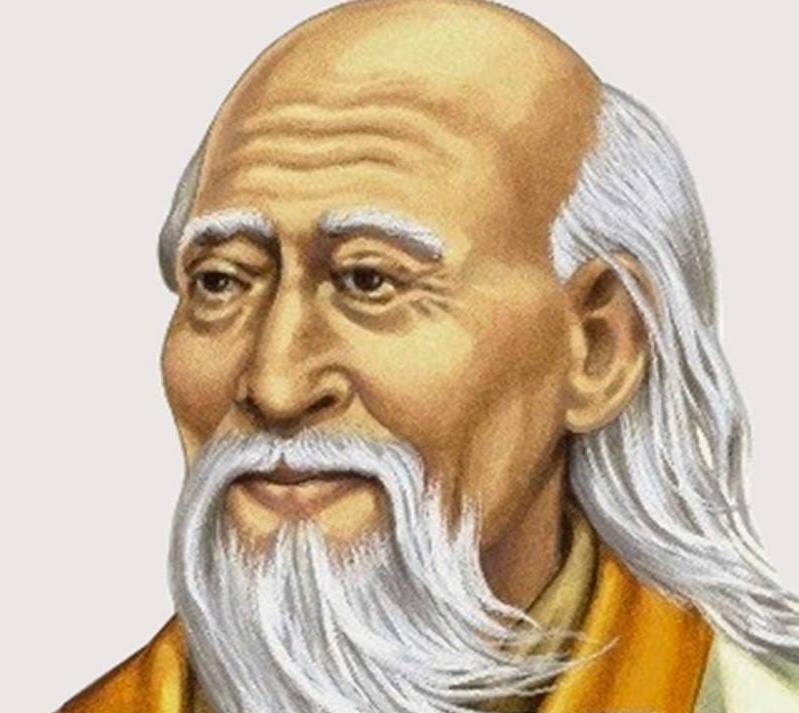
Lao Tzu's profound assertion, "He who knows men is wise. He who knows himself is enlightened," invites us to explore the duality of knowledge—external and internal. In a world often fixated on external validation and understanding, this quote serves as a gentle reminder of the deeper, more transformative journey of self-awareness. The stakes are high; to truly know oneself is to unlock the potential for enlightenment, a state of being that transcends mere wisdom.
This distinction between knowing others and knowing oneself is not merely academic; it is a call to action. In our fast-paced lives, we often prioritize understanding the complexities of those around us, perhaps believing that this will lead us to greater wisdom. Yet, Lao Tzu suggests that the path to true enlightenment lies within. This inward journey is not just about self-reflection but about cultivating a profound understanding of our own nature, motivations, and the interconnectedness of all beings.
The image / the metaphor
The imagery in Lao Tzu's quote is striking in its simplicity yet rich in meaning. The verbs "knows" and "is" imply a deep, intimate understanding rather than superficial knowledge. To "know men" suggests an awareness of the external world—its complexities, its joys, and its sorrows. In contrast, to "know oneself" evokes a sense of introspection and self-discovery, a journey into the depths of one's own being. This duality creates a felt sense of tension between the external and the internal, urging us to seek balance.
In the speaker's tradition
Within the rich tapestry of Taoism, Lao Tzu's quote resonates with several key concepts. The idea of "wu wei," or effortless action, complements the notion of self-knowledge. When we understand ourselves deeply, we can act in harmony with the flow of life rather than against it. This understanding fosters a sense of dharma, or one's rightful path, allowing us to navigate the complexities of existence with grace and ease.
Moreover, this teaching echoes the Buddhist concept of "sunyata," or emptiness, which invites us to look beyond the ego and recognize the interconnectedness of all beings. Just as knowing oneself leads to enlightenment, understanding the emptiness of the self can reveal the profound truths of existence. In the "Tao Te Ching," Lao Tzu emphasizes the importance of humility and simplicity, suggesting that true wisdom arises not from accumulation but from a deep understanding of the self and the world.
Living the teaching
Consider a modern scenario where this teaching might resonate: a workplace filled with competition and ambition. In such an environment, one might focus on understanding colleagues' motivations and strategies to gain an edge. However, if one were to turn inward and reflect on their own values, strengths, and weaknesses, they might find that true success lies not in outsmarting others but in fostering collaboration and authenticity. This self-awareness can transform the workplace dynamic, leading to a more harmonious and productive environment.
In relationships, this teaching can manifest in moments of conflict. When faced with a disagreement, one might instinctively seek to understand the other person's perspective. Yet, if we pause to reflect on our own feelings and triggers, we can approach the situation with greater empathy and clarity. This inward focus not only enriches our understanding of ourselves but also deepens our connections with others, allowing for more meaningful interactions and resolutions.
A reflection
As we contemplate Lao Tzu's wisdom, we are invited to ask ourselves: What does it mean to truly know myself? This question encourages a journey of introspection, urging us to explore our motivations, fears, and desires. In this exploration, we may uncover layers of understanding that lead us toward enlightenment, illuminating the path not only for ourselves but for those around us.




Join the BrightStar Community
Stay connected with daily inspiration, event announcements, and community wisdom