The Ground Beneath Our Feet: Embracing Humility and Patience
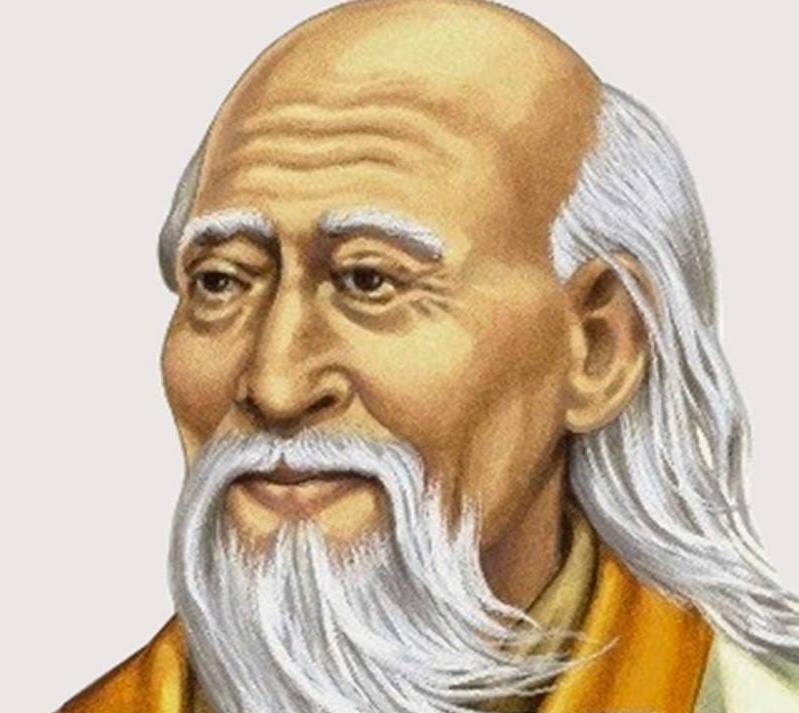
Lao Tzu's words, "He who stands on tiptoe doesn't stand firm; he who rushes ahead doesn't go far," invite us to reflect on the virtues of humility and patience. In a world that often glorifies ambition and speed, this quote serves as a gentle reminder that true stability and progress come from a grounded approach to life. It challenges us to reconsider our frantic pursuits and the ways we might be sacrificing our inner balance for the sake of external achievements.
In a culture that prizes quick results and relentless striving, Lao Tzu's wisdom resonates deeply. The metaphor of standing on tiptoe conjures an image of precariousness, suggesting that when we stretch ourselves too thin in our quest for success, we risk losing our footing. This teaching encourages us to cultivate a sense of steadiness and to recognize that the path to fulfillment is not always a sprint but often a slow, deliberate journey. By embracing humility and patience, we can navigate life's complexities with grace and resilience.
The image / the metaphor
The imagery in Lao Tzu's quote is rich and evocative. Standing on tiptoe implies a sense of urgency and a desire to reach something just out of grasp, yet it also embodies instability. The act of rushing ahead suggests a lack of mindfulness, a frantic pace that ultimately leads to exhaustion and disillusionment. The verbs chosen—"stands," "rushes," and "go"—convey a dynamic tension between the desire for progress and the necessity of grounding oneself in the present moment.
Diving deeper into the metaphor, we can see that standing on tiptoe is not merely about physical posture; it symbolizes a broader existential condition. It reflects our tendency to chase after ideals or goals that may not align with our true nature. In contrast, the notion of standing firm invites us to cultivate a sense of inner strength and stability, allowing us to engage with life authentically. This metaphor serves as a poignant reminder that the journey is as important as the destination, and that true progress often requires us to slow down and find our center.
In the speaker's tradition
Within the context of Taoism, Lao Tzu's teachings emphasize the importance of aligning oneself with the natural flow of the universe, or the Tao. Concepts such as wu wei, or effortless action, resonate deeply with the themes of humility and patience found in this quote. Wu wei encourages us to act in harmony with the world around us, rather than forcing our will upon it. This approach fosters a sense of ease and allows us to navigate life's challenges without unnecessary struggle.
Moreover, the idea of humility in Taoism is closely related to the concept of sunyata, or emptiness, found in Buddhist philosophy. Both traditions teach that by letting go of our ego-driven desires and attachments, we can cultivate a deeper understanding of ourselves and our place in the world. In the Tao Te Ching, Lao Tzu often contrasts the wise person, who embodies humility and patience, with the ambitious individual who seeks power and recognition. This dichotomy serves as a guiding principle for those seeking to live in accordance with the Tao.
Living the teaching
Consider a modern scenario where this teaching might resonate: the workplace. In a fast-paced corporate environment, employees often feel pressured to deliver results quickly, leading to burnout and dissatisfaction. By embodying the wisdom of Lao Tzu, one might choose to approach their work with a sense of patience, focusing on quality rather than speed. This shift in perspective can lead to more meaningful contributions and a healthier work-life balance, ultimately fostering a more sustainable path to success.
This teaching also finds application in personal relationships. In moments of conflict or misunderstanding, the urge to rush to conclusions or to assert one's viewpoint can create further discord. By practicing humility and patience, we can take a step back, listen deeply, and engage in open dialogue. This approach not only strengthens our connections but also cultivates a sense of trust and understanding, allowing relationships to flourish over time.
A reflection
As we contemplate Lao Tzu's profound insight, we are invited to ask ourselves: In what areas of my life am I standing on tiptoe, striving for something just out of reach? This question encourages introspection and invites us to explore the ways we might be sacrificing our stability for the sake of ambition. By reflecting on our own tendencies to rush ahead, we can begin to cultivate a deeper sense of humility and patience, ultimately leading us to a more grounded and fulfilling existence.




Join the BrightStar Community
Stay connected with daily inspiration, event announcements, and community wisdom