The Power of Non-Action: A Path to Collective Transformation
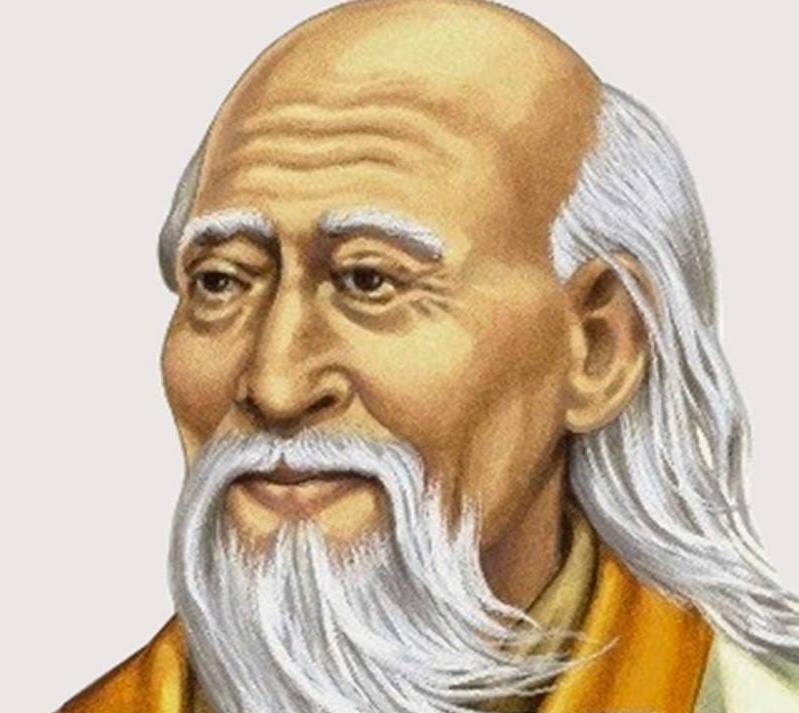
Lao Tzu's assertion, "I act not, and the people of themselves become reformed," invites us to reconsider the nature of leadership and influence. In a world often driven by forceful action and assertive leadership, this quote suggests a profound alternative: the power of non-action, or wu-wei. It challenges us to reflect on how true change can emerge not from coercive measures but from a deeper alignment with the natural flow of life. This insight is particularly relevant in our contemporary society, where the desire for immediate results often overshadows the subtler, more organic processes of transformation.
Delving deeper into this wisdom, we find that Lao Tzu's perspective on leadership transcends mere passivity. It speaks to a profound understanding of human nature and the interconnectedness of all beings. By embodying a state of wu-wei, leaders can cultivate an environment where individuals feel empowered to enact change themselves. This approach not only fosters a sense of autonomy but also nurtures a collective spirit of reform that is more sustainable and authentic than any top-down directive. In this light, Lao Tzu's words resonate as a timeless reminder of the potential for transformation that lies within each of us.
The image / the metaphor
The imagery in Lao Tzu's quote evokes a sense of effortless flow, where action is not forced but arises naturally from the circumstances at hand. The phrase "I act not" suggests a relinquishing of control, a letting go of the ego's need to dominate or direct. Instead, it invites us to trust in the inherent wisdom of the people and the unfolding of life itself. This notion of non-action does not imply inactivity; rather, it emphasizes a harmonious engagement with the world, where actions emerge spontaneously and authentically from a place of inner stillness.
As we explore this metaphor further, we can see that it embodies the essence of wu-wei, which is often translated as "non-doing" or "effortless action." This does not mean that one is passive or indifferent; instead, it suggests a deep attunement to the rhythms of life. When leaders embody this principle, they create a space where others can flourish, where their innate capacities for growth and reform can be realized. The metaphor of water, a recurring symbol in Taoist thought, beautifully illustrates this idea: water flows effortlessly, adapting to the contours of its environment while also possessing the power to shape and transform the landscape over time.
In the speaker's tradition
Within the context of Taoism, Lao Tzu's teaching resonates with the broader principles of harmony, balance, and the natural order of the universe. Concepts such as dharma, which refers to the inherent duty or path of an individual, and sunyata, the notion of emptiness or potentiality, align closely with the idea of wu-wei. In Taoist philosophy, the belief is that when individuals align with their true nature and the rhythms of the cosmos, they can contribute to a greater collective harmony without the need for forceful intervention. This understanding invites us to consider how our own actions can either disrupt or enhance the natural flow of life.
Moreover, the Tao Te Ching itself serves as a rich source of wisdom on this topic. In various passages, Lao Tzu emphasizes the importance of humility, simplicity, and the power of yielding. For instance, he writes about the value of the soft overcoming the hard, illustrating how gentleness and receptivity can lead to profound change. This perspective encourages us to embrace a leadership style that prioritizes listening and understanding over dictating and controlling, fostering an environment where collective transformation can take root.
Living the teaching
In our modern world, the application of Lao Tzu's teaching can be seen in various contexts, particularly in leadership and community-building. Consider a workplace scenario where a manager adopts a hands-off approach, allowing team members to take ownership of their projects. Instead of micromanaging, the manager creates an atmosphere of trust and collaboration, empowering individuals to innovate and contribute their unique perspectives. This approach not only enhances morale but also leads to more creative and effective solutions, demonstrating how non-action can catalyze collective reform.
On a more personal level, we can apply this teaching in our relationships. Imagine a situation where a friend is struggling with a difficult decision. Instead of imposing our opinions or attempting to solve their problems for them, we can practice the art of listening and being present. By creating a safe space for them to explore their thoughts and feelings, we allow them to arrive at their own insights and resolutions. This practice of wu-wei in relationships fosters deeper connections and encourages personal growth, illustrating how our presence can be a powerful catalyst for change without the need for overt action.
A reflection
As we contemplate Lao Tzu's profound insight, we are invited to reflect on our own lives and the ways in which we engage with others. How might we embody the principle of wu-wei in our daily interactions and leadership roles? In what areas of our lives can we practice the art of non-action, allowing others to step into their own power and potential? This contemplative inquiry encourages us to explore the delicate balance between action and non-action, ultimately guiding us toward a more harmonious existence.




Join the BrightStar Community
Stay connected with daily inspiration, event announcements, and community wisdom