The First Step: Embracing the Journey of Transformation
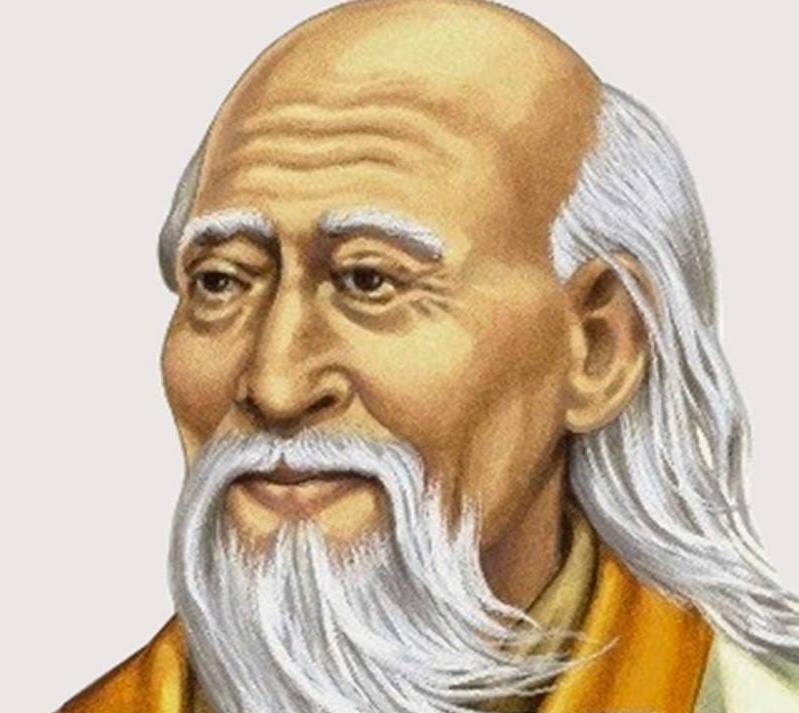
"The journey of a thousand miles begins with a single step," a profound assertion by Lao Tzu, encapsulates the essence of embarking on any significant endeavor. This quote serves as a gentle reminder that every monumental achievement is rooted in the courage to initiate change, no matter how daunting the path may appear. In a world often fixated on the end goal, Lao Tzu invites us to appreciate the importance of beginnings, urging us to take that first step, however small it may seem.
In our fast-paced lives, where instant gratification often overshadows the beauty of gradual progress, this wisdom resonates deeply. The journey, laden with uncertainty and potential, requires not just action but also a willingness to embrace vulnerability. By acknowledging that every journey starts with a single step, we are encouraged to cultivate patience and resilience, recognizing that transformation unfolds over time, one step at a time.
The image / the metaphor
The imagery of a journey spanning a thousand miles evokes a sense of vastness and adventure, while the notion of a single step grounds this vision in reality. The verbs chosen—"journey" and "begins"—imply movement and initiation, suggesting that action is essential to progress. This metaphor speaks to the human experience of embarking on new paths, whether they be personal, professional, or spiritual. It captures the essence of taking that initial leap into the unknown, where possibilities await beyond the horizon.
In the speaker's tradition
Situated within the rich tapestry of Taoism, Lao Tzu's quote reflects the fundamental principles of simplicity, naturalness, and the flow of life. The concept of "wu wei," or effortless action, aligns with the idea that the journey unfolds naturally when we take that first step. In Taoist philosophy, the emphasis is placed on aligning oneself with the natural rhythms of existence, suggesting that each step we take should be in harmony with our true nature and the world around us.
Moreover, this teaching resonates with the notion of "prajna," or wisdom, which encourages us to cultivate awareness and understanding as we navigate our journeys. In the "Tao Te Ching," Lao Tzu emphasizes the importance of humility and patience, reminding us that the path to enlightenment is not a race but a gradual unfolding. The wisdom of taking a single step is echoed throughout the text, reinforcing the idea that every action, no matter how small, contributes to the greater whole.
Living the teaching
Consider a modern scenario where this teaching finds relevance: an individual contemplating a career change. The prospect of leaving a familiar job for an uncertain future can be overwhelming, yet the wisdom of Lao Tzu encourages them to focus on that first step—perhaps updating their resume or reaching out to a mentor. By breaking down the daunting journey into manageable actions, they can navigate the transition with greater ease, fostering a sense of empowerment and agency.
Another application of this teaching might arise in the context of personal relationships. Imagine someone grappling with the desire to mend a strained friendship. The journey toward reconciliation may seem insurmountable, yet the first step could be as simple as reaching out with a heartfelt message. By initiating this small act of vulnerability, they open the door to healing and connection, illustrating how the courage to begin can lead to profound transformation in our lives.
A reflection
As we contemplate the wisdom of Lao Tzu's quote, we might ask ourselves: What is the first step I can take toward a change I desire in my life? This question invites introspection and encourages us to identify the small, actionable steps that can lead us toward our aspirations. In recognizing the significance of beginnings, we can cultivate a deeper appreciation for the journey itself, embracing the unfolding path with openness and courage.




Join the BrightStar Community
Stay connected with daily inspiration, event announcements, and community wisdom