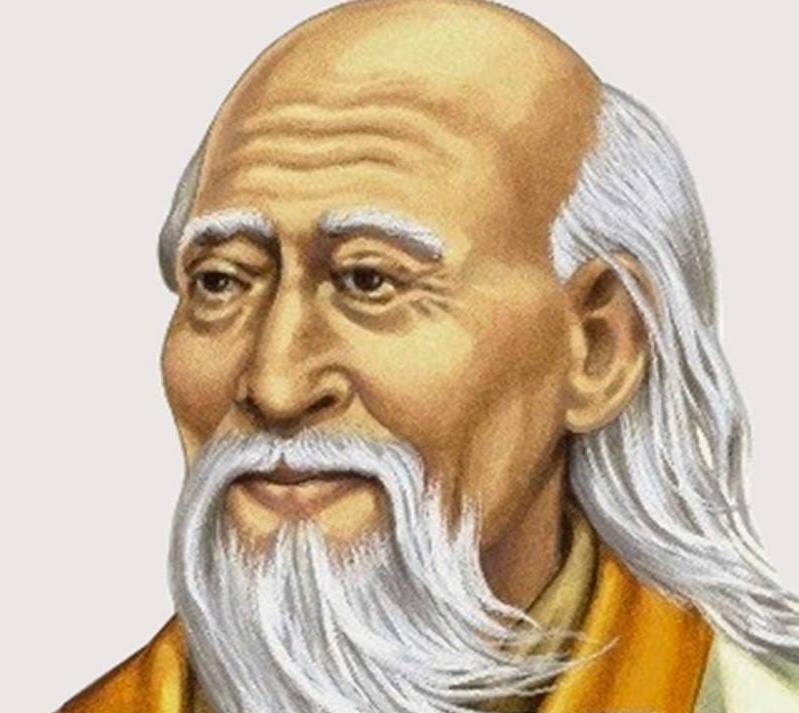
The Unnameable Essence: Embracing the Mystery of the Tao
Lao Tzu's assertion that "The Tao that can be told is not the eternal Tao. The name that can be named is not the eternal name" invites us into a profound contemplation of the limitations of language and conceptualization in grasping the essence of reality. This statement underscores the idea that the ultimate truth, the Tao, transcends our attempts to define or articulate it. In a world increasingly dominated by the need for clarity and certainty, Lao Tzu's wisdom reminds us of the inherent mystery that lies at the heart of existence, urging us to embrace the unknown rather than confine it within the boundaries of our understanding.
As we delve deeper into this quote, we recognize that it speaks to a fundamental tension between the ineffable nature of truth and our human inclination to categorize and label our experiences. The Tao, often translated as "the Way," represents a dynamic, flowing reality that cannot be fully captured by words or concepts. This tension is not merely philosophical; it has practical implications for how we navigate our lives, relationships, and spiritual journeys. By acknowledging the limitations of language, we open ourselves to a more profound engagement with the world, one that honors the mystery rather than seeks to diminish it.
The image / the metaphor
The imagery in Lao Tzu's quote evokes a sense of fluidity and elusiveness. The phrase "the Tao that can be told" suggests a river of wisdom that, once attempted to be captured in words, loses its essence. The verbs "can be told" and "can be named" imply an active engagement with language, yet they also highlight the futility of this endeavor. The felt sense of this quote is one of paradox; while we strive to articulate our understanding of the universe, the very act of naming it distances us from its true nature. The Tao, in its eternal form, remains beyond the grasp of our finite expressions.
Diving deeper into the metaphor, we see that the act of naming is not merely a linguistic exercise but a reflection of our desire to control and comprehend. In many ways, this desire is rooted in our human experience of separation and individuality. Yet, Lao Tzu invites us to recognize that the essence of the Tao is not something to be controlled or confined. Instead, it is a living, breathing reality that flows through all things, inviting us to participate in its unfolding rather than to impose our definitions upon it. This metaphor serves as a reminder that true understanding often lies beyond the confines of our intellect.
In the speaker's tradition
Within the context of Taoism, Lao Tzu's quote resonates with the concept of *wu wei*, or "non-action," which emphasizes alignment with the natural flow of the universe rather than forceful intervention. This principle encourages a state of being that is receptive and attuned to the rhythms of life, allowing us to navigate challenges with grace and ease. The recognition that the eternal Tao cannot be fully articulated aligns with the Taoist understanding of reality as a dynamic interplay of opposites, where the unnameable is often more significant than the named.
Furthermore, this idea echoes the Buddhist concept of *sunyata*, or emptiness, which posits that all phenomena are devoid of inherent existence. Just as the Tao cannot be confined to words, so too does *sunyata* invite us to see beyond the labels and distinctions we impose on our experiences. In the *Tao Te Ching*, Lao Tzu often emphasizes the importance of humility and simplicity, urging us to let go of our attachments to definitions and embrace the fluidity of existence. This interconnectedness of Taoism and Buddhism highlights a shared recognition of the limitations of language in capturing the essence of truth.
Living the teaching
In our modern lives, the teaching encapsulated in Lao Tzu's quote can manifest in various ways. Consider a moment of frustration when trying to articulate your feelings to a loved one. The more you attempt to explain your emotional state, the more elusive it becomes, leading to misunderstandings and conflict. In this scenario, embracing the idea that "the name that can be named is not the eternal name" can encourage you to step back and acknowledge the limitations of language. Instead of forcing clarity, you might choose to express your feelings through art, music, or simply by sharing your presence, allowing the essence of your experience to be felt rather than confined to words.
Another application of this teaching can be found in the realm of personal growth and self-discovery. Often, we seek to define ourselves through labels—career titles, relationship statuses, or personal achievements. However, these names can become restrictive, limiting our understanding of who we are at a deeper level. By recognizing that our true essence cannot be fully captured by any single label, we can cultivate a sense of freedom and openness in our journey. This perspective invites us to explore the richness of our experiences without the pressure to define or categorize them, allowing for a more authentic engagement with ourselves and the world around us.
A reflection
As we contemplate Lao Tzu's profound wisdom, we are invited to reflect on the ways in which we seek to define and categorize our experiences. In what areas of your life do you find yourself clinging to labels or definitions? How might embracing the mystery of the unnameable allow you to experience a deeper connection with yourself and others? Consider this contemplative question as an invitation to explore the spaces where language falls short, and the essence of your being can be felt rather than named.




Join the BrightStar Community
Stay connected with daily inspiration, event announcements, and community wisdom