The Quiet Power of Humility
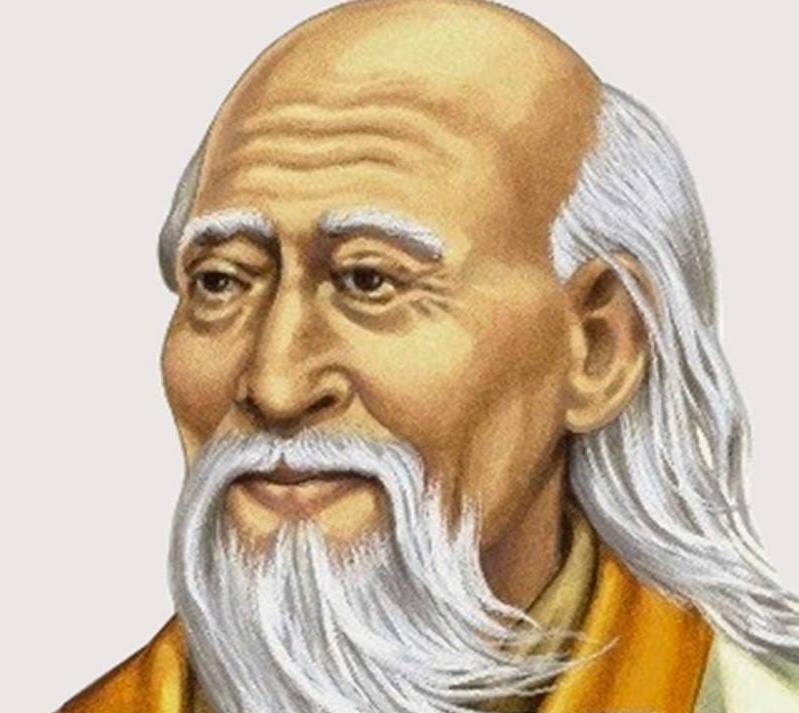
Lao Tzu's observation that "the reason why rivers and seas can be rulers of a hundred valleys is that they are good at lying low" invites us to reflect on the profound strength found in humility. This statement suggests that true leadership and influence arise not from dominance or aggression, but from a willingness to remain grounded and unobtrusive. In a world often enamored with power and visibility, Lao Tzu's wisdom serves as a gentle reminder of the quiet yet formidable nature of those who embrace humility.
In this context, the metaphor of rivers and seas evokes a sense of fluidity and adaptability, qualities essential for effective leadership. The image of water, which nourishes and sustains life while remaining unassuming, challenges conventional notions of authority. By embodying humility, we can cultivate deeper connections with others and foster environments where collaboration and understanding flourish. This teaching resonates deeply in our contemporary landscape, where the noise of ego often drowns out the wisdom of the humble.
The image / the metaphor
The imagery of rivers and seas as rulers of valleys is rich with meaning. Rivers, with their gentle flow, carve paths through the landscape, shaping the earth without forceful imposition. They lie low, allowing the land to rise around them, demonstrating that true power often resides in the ability to adapt and yield. The choice of the verb "lying low" suggests a deliberate act of humility, a conscious decision to prioritize the needs of the valleys over the desire for elevation or recognition.
Diving deeper into this metaphor, we can see that water embodies a paradox: it is both soft and strong. While it may appear weak, it has the capacity to reshape mountains over time. This duality reflects the essence of humility in leadership; it is not about self-effacement but rather about recognizing one's place within a larger context. By embracing the qualities of water, we learn that humility can be a source of resilience and influence, allowing us to navigate the complexities of life with grace.
In the speaker's tradition
Lao Tzu's teachings are rooted in the philosophy of Taoism, which emphasizes living in harmony with the Tao, or the natural way of the universe. Central to this tradition is the concept of wu wei, or effortless action, which aligns closely with the idea of humility. Just as rivers and seas do not force their way through the landscape, practitioners of Taoism are encouraged to move through life with a sense of ease and acceptance, allowing circumstances to unfold naturally rather than imposing their will upon them.
This notion of humility is echoed in other spiritual traditions as well. For instance, in Buddhism, the concept of sunyata, or emptiness, invites practitioners to let go of ego and attachment, fostering a sense of interconnectedness with all beings. Similarly, in the Christian tradition, the idea of kenosis, or self-emptying, emphasizes the importance of humility and service to others. These teachings collectively underscore the universal truth that true strength lies in the ability to remain humble and grounded.
Living the teaching
Consider a modern workplace scenario where a leader embodies the essence of humility. Rather than asserting authority through loud proclamations or rigid control, this leader listens attentively to team members, valuing their input and fostering a collaborative environment. By "lying low," they create space for others to shine, ultimately leading to greater innovation and productivity. This approach not only enhances team dynamics but also cultivates a culture of trust and respect, illustrating the power of humility in leadership.
A reflection
As we contemplate Lao Tzu's wisdom, we might ask ourselves: In what areas of my life can I practice humility to foster deeper connections and greater influence? This question invites us to reflect on our interactions with others, encouraging us to consider how we can embody the qualities of water—flexible, nurturing, and unassuming. By embracing this contemplative inquiry, we open ourselves to the possibility of transformation, both within ourselves and in our relationships with the world around us.




Join the BrightStar Community
Stay connected with daily inspiration, event announcements, and community wisdom