The Wisdom of Knowing Enough
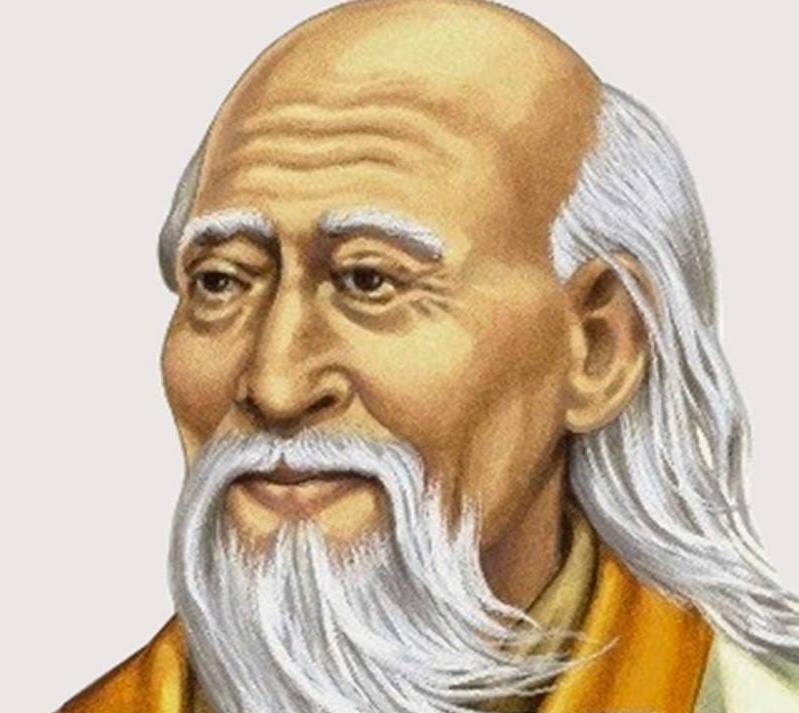
Lao Tzu's profound assertion, "There is no greater calamity than not knowing what is enough. There is no greater fault than the desire to acquire," invites us to reflect deeply on our relationship with desire and contentment. In a world that often equates worth with accumulation, this wisdom challenges us to reconsider what it means to live a fulfilled life. The stakes are high; failing to recognize our limits can lead to a perpetual cycle of dissatisfaction and yearning, while understanding what is truly enough can lead to profound peace and clarity.
This teaching resonates with the essence of Taoism, where the pursuit of harmony and balance is paramount. Lao Tzu's words remind us that the insatiable desire for more can cloud our judgment and obscure the simple joys of existence. By cultivating an awareness of sufficiency, we can navigate life with grace, embracing the present moment rather than chasing elusive goals that often lead to discontent.
The image / the metaphor
The imagery in Lao Tzu's quote evokes a sense of urgency and clarity. The term "calamity" suggests a catastrophic loss, while "fault" implies a moral failing. The verbs "knowing" and "desire" are pivotal; they highlight the importance of awareness and the inherent dangers of unchecked ambition. This juxtaposition creates a vivid picture of the internal struggle between contentment and the relentless pursuit of more, urging us to pause and reflect on our true needs.
In the speaker's tradition
Within the rich tapestry of Taoism, Lao Tzu's insights resonate with the concept of wu wei, or effortless action. This principle encourages us to align with the natural flow of life rather than resist it through excessive striving. The idea of contentment is closely tied to the understanding of sunyata, or emptiness, which teaches that true fulfillment arises not from external possessions but from an inner sense of peace and wholeness. In this way, Lao Tzu's wisdom serves as a guiding light, illuminating the path toward a more harmonious existence.
Moreover, the Tao Te Ching itself is replete with teachings that echo this sentiment. In Chapter 33, Lao Tzu states, "He who knows others is wise; he who knows himself is enlightened." This connection underscores the importance of self-awareness in recognizing our limits and understanding what constitutes "enough." By turning inward, we can cultivate a deeper sense of contentment that transcends the fleeting nature of material desires.
Living the teaching
Consider a modern scenario where this teaching finds relevance: the workplace. Many individuals find themselves caught in a relentless pursuit of promotions, accolades, and financial success. This desire can lead to burnout and a sense of emptiness, as the goalposts of success continually shift. By embracing Lao Tzu's wisdom, one might pause to assess their true motivations and redefine success in terms of personal fulfillment and balance, rather than external validation.
In relationships, the teaching can manifest in the way we approach our connections with others. The desire to acquire more—be it attention, affection, or validation—can strain relationships and lead to misunderstandings. By recognizing what is enough in our interactions, we can cultivate deeper, more meaningful connections rooted in appreciation and presence, rather than a constant quest for more. This shift not only enhances our relationships but also fosters a sense of peace within ourselves.
A reflection
As we contemplate Lao Tzu's profound words, we are invited to ask ourselves: What does "enough" look like in my life? This question encourages a deep exploration of our values, desires, and the ways in which we measure fulfillment. By reflecting on this inquiry, we can begin to cultivate a sense of contentment that honors our true needs and aligns with the wisdom of the Tao.




Join the BrightStar Community
Stay connected with daily inspiration, event announcements, and community wisdom