Embracing Humility: The Path to True Leadership
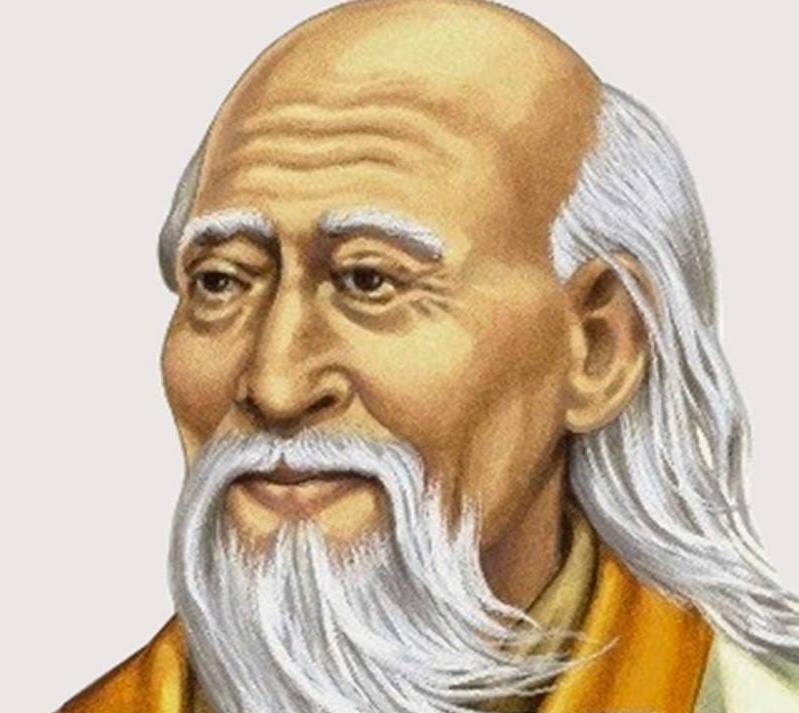
Lao Tzu's assertion that "in order to be above the people, one must, in speech, place oneself below them" invites us to reconsider the nature of leadership and authority. This profound statement suggests that genuine influence arises not from dominance or superiority, but from a deep sense of humility and connection with others. In a world often driven by ego and competition, this teaching challenges us to cultivate a leadership style rooted in empathy and service, emphasizing that true power lies in our ability to listen and understand.
As we delve deeper into this quote, we recognize that it speaks to the essence of human relationships and the dynamics of power. The act of placing oneself "below" others in speech does not imply a lack of confidence or authority; rather, it embodies a willingness to engage authentically and to honor the voices of those we lead. This perspective is particularly relevant in contemporary society, where the loudest voices often drown out the wisdom of the collective. By adopting a humble approach, we can foster environments where collaboration and mutual respect flourish, ultimately leading to more effective and compassionate leadership.
The image / the metaphor
The imagery in Lao Tzu's quote evokes a powerful contrast between elevation and humility. To be "above" the people suggests a position of authority, yet the act of lowering oneself in speech introduces a paradox. The verbs chosen—"place" and "below"—imply intentionality and action, inviting us to consider how our words and demeanor can either uplift or diminish those around us. This felt sense of the quote resonates with the idea that true leadership is not about asserting dominance but about creating space for others to express themselves.
Diving deeper into the metaphor, we can envision a leader who embodies this principle as a gardener tending to a diverse array of plants. Just as a gardener must kneel to nurture the soil and understand the needs of each plant, a leader must lower themselves in speech to cultivate trust and connection. This act of humility allows for the flourishing of a community, where each voice is valued and heard. In this way, the metaphor extends beyond mere words; it encompasses the entire ethos of leadership as a relational practice grounded in mutual respect.
In the speaker's tradition
Within the context of Taoism, Lao Tzu's teaching resonates with the concept of wu wei, or "non-action," which emphasizes the importance of aligning with the natural flow of life rather than forcing one's will upon it. This principle encourages leaders to adopt a posture of receptivity and humility, recognizing that true wisdom often emerges from the collective rather than from individual authority. The idea of placing oneself below others in speech aligns with the Taoist understanding of harmony, where balance and interconnectedness are paramount.
Furthermore, this teaching can be compared to the Buddhist concept of sunyata, or emptiness, which invites individuals to let go of rigid self-identities and embrace a more fluid understanding of self in relation to others. Just as sunyata encourages a release from ego, Lao Tzu's words remind us that leadership flourishes when we prioritize the needs and voices of those we serve. In the Tao Te Ching, the emphasis on humility and the importance of listening echoes throughout, reinforcing the notion that the most effective leaders are those who embody the qualities of compassion and understanding.
Living the teaching
Consider a modern scenario where this teaching can be applied: a manager in a corporate setting who seeks to inspire their team. Instead of asserting authority through directives, this manager chooses to engage in open dialogue, inviting team members to share their insights and concerns. By lowering themselves in speech, they create an atmosphere of trust and collaboration, empowering their team to take ownership of their work. This approach not only enhances morale but also leads to more innovative solutions, illustrating how humility can transform the dynamics of leadership.
Another application of this teaching can be found in personal relationships, particularly during moments of conflict. Imagine a disagreement between friends where one person feels unheard. By consciously choosing to listen and validate the other’s feelings, one embodies the essence of placing oneself below in speech. This act of humility fosters deeper understanding and connection, allowing for resolution and healing. In daily practice, we can cultivate this teaching by approaching conversations with an open heart and a willingness to learn from others, thereby enriching our relationships and communities.
A reflection
As we reflect on Lao Tzu's profound insight, we might ask ourselves: "In what areas of my life can I practice humility to foster deeper connections with others?" This contemplative question invites us to explore the ways in which we communicate and engage with those around us. By embracing humility as a guiding principle, we can begin to transform our interactions, leading to a more compassionate and harmonious existence.




Join the BrightStar Community
Stay connected with daily inspiration, event announcements, and community wisdom