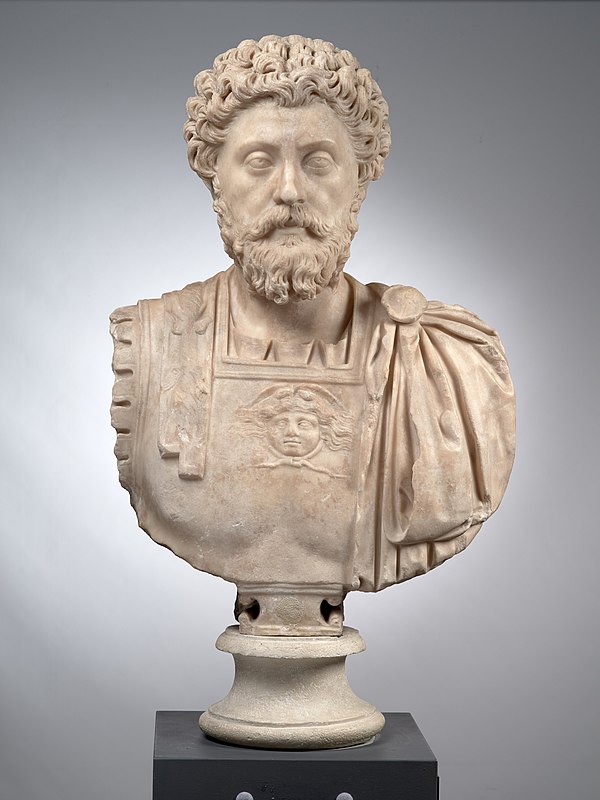
Finding Stillness Amidst the Turmoil
In the words of Marcus Aurelius, "And around it the agitated water is laid to rest," we encounter a profound invitation to cultivate inner peace amidst the chaos of life. This quote encapsulates the essence of Stoic philosophy, urging us to find tranquility within ourselves, regardless of external circumstances. The stakes are high; in a world often characterized by turbulence and uncertainty, the ability to maintain equanimity is not merely a luxury but a necessity for a fulfilled existence.
To deepen our understanding, we must consider the imagery of agitated water, a metaphor for the tumult of our thoughts and emotions. The act of laying this water to rest speaks to the transformative power of mindfulness and self-awareness. It is a reminder that while we cannot control the storms that arise around us, we can choose how we respond to them. This choice is at the heart of Stoicism, where the cultivation of inner peace becomes a refuge in the face of life's inevitable challenges.
The image / the metaphor
The imagery of "agitated water" evokes a visceral sense of chaos and disturbance. Water, in its natural state, is fluid and adaptable, yet when agitated, it becomes turbulent and unpredictable. The verbs chosen—“laid to rest”—suggest a deliberate action, a calming of the storm that requires intention and effort. This imagery resonates deeply with our own experiences of emotional upheaval, where our thoughts can swirl chaotically, clouding our judgment and peace of mind.
Diving deeper into the metaphor, we can see that the act of laying the water to rest is not merely about suppressing emotions but rather about acknowledging and transforming them. It invites us to engage with our inner turmoil, to observe it without judgment, and to gently guide it toward stillness. This process reflects the Stoic practice of mindfulness, where we learn to witness our thoughts and feelings without becoming entangled in them, ultimately leading to a state of serene clarity.
In the speaker's tradition
Marcus Aurelius stands as a pillar of Stoic philosophy, a tradition that emphasizes the importance of virtue, rationality, and emotional resilience. Central to this philosophy is the concept of apatheia, which refers to a state of being free from destructive emotions. This aligns closely with the idea of kenosis found in other spiritual traditions, where the act of emptying oneself of ego and desire allows for a deeper connection to the present moment. In both cases, the goal is to achieve a profound sense of peace that transcends external chaos.
In his work, Aurelius often reflects on the nature of the mind and its ability to shape our experiences. In Meditations, he writes about the importance of focusing on what is within our control and accepting what is not. This resonates with the Buddhist concept of sunyata, or emptiness, which teaches that our perceptions of reality are often clouded by attachment and aversion. By recognizing the transient nature of our thoughts and emotions, we can cultivate a sense of peace that remains unshaken by the storms of life.
Living the teaching
Consider a modern scenario where this teaching can be applied: imagine facing a challenging work situation, such as a looming deadline or a difficult colleague. The initial response may be one of anxiety or frustration, akin to the agitated water. However, by practicing the Stoic principle of pausing to reflect, one can take a step back, observe the emotional turmoil, and consciously choose to respond with calmness and clarity. This practice not only alleviates personal stress but also fosters a more constructive environment for collaboration.
In the realm of relationships, the teaching of laying agitated water to rest can be particularly transformative. During a conflict with a loved one, emotions may run high, leading to misunderstandings and hurt feelings. By embodying the Stoic ideal of equanimity, one can approach the situation with a sense of calm, allowing for open communication and resolution. This practice of mindfulness and emotional regulation not only strengthens bonds but also cultivates a deeper understanding of oneself and others.
A reflection
As we contemplate the wisdom of Marcus Aurelius, we are invited to reflect on our own lives: what are the agitations that disrupt our inner peace? In moments of turmoil, how can we cultivate the stillness that lies within? By engaging with these questions, we can begin to embody the teachings of Stoicism, transforming our relationship with the chaos around us and discovering the profound tranquility that resides within.




Join the BrightStar Community
Stay connected with daily inspiration, event announcements, and community wisdom