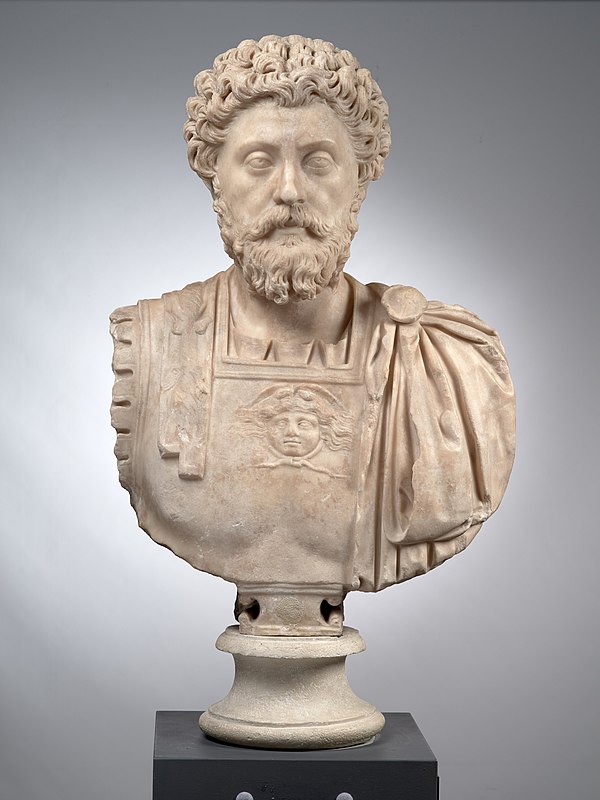
The Art of Presence: A Stoic Invitation
In the words of Marcus Aurelius, we are urged to focus intently on the task at hand, embodying a spirit of seriousness and justice in our actions. This call to concentrate every moment "like a Roman" implores us to engage with life fully, embracing our duties with tenderness and willingness. The stakes are high; in a world rife with distractions, the ability to be present and committed to our responsibilities can transform our experience and deepen our connection to ourselves and others.
To concentrate on what is in front of us is not merely a practical suggestion; it is a profound spiritual practice. Aurelius invites us to approach our duties with a sense of reverence, recognizing that each moment is an opportunity for growth and integrity. This perspective challenges us to transcend the mundane and to see our daily tasks as sacred expressions of our character and purpose.
The image / the metaphor
At the heart of Aurelius's quote lies a vivid imagery of focus and dedication. The phrase "concentrate every minute like a Roman" evokes the disciplined and resolute nature of Roman citizens, who were known for their commitment to duty and civic responsibility. The verbs "doing," "tenderly," and "willingly" paint a picture of engaged action, where each moment is infused with intention and care. This imagery serves as a reminder that our approach to life should be one of active participation rather than passive existence.
Diving deeper into the metaphor, we can see that Aurelius is not merely advocating for diligence; he is calling for a heartfelt engagement with our responsibilities. The use of "precise and genuine seriousness" suggests that our actions should be grounded in authenticity and integrity. This duality of precision and tenderness invites us to balance our commitments with compassion, ensuring that our seriousness does not lead to rigidity but rather to a more profound connection with ourselves and the world around us.
In the speaker's tradition
Marcus Aurelius stands as a pillar of Stoic philosophy, a tradition that emphasizes the importance of virtue, rationality, and the acceptance of what we cannot control. His teachings resonate with the concept of dharma in Eastern philosophies, where one's duty is seen as a path to spiritual fulfillment. Just as dharma calls for an alignment with one's true nature and responsibilities, Aurelius's exhortation to concentrate on our duties reflects a similar understanding of living in accordance with our higher purpose.
In his work "Meditations," Aurelius often reflects on the nature of existence and the importance of living in harmony with the universe. This echoes the Buddhist concept of sunyata, or emptiness, which teaches that our attachments and distractions cloud our perception of reality. By concentrating on what is in front of us, we can cultivate a clearer understanding of our place in the world, allowing us to act with wisdom and compassion.
Living the teaching
Consider a modern scenario where this teaching can take root: a busy professional juggling multiple projects and deadlines. In the midst of this chaos, Aurelius's call to concentrate on the task at hand becomes a lifeline. By focusing on one project at a time, approaching it with seriousness and care, the individual not only enhances their productivity but also finds a deeper sense of satisfaction in their work. This practice of presence transforms the mundane into a meaningful engagement with their craft.
Another application of this teaching can be found in personal relationships. Imagine a moment of conflict with a loved one, where emotions run high and distractions abound. By embodying the spirit of Aurelius, one can choose to engage with the situation tenderly and willingly, listening deeply and responding with justice rather than reacting impulsively. This approach fosters a space for understanding and healing, reinforcing the idea that our duties to one another are as sacred as those we hold in our professional lives.
A reflection
As we contemplate the wisdom of Marcus Aurelius, we are invited to reflect on our own lives: How often do we allow distractions to pull us away from the present moment? In what ways can we cultivate a deeper sense of presence and commitment to our duties, both to ourselves and to others? This contemplation invites us to explore the transformative power of focusing on what is in front of us, allowing each moment to become a stepping stone toward a more meaningful existence.




Join the BrightStar Community
Stay connected with daily inspiration, event announcements, and community wisdom