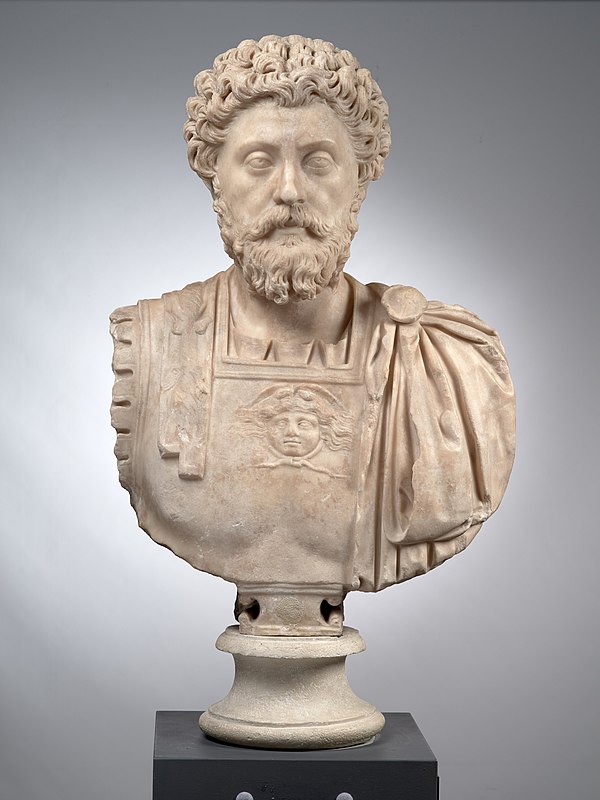
Embracing Life: The Courage to Begin
Marcus Aurelius offers a profound insight when he states, "It is not death that a man should fear, but he should fear never beginning to live." This quote invites us to confront the essence of our existence, urging us to prioritize the act of truly living over the fear of mortality. In a world often preoccupied with the inevitability of death, Aurelius challenges us to consider what it means to engage fully with life, to embrace our potential, and to cultivate a meaningful existence.
In this contemplation, we find a call to courage, a reminder that the greatest tragedy lies not in the end of life but in the failure to seize the moments that define our journey. The fear of death can paralyze us, but it is the fear of unfulfilled potential that should ignite our spirits. Aurelius's wisdom resonates deeply in our contemporary lives, where distractions and uncertainties can lead us to postpone our dreams and desires, ultimately leading to a life half-lived.
The image / the metaphor
At first glance, Aurelius's words evoke a stark contrast between death and life, yet the imagery extends beyond mere existence. The verbs "fear" and "beginning" suggest an active engagement with life, highlighting the importance of taking initiative. The phrase "never beginning to live" paints a picture of stagnation, where the vibrancy of life is overshadowed by inaction and fear. This imagery compels us to reflect on the moments we hesitate, the opportunities we let slip away, and the passions we suppress.
Diving deeper into the metaphor, we can see that Aurelius is not merely addressing the physical act of living but rather the essence of what it means to be alive. To "begin to live" implies a conscious choice to embrace experiences, to cultivate relationships, and to pursue our passions with vigor. It is an invitation to step into the fullness of our humanity, to engage with the world around us, and to recognize that each moment holds the potential for growth and transformation.
In the speaker's tradition
Marcus Aurelius's philosophy is rooted in Stoicism, a tradition that emphasizes the importance of virtue, rationality, and acceptance of the natural order of the universe. Central to Stoic thought is the concept of living in accordance with nature, which aligns closely with the idea of dharma in Eastern philosophies. Just as dharma calls individuals to fulfill their true purpose, Aurelius urges us to embrace our potential and live authentically, free from the shackles of fear and doubt.
In his seminal work, "Meditations," Aurelius reflects on the transient nature of life and the inevitability of death, yet he consistently returns to the theme of purposeful living. He writes about the importance of focusing on what is within our control and letting go of what is not. This resonates with the Stoic practice of mindfulness, where one cultivates awareness of the present moment, allowing for a deeper engagement with life and a greater appreciation for the fleeting nature of existence.
Living the teaching
Consider a modern scenario where this teaching finds relevance: an individual contemplating a career change. The fear of leaving a stable job often overshadows the desire for a more fulfilling path. In this case, Aurelius's wisdom serves as a guiding light, encouraging the individual to confront the fear of the unknown and to take the leap toward a life that resonates with their true self. By recognizing that the real danger lies in remaining stagnant, they can begin to embrace the possibilities that await them.
Another application of this teaching can be found within relationships. Imagine someone hesitating to express their feelings to a loved one due to the fear of rejection. Aurelius's insight reminds us that the risk of never sharing our truth is far greater than the potential pain of vulnerability. By choosing to communicate openly, we honor our capacity for connection and intimacy, allowing our relationships to flourish and deepen.
A reflection
As we contemplate Marcus Aurelius's profound words, we are invited to reflect on our own lives: Are there areas where we have allowed fear to dictate our choices? What dreams or passions have we postponed in the shadow of uncertainty? In this moment of introspection, let us ask ourselves: What does it mean for me to truly begin to live, and what steps can I take today to embrace that journey?




Join the BrightStar Community
Stay connected with daily inspiration, event announcements, and community wisdom