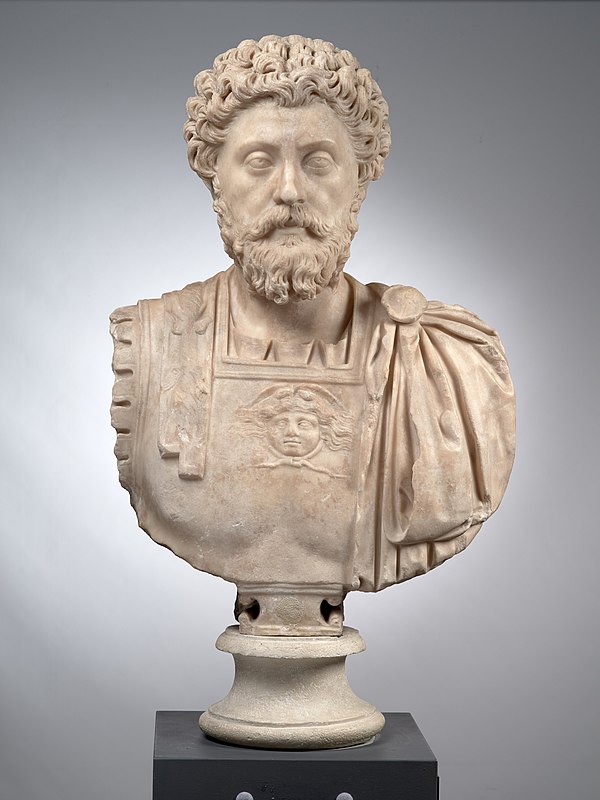
The Quiet Power of Humility
Marcus Aurelius reminds us that it is not the criticisms of others that wound us, but rather our own inflated sense of self. This poignant observation speaks to the heart of human experience, where our egos often become the greatest source of our suffering. In a world rife with judgment and comparison, understanding this truth can liberate us from the shackles of pride and defensiveness, allowing for a more authentic existence.
In a society that often equates self-worth with external validation, Aurelius's wisdom invites us to reflect on the nature of our self-perception. The injury we feel from others' words is often a reflection of our own insecurities and conceit. By recognizing that our suffering stems not from external refutations but from our internal struggles with pride, we can cultivate a deeper sense of humility and resilience, ultimately leading to a more peaceful and fulfilling life.
The image / the metaphor
At first glance, Aurelius's quote presents a stark contrast between the external and the internal. The act of refutation, a verbal or intellectual challenge, is depicted as an external force that can only harm us if we allow it to penetrate our defenses. The choice of the word "injures" evokes a visceral sense of pain, suggesting that the wounds we carry are often self-inflicted through our own conceit. This imagery invites us to examine the layers of our ego and the ways in which we react to perceived threats to our self-image.
Diving deeper into the metaphor, we can see that the real battle lies within. The "conceit" that Aurelius speaks of is not merely arrogance; it is a fragile construct of self-importance that can easily be shattered by the opinions of others. When we cling to this inflated self-image, we become vulnerable to the very criticisms we fear. Thus, the metaphor extends beyond mere words; it speaks to the fragility of our identity and the importance of cultivating a grounded sense of self that is not easily swayed by external judgments.
In the speaker's tradition
Marcus Aurelius's insights are deeply rooted in Stoic philosophy, which emphasizes the importance of inner virtue and the acceptance of external circumstances. Central to Stoicism is the concept of "apatheia," or the state of being free from destructive emotions, which aligns closely with Aurelius's assertion that our suffering is self-inflicted. This philosophy encourages practitioners to cultivate humility and recognize the transient nature of external validation, echoing themes found in other spiritual traditions such as the Buddhist concept of "sunyata," or emptiness, which teaches the relinquishment of ego and attachment.
In his seminal work, "Meditations," Aurelius often reflects on the nature of the self and the importance of aligning one's actions with virtue rather than external approval. He writes, "The happiness of your life depends upon the quality of your thoughts." This connection between thought and well-being reinforces the idea that our internal landscape shapes our experience of the world. By fostering humility and self-awareness, we can navigate life's challenges with grace and resilience, much like the Stoic sages who came before him.
Living the teaching
Consider a modern scenario where this teaching resonates: a workplace environment rife with competition and criticism. Imagine a colleague who openly challenges your ideas during a meeting. The immediate reaction might be defensiveness or anger, stemming from a sense of personal attack. However, if we embrace Aurelius's wisdom, we can shift our perspective. Instead of viewing the colleague's critique as a personal affront, we can see it as an opportunity for growth and reflection, allowing us to engage with humility and openness rather than pride and defensiveness.
This teaching also applies to our personal relationships. In moments of conflict, we may find ourselves hurt by a partner's words or actions. If we hold onto our conceit, we may react with bitterness or withdrawal, further straining the relationship. However, by recognizing that our pain often arises from our own inflated sense of self, we can approach the situation with empathy and understanding. This shift allows for deeper connection and healing, transforming potential conflict into an opportunity for growth and intimacy.
A reflection
As we contemplate Marcus Aurelius's profound insight, we are invited to examine our own lives and the ways in which our conceit may be causing us suffering. What are the moments when we feel most wounded by the words of others? In these instances, how can we cultivate a sense of humility that allows us to rise above our pride? Reflecting on these questions can guide us toward a more authentic and peaceful existence, rooted in self-awareness and compassion.




Join the BrightStar Community
Stay connected with daily inspiration, event announcements, and community wisdom