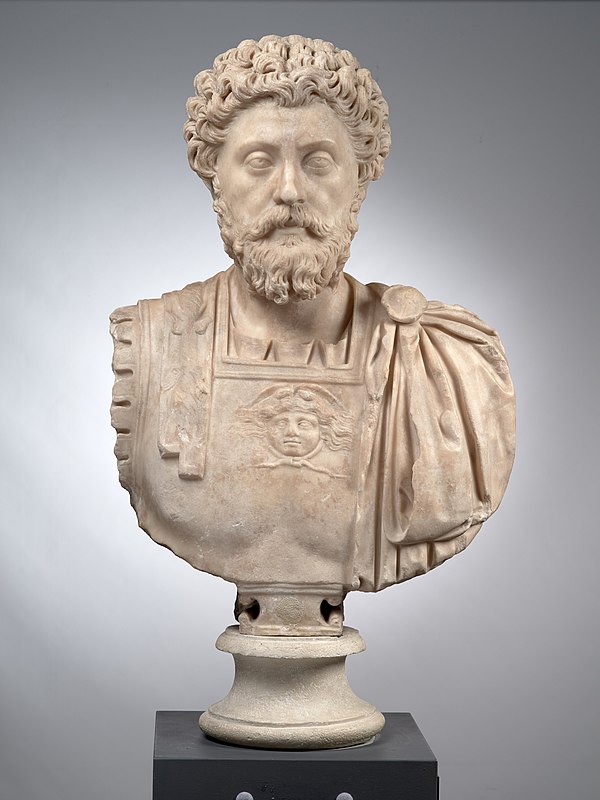
The Inner Fountain: Unearthing the Good Within
In the words of Marcus Aurelius, "Look within. Within is the fountain of good, and it will ever bubble up, if thou wilt ever dig." This profound invitation beckons us to explore the depths of our inner lives, suggesting that true goodness and virtue are not found in external circumstances but rather in the rich soil of our own consciousness. The stakes are high: in a world often preoccupied with external validation and material success, Aurelius reminds us that the most significant journey is the one that leads inward, where the essence of our character resides.
To "dig" within implies an active engagement with our inner selves, a commitment to self-exploration and introspection. This process is not merely passive reflection but an earnest excavation of our thoughts, feelings, and motivations. In doing so, we may uncover the wellspring of goodness that lies dormant, waiting to be tapped. This exploration is essential not only for personal growth but also for cultivating a life of integrity and purpose. Aurelius's wisdom resonates deeply in our contemporary context, where distractions abound and the noise of the outside world often drowns out the whispers of our inner truth.
The image / the metaphor
The imagery of a "fountain" evokes a sense of vitality and abundance, suggesting that the goodness within us is not a scarce resource but rather a flowing, ever-renewing source. The verbs "look" and "dig" imply both observation and effort, indicating that while the fountain exists, it requires our initiative to access it. This metaphor paints a picture of inner life as a landscape rich with potential, waiting for us to explore its depths. The bubbling of the fountain symbolizes the spontaneous emergence of positive qualities such as compassion, wisdom, and resilience when we engage with our inner selves.
In the speaker's tradition
Marcus Aurelius stands as a pivotal figure in the Stoic tradition, which emphasizes the importance of inner virtue and self-governance. Central to Stoicism is the concept of *eudaimonia*, often translated as human flourishing or well-being, which is achieved through the cultivation of virtue and wisdom. This aligns with the idea of digging within, as it suggests that our true nature is inherently good and that we must nurture it through self-reflection and ethical living. The Stoic practice of *ataraxia*, or tranquility of the mind, further underscores the importance of inner peace, which can only be attained by looking within and aligning our thoughts with our values.
In Aurelius's *Meditations*, he frequently reflects on the nature of the self and the importance of introspection. For instance, he writes about the necessity of examining our thoughts and actions to ensure they align with our higher principles. This echoes the teachings found in other philosophical traditions, such as Buddhism's concept of *sunyata*, or emptiness, which encourages a deep exploration of the self to uncover the true nature of reality. Both traditions invite us to look beyond the surface and engage with the profound depths of our inner lives.
Living the teaching
Consider a modern scenario where this teaching can be applied: a person facing a significant life decision, perhaps a career change or a relationship challenge. In the midst of external pressures and societal expectations, the individual may feel overwhelmed and uncertain. By taking the time to look within, to engage in self-reflection and honest inquiry, they can uncover their true desires and values. This inner exploration may reveal a passion for a different career path or the need to set boundaries in a relationship, ultimately leading to a more authentic and fulfilling life.
Another application of Aurelius's teaching can be found in the context of interpersonal relationships. Imagine a moment of conflict with a loved one, where emotions run high and misunderstandings abound. Instead of reacting impulsively, one can choose to dig within, examining their own feelings and motivations. This practice of introspection allows for greater empathy and understanding, fostering a more constructive dialogue. By looking within, we not only cultivate our own inner goodness but also create the space for healing and connection in our relationships.
A reflection
As we contemplate Marcus Aurelius's invitation to look within, we are called to consider the depths of our own inner lives. What treasures lie buried beneath the surface of our thoughts and emotions? In what ways can we commit to the practice of digging deeper, unearthing the goodness that resides within us? Reflecting on these questions can guide us toward a more intentional and meaningful existence, reminding us that the journey inward is not only a personal endeavor but a universal quest for truth and authenticity.




Join the BrightStar Community
Stay connected with daily inspiration, event announcements, and community wisdom