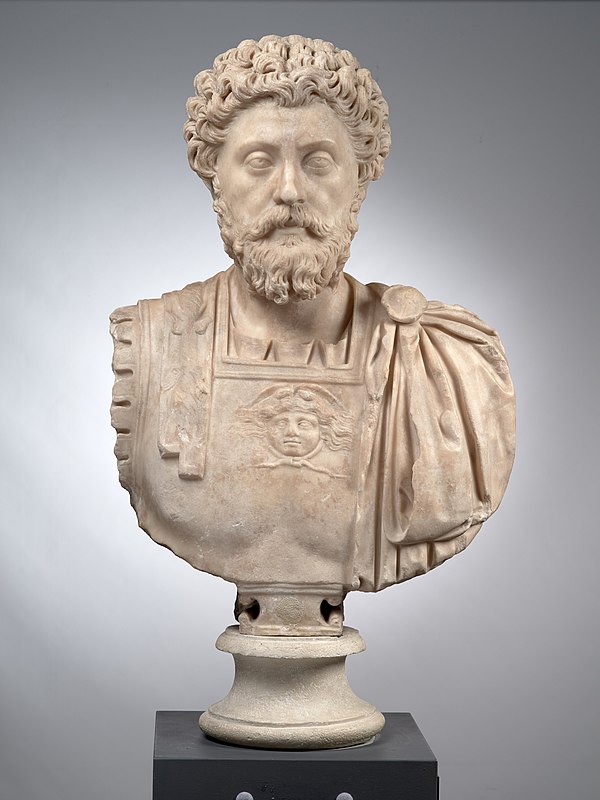
The Freedom of Inner Focus
Marcus Aurelius offers a profound insight when he states, "How much time he gains who does not look to see what his neighbor says or does or thinks." In essence, he highlights the immense value of redirecting our attention from the external world to our internal landscape. This shift is not merely a matter of preference; it is a fundamental aspect of personal growth and self-reliance. By liberating ourselves from the incessant need to monitor others, we reclaim precious time and energy that can be devoted to our own development and responsibilities.
In a world saturated with distractions and external judgments, Aurelius's wisdom resonates deeply. The act of comparing ourselves to others often leads to unnecessary anxiety and self-doubt, diverting us from our true path. By focusing on our own thoughts and actions, we cultivate a sense of freedom that allows us to engage with life more authentically. This teaching invites us to reflect on our priorities and encourages us to invest our energies in what truly matters: our own character and purpose.
The image / the metaphor
At first glance, Aurelius's quote evokes a vivid image of a person standing at a crossroads, faced with the choice of looking outward or inward. The verbs "look" and "see" suggest an active engagement with the world, yet they also imply a potential distraction. The phrase "what his neighbor says or does or thinks" conjures a sense of the cacophony of voices that can drown out our own inner wisdom. This imagery encapsulates the struggle between external validation and internal clarity, emphasizing the importance of choosing where to direct our gaze.
Diving deeper into the metaphor, we can perceive the "neighbor" not just as a physical person but as a representation of societal expectations and norms. The act of looking outward can be likened to a ship tossed upon the waves of public opinion, vulnerable to every gust of wind. In contrast, the one who turns inward becomes the captain of their own vessel, charting a course based on personal values and insights. This metaphor serves as a reminder that true wisdom lies not in the opinions of others but in the quiet understanding of oneself.
In the speaker's tradition
Marcus Aurelius's teachings are deeply rooted in Stoicism, a philosophy that emphasizes the importance of self-control, rationality, and virtue. Central to Stoic thought is the concept of focusing on what is within our control, akin to the Buddhist idea of dharma, which encourages individuals to follow their true path without being swayed by external influences. This alignment with one's inner truth fosters a sense of peace and resilience, allowing us to navigate life's challenges with grace.
In his 'Meditations,' Aurelius often reflects on the nature of the mind and its capacity for self-governance. He writes about the importance of maintaining a clear perspective, akin to the Stoic practice of premeditatio malorum, or the premeditation of evils, which prepares the mind for potential obstacles. By cultivating this inner strength, we can remain steadfast in our journey, undistracted by the noise of the outside world. This philosophical grounding reinforces the idea that true freedom arises from self-awareness and the conscious choice to focus on our own thoughts and actions.
Living the teaching
Consider a modern scenario where this teaching can be applied: imagine a workplace filled with gossip and competition. In such an environment, it is easy to become preoccupied with the opinions and actions of colleagues, leading to stress and distraction. By consciously choosing to focus on our own work and contributions, we can cultivate a sense of purpose and fulfillment that transcends the external chaos. This practice not only enhances our productivity but also fosters a healthier work atmosphere, as we model self-reliance and integrity.
Another application of Aurelius's wisdom can be found in personal relationships. When faced with conflict or misunderstanding, it is tempting to dwell on what the other person thinks or feels. However, by redirecting our focus inward, we can examine our own emotions and responses, leading to more constructive communication. This approach encourages empathy and understanding, allowing us to engage with others from a place of clarity rather than reaction. In both scenarios, the teaching serves as a guiding principle for navigating the complexities of life with intention and grace.
A reflection
As we contemplate Marcus Aurelius's insight, we are invited to consider how often we allow external influences to dictate our thoughts and actions. What would it mean for you to reclaim the time and energy spent on monitoring others? In what areas of your life could you benefit from a deeper focus on your own growth and responsibilities? This reflection challenges us to embrace the freedom that comes from self-awareness and to cultivate a life that is authentically our own.




Join the BrightStar Community
Stay connected with daily inspiration, event announcements, and community wisdom