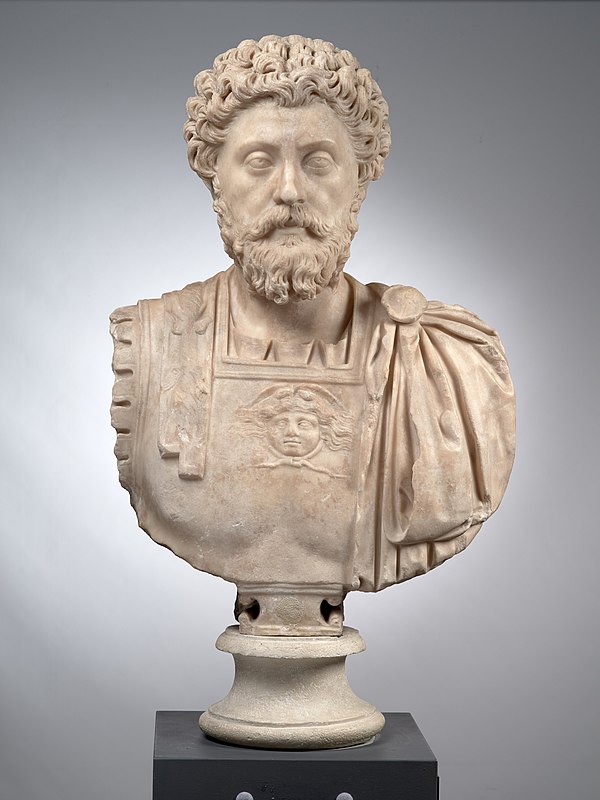
Embracing Freedom: The Art of Discarding Anxiety
In the profound words of Marcus Aurelius, "Today I escaped anxiety. Or no, I discarded it, because it was within me, in my own perceptions." This statement invites us to reflect on the nature of anxiety and its roots in our own minds. It suggests that the power to liberate ourselves from anxiety lies not in external circumstances but in our perceptions and interpretations of those circumstances. This realization is pivotal, as it empowers us to reclaim agency over our emotional states and cultivate a sense of inner peace.
As we delve deeper into Aurelius's insight, we recognize that anxiety often masquerades as an inevitable part of life, an external force that we must contend with. However, by acknowledging that it is a construct of our own perceptions, we begin to see the possibility of transformation. This shift in perspective is not merely an intellectual exercise; it is a profound invitation to engage with our inner landscape, to examine the beliefs and narratives that shape our experience of the world. In doing so, we can cultivate a more resilient and liberated self, one that is less tethered to the whims of external events.
The image / the metaphor
At the heart of Aurelius's quote lies a vivid imagery of escape and discarding. The act of escaping suggests a sudden release, a flight from the confines of anxiety, while the notion of discarding implies a deliberate choice to let go of something that no longer serves us. This duality captures the essence of our relationship with anxiety: it can feel both imprisoning and yet, paradoxically, within our control. The verbs chosen—"escaped" and "discarded"—evoke a sense of agency, emphasizing that we are not merely victims of our thoughts but active participants in our emotional well-being.
Diving deeper into the metaphor, we can envision anxiety as a heavy cloak that we wear, often without realizing it. To discard this cloak is to shed the weight of our own perceptions, to step into the lightness of being that comes from recognizing our power to choose how we respond to life's challenges. This imagery resonates with the Stoic practice of examining our thoughts and beliefs, encouraging us to confront the narratives that bind us and to liberate ourselves from their grasp.
In the speaker's tradition
Marcus Aurelius's insights are deeply rooted in the Stoic tradition, which emphasizes the importance of inner virtue and the cultivation of a resilient mind. Central to Stoicism is the concept of "dharma," or living in accordance with one's true nature, which aligns with Aurelius's assertion that anxiety is a product of our perceptions. In this context, the practice of "kenosis," or self-emptying, becomes relevant; it invites us to release our attachments to negative thoughts and emotions, thereby creating space for a more authentic experience of life.
Moreover, Aurelius's reflections echo the Buddhist concept of "sunyata," or emptiness, which teaches that our perceptions can cloud our understanding of reality. Just as the Stoics advocate for the examination of our thoughts to discern what is within our control, so too do Buddhist teachings encourage us to recognize the impermanence of our emotions. In both traditions, the path to freedom lies in the recognition that our internal landscape shapes our experience of the external world.
Living the teaching
Consider a modern scenario where this teaching can be applied: imagine a person facing a challenging work environment, filled with deadlines and high expectations. The anxiety that arises in such situations often feels insurmountable, leading to a cycle of stress and overwhelm. By embracing Aurelius's insight, this individual can begin to recognize that the anxiety stems not solely from the external pressures but from their own perceptions of those pressures. By consciously choosing to reframe their thoughts and focus on what they can control—such as their response to stress—they can begin to discard the anxiety that once felt inescapable.
In a different context, think about a relationship that has become strained due to misunderstandings and unspoken fears. The anxiety that permeates such interactions can often be traced back to our perceptions of the other person's intentions. By applying Aurelius's teaching, one might approach the relationship with a renewed perspective, choosing to communicate openly rather than allowing anxiety to dictate their responses. This shift not only fosters a healthier dynamic but also cultivates a deeper sense of connection and understanding, illustrating the transformative power of discarding anxiety in favor of clarity and compassion.
A reflection
As we contemplate the wisdom of Marcus Aurelius, we are invited to engage in a reflective practice: What perceptions or beliefs are currently contributing to my anxiety? This question encourages us to turn inward, to examine the narratives we hold about ourselves and the world around us. By identifying these perceptions, we can begin the process of discarding what no longer serves us, paving the way for a more liberated and peaceful existence. In this journey, we discover that the path to freedom is not found in external circumstances but in the quiet strength of our own minds.




Join the BrightStar Community
Stay connected with daily inspiration, event announcements, and community wisdom