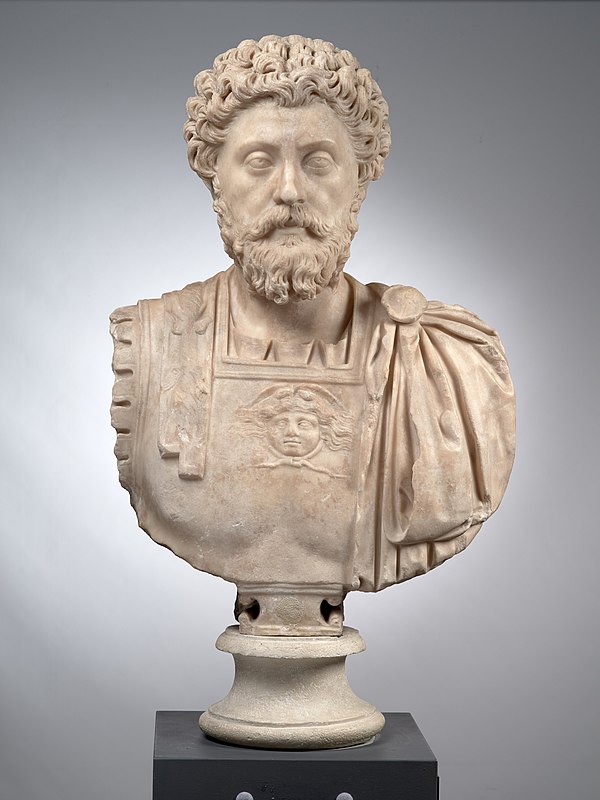
The Inner Landscape of Happiness
In the words of Marcus Aurelius, "Very little is needed to make a happy life; it is all within yourself, in your way of thinking." This profound assertion invites us to explore the essence of happiness as an internal state rather than a product of external circumstances. In a world often preoccupied with material gain and social validation, Aurelius reminds us that the key to a fulfilling life lies in our mindset and perspective. This insight is not merely philosophical; it has practical implications for how we navigate our daily experiences and relationships.
To delve deeper into this notion, we must consider the simplicity and depth of Aurelius's wisdom. Happiness, as he suggests, is not contingent upon wealth, status, or the approval of others. Instead, it is a cultivated state of being, rooted in our thoughts and attitudes. This perspective challenges us to reassess our priorities and recognize that the power to shape our emotional landscape resides within us. By embracing this understanding, we can foster resilience and contentment, regardless of external conditions.
The image / the metaphor
The imagery in Aurelius's quote evokes a sense of introspection and self-reliance. The phrase "very little is needed" suggests that happiness is not a grand achievement but rather a subtle, often overlooked aspect of our existence. The verbs "make" and "think" emphasize action and agency, indicating that we possess the ability to create our own happiness through conscious thought. This imagery invites us to envision happiness as a garden that flourishes with minimal care, requiring only our attention and intention to thrive.
Diving deeper into the metaphor, we can see that Aurelius is pointing to the transformative power of our inner dialogue. Our thoughts shape our perceptions, and by altering our thinking patterns, we can change our emotional responses. This notion aligns with the Stoic practice of cognitive reframing, where we learn to view challenges as opportunities for growth. In this light, happiness becomes an active choice, a deliberate cultivation of a mindset that embraces gratitude, acceptance, and resilience.
In the speaker's tradition
Marcus Aurelius stands as a central figure in the Stoic tradition, which emphasizes the importance of virtue, rationality, and self-control in achieving a good life. His teachings resonate with concepts such as *ataraxia*, the state of serene calmness, and *eudaimonia*, often translated as flourishing or human flourishing. These ideas suggest that true happiness arises from living in accordance with our rational nature and accepting the world as it is, rather than how we wish it to be. In this context, Aurelius's assertion becomes a call to align our thoughts with the Stoic virtues of wisdom, courage, justice, and temperance.
In his *Meditations*, Aurelius frequently reflects on the transient nature of life and the importance of focusing on what is within our control. For instance, he writes about the inevitability of change and the necessity of accepting our circumstances with grace. This acceptance is not passive resignation but an active engagement with reality, allowing us to cultivate a mindset that fosters happiness regardless of external conditions. Such reflections underscore the Stoic belief that our internal state is paramount in navigating life's challenges.
Living the teaching
Consider a modern scenario where this teaching can be applied: a person facing job loss. In the immediate aftermath, feelings of despair and uncertainty may arise, often fueled by societal expectations and personal fears. However, by embracing Aurelius's wisdom, this individual can shift their focus inward, recognizing that their worth and happiness are not defined by their employment status. Instead, they can cultivate a mindset of resilience, viewing this period as an opportunity for growth, exploration, and self-discovery. By reframing their thoughts, they can find contentment and purpose even amidst adversity.
Another application of this teaching can be found in interpersonal relationships. Imagine a situation where misunderstandings lead to conflict between friends. Instead of allowing frustration and resentment to dictate their feelings, both individuals can reflect on Aurelius's insight. By recognizing that their happiness is rooted in their responses and attitudes, they can choose to approach the situation with empathy and understanding. This shift in perspective not only fosters healing but also strengthens the bond between them, illustrating how the cultivation of a positive mindset can transform relational dynamics.
A reflection
As we contemplate Marcus Aurelius's assertion that "very little is needed to make a happy life," we are invited to explore the depths of our own inner landscape. What thoughts and beliefs are we holding onto that may be obstructing our happiness? In this moment of reflection, consider the ways in which you can shift your perspective to embrace a more joyful and fulfilling existence. What small changes in your thinking could lead to a profound transformation in your experience of life?




Join the BrightStar Community
Stay connected with daily inspiration, event announcements, and community wisdom