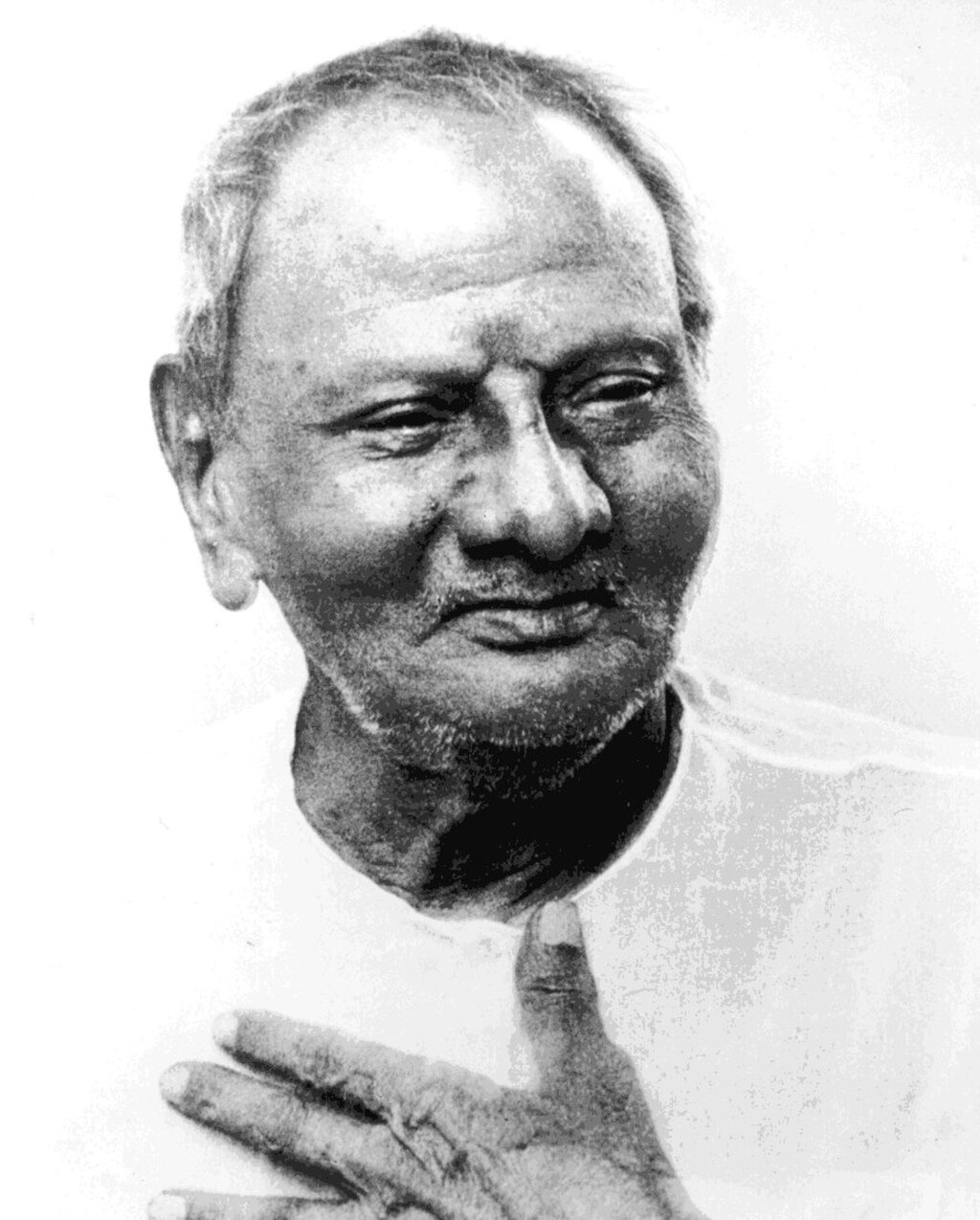
The Illusion of Attainment: Embracing the End of Goals
Nisargadatta Maharaj's assertion that "all goals end in their own dissolution" invites us to reflect on the transient nature of our aspirations and desires. At first glance, this statement may seem disheartening, suggesting that all our efforts ultimately lead to nothingness. However, it serves as a profound reminder of the impermanence inherent in our pursuits and the liberation that can arise from recognizing this truth. By understanding the ephemeral nature of goals, we can cultivate a deeper sense of presence and fulfillment in our lives.
This contemplation challenges the conventional view of success and achievement, urging us to reconsider what it means to strive for something. In a world that often equates worth with accomplishment, Maharaj's words beckon us to explore the deeper motivations behind our goals. Are we seeking external validation, or is there a more profound yearning for connection with our true selves? By examining the essence of our desires, we can begin to discern the difference between fleeting ambitions and the enduring quest for self-realization.
The image / the metaphor
The imagery within Maharaj's quote evokes a sense of inevitability, as if goals are like sandcastles built on the shore, destined to be washed away by the tide. The verbs "end" and "dissolution" carry a weight that speaks to the finality of our pursuits. This dissolution is not merely an end but a transformation, a return to the formless state from which all things arise. In this light, goals can be seen as temporary constructs that serve a purpose in our journey but ultimately fade away, leaving behind the essence of who we are.
In the speaker's tradition
Situated within the non-dual tradition, Maharaj's teaching resonates with concepts such as sunyata, or emptiness, and dharma, the natural order of things. The recognition that all goals ultimately dissolve aligns with the understanding that attachment to outcomes can lead to suffering. In this context, the practice of kenosis, or self-emptying, becomes essential. By relinquishing our attachment to specific goals, we open ourselves to the fullness of the present moment, allowing life to unfold without the constraints of expectation.
In the text "I Am That," Maharaj emphasizes the importance of self-inquiry and the realization of one's true nature beyond the transient goals of the ego. This echoes the teachings found in the Heart Sutra, which states that form is emptiness and emptiness is form. Both texts invite us to explore the interplay between form and formlessness, encouraging us to recognize that our true essence transcends the limitations of our aspirations. In doing so, we can cultivate a deeper sense of peace and acceptance in the face of life's inevitable changes.
Living the teaching
Consider a modern scenario where an individual is striving for a promotion at work. The relentless pursuit of this goal may lead to stress and anxiety, as the person becomes fixated on the outcome rather than the journey. By reflecting on Maharaj's teaching, they might begin to recognize that the promotion, while desirable, is ultimately a fleeting achievement. Instead of allowing the goal to define their worth, they can shift their focus to the present moment, finding fulfillment in their current work and relationships, regardless of external validation.
In a different context, imagine a relationship where one partner is fixated on the idea of achieving a perfect union. This fixation can lead to disappointment and frustration when reality falls short of their expectations. By embracing the notion that all goals end in dissolution, they can learn to appreciate the beauty of imperfection and the evolving nature of love. This perspective allows them to cultivate a deeper connection with their partner, rooted in acceptance and presence rather than unattainable ideals.
A reflection
As we contemplate the wisdom of Nisargadatta Maharaj, we are invited to consider the nature of our own goals and aspirations. What attachments do we hold that may be leading us away from the present moment? In recognizing the transient nature of our pursuits, we can begin to cultivate a deeper sense of peace and acceptance. How might our lives change if we embraced the dissolution of our goals as a pathway to greater self-awareness and connection with the world around us?



