The Depth of Witnessing: Embracing Awareness Beyond the Self
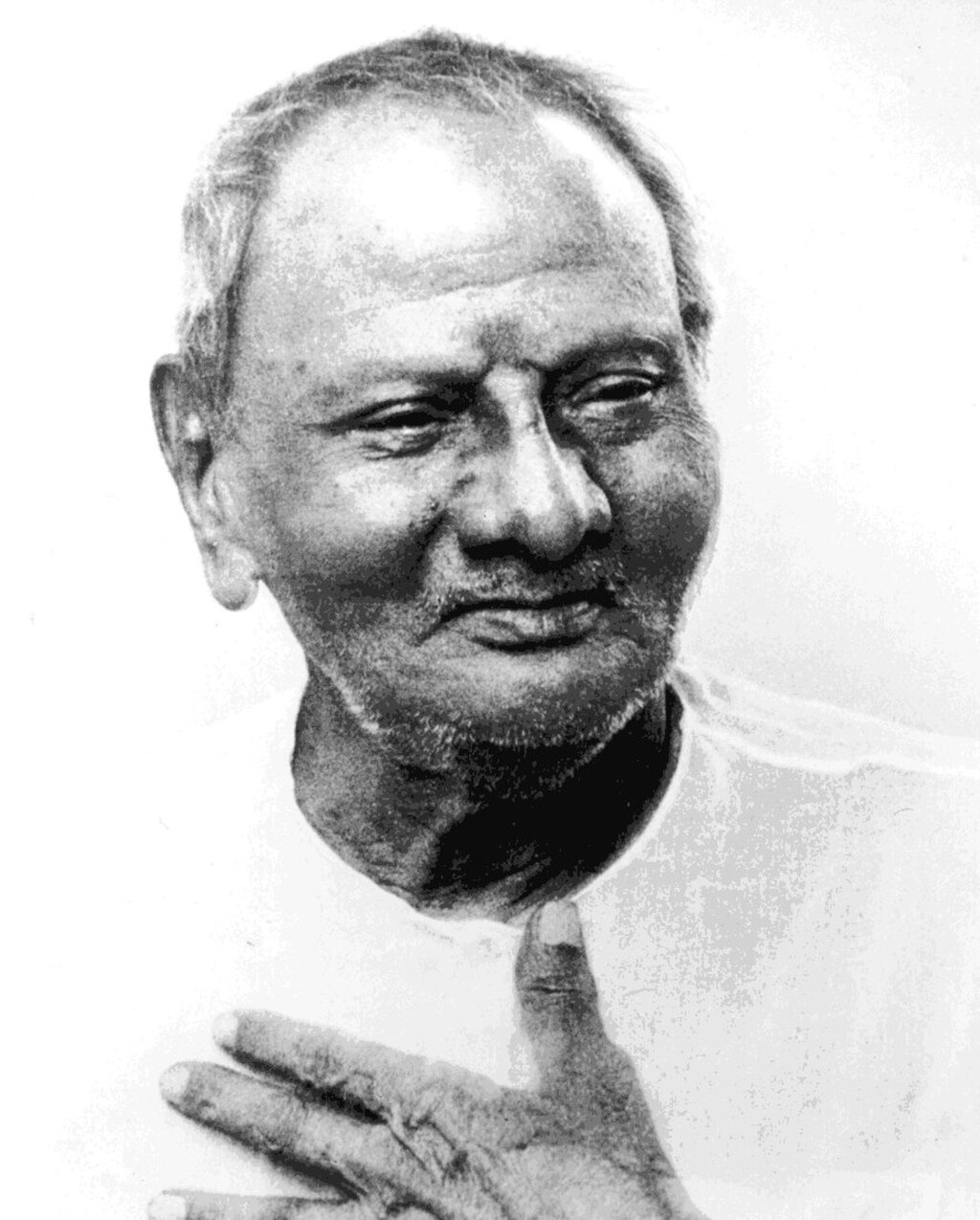
Nisargadatta Maharaj's profound statement, "Be the witness, even of your witnessing," invites us to explore the layers of awareness that exist within our consciousness. At its core, this quote challenges us to transcend the ordinary act of observing our thoughts and emotions, urging us instead to cultivate a deeper, more expansive sense of presence. This teaching matters because it points to the essence of non-dual awareness, where the distinction between the observer and the observed begins to dissolve, leading us toward a more profound understanding of our true nature.
In a world often dominated by distraction and superficial engagement, Maharaj's words serve as a gentle reminder to return to the essence of our being. The act of witnessing is not merely a passive observation; it is an active engagement with the flow of life, an invitation to recognize the interconnectedness of all experiences. By becoming the witness of our witnessing, we are encouraged to step back from the incessant chatter of the mind and embrace a more profound stillness, where clarity and insight can emerge. This practice is not just a philosophical exercise; it is a transformative journey into the heart of awareness itself.
The image / the metaphor
The imagery in Maharaj's quote evokes a sense of layered perception, where the act of witnessing becomes a multi-dimensional experience. To "be the witness" suggests an active role in observing one's thoughts, feelings, and experiences, while the phrase "even of your witnessing" introduces a meta-awareness that invites us to observe the observer. This duality creates a rich tapestry of consciousness, where we are not only participants in our lives but also the witnesses of our participation. The verbs chosen—"be" and "witness"—imply a state of being that is both grounded and expansive, urging us to embody a presence that transcends the ordinary.
Diving deeper into this metaphor, we can see that the act of witnessing is akin to standing on a riverbank, watching the flow of water without becoming entangled in its currents. The river represents the stream of thoughts and experiences, while the witness stands apart, observing the flow with a sense of detachment and clarity. This perspective allows us to recognize the transient nature of our thoughts and emotions, fostering a sense of peace and acceptance. By cultivating this deeper awareness, we can learn to navigate the complexities of life with grace, understanding that we are not merely the sum of our experiences but the conscious awareness that observes them.
In the speaker's tradition
Nisargadatta Maharaj's teachings are rooted in the non-dual tradition of Advaita Vedanta, which emphasizes the oneness of existence and the illusory nature of the individual self. Concepts such as *sunyata* (emptiness) and *fana* (annihilation of the self) resonate deeply with the idea of witnessing. In this context, the act of witnessing becomes a pathway to realizing the interconnectedness of all beings, dissolving the boundaries that separate us from the world around us. This perspective aligns with the notion of *kenosis*, or self-emptying, where one relinquishes the ego to embrace a more expansive sense of self that encompasses all of existence.
In his seminal work, *I Am That*, Maharaj articulates the importance of recognizing the distinction between the self and the witness. He encourages seekers to inquire into the nature of their own awareness, asking questions that lead to a deeper understanding of their true essence. This inquiry is reminiscent of the Buddhist practice of *prajna*, or wisdom, which invites practitioners to see through the illusions of the mind and recognize the fundamental nature of reality. By engaging in this process of self-inquiry, we can begin to embody the teaching of witnessing, ultimately leading us to the realization of our inherent unity with all that is.
Living the teaching
Consider a modern scenario where this teaching can be applied: imagine a moment of frustration during a challenging work meeting. Instead of becoming engulfed by the emotions that arise, one can practice being the witness of that frustration. By stepping back and observing the feelings without judgment, we create space for clarity and understanding. This practice allows us to respond thoughtfully rather than react impulsively, transforming a potentially negative experience into an opportunity for growth and insight.
In the realm of relationships, the teaching of witnessing can be particularly transformative. During a disagreement with a loved one, instead of becoming defensive or entrenched in one's position, one can adopt the role of the witness. By observing the dynamics of the conversation and recognizing the emotions at play, we can foster a deeper sense of empathy and connection. This approach not only enhances our understanding of the other person but also allows us to navigate the complexities of human interaction with greater ease and compassion.
A reflection
As we contemplate Nisargadatta Maharaj's invitation to "be the witness, even of your witnessing," we are called to explore the nature of our own awareness. What does it mean to witness our thoughts, emotions, and experiences without becoming entangled in them? In this moment of reflection, consider: how can you cultivate a deeper sense of presence in your daily life, allowing the witness within you to emerge and guide your journey toward greater understanding and connection?



