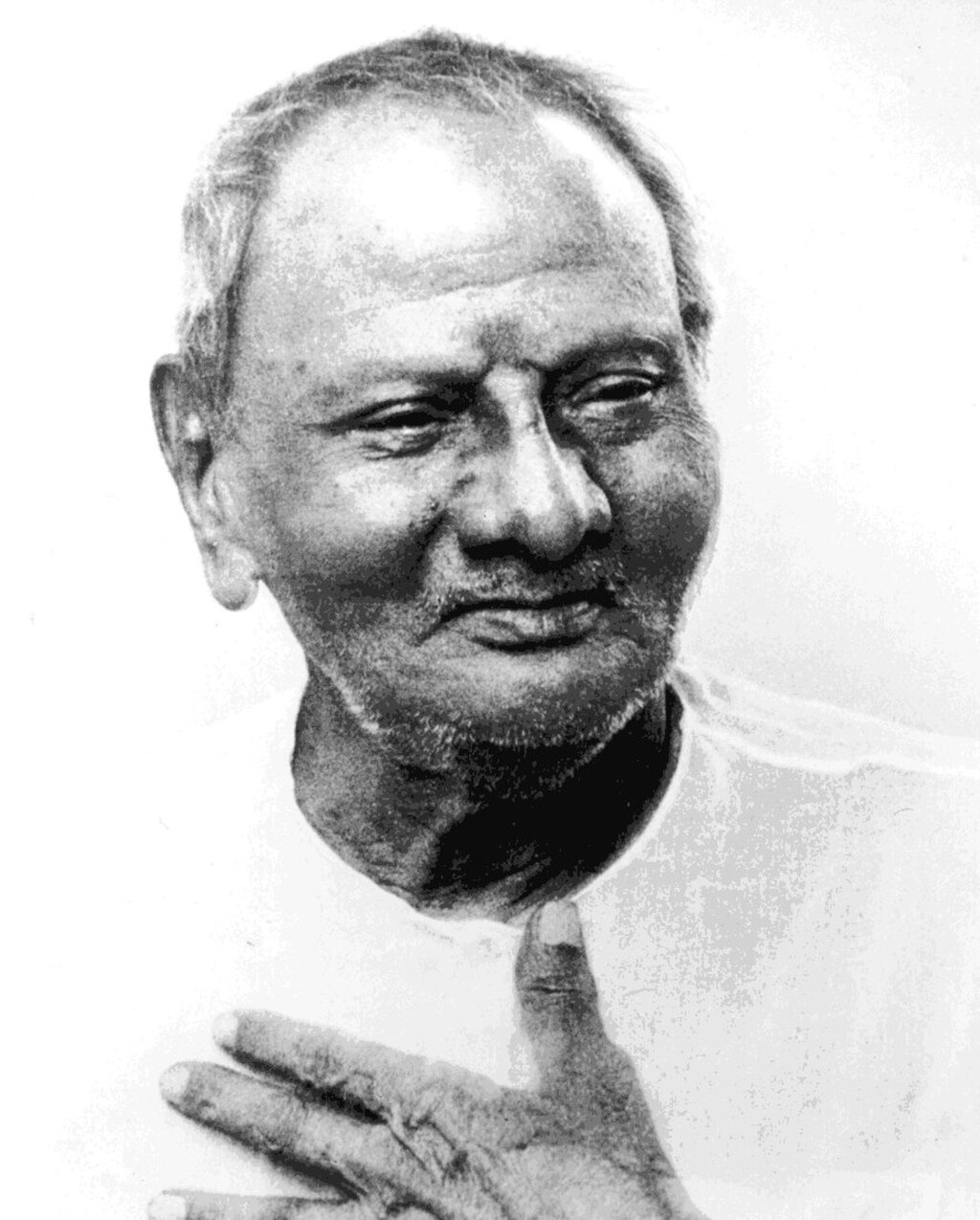
Embracing the Light of Awareness
“Do not be afraid of awareness.” This profound statement by Nisargadatta Maharaj invites us to confront the often daunting nature of self-awareness. In a world filled with distractions and superficial engagements, the call to embrace awareness can feel overwhelming. Yet, it is precisely through this awareness that we can uncover deeper truths about ourselves and our existence. The stakes are high: to avoid awareness is to remain ensnared in the illusions of the mind, while to embrace it is to step into the light of understanding and liberation.
Awareness, in this context, is not merely a passive observation of thoughts and feelings; it is an active engagement with the essence of our being. Nisargadatta’s invitation challenges us to look beyond the surface of our experiences and to confront the fears that often accompany deeper introspection. This journey into awareness is not just a solitary endeavor; it is a communal exploration of what it means to be human, to feel, and to exist in a world that often seems chaotic and uncertain. By shedding our fears, we open ourselves to the transformative power of awareness, allowing it to guide us toward a more authentic existence.
The image / the metaphor
The phrase “do not be afraid” evokes a sense of vulnerability and courage. It suggests that awareness, often perceived as a source of discomfort, can instead be a sanctuary of truth. The verb “be” implies a state of existence, a call to embody awareness rather than merely observe it from a distance. This imagery conjures the idea of stepping into a vast, open space where the light of understanding can illuminate the shadows of our fears and uncertainties.
Diving deeper into the metaphor, awareness can be likened to a mirror reflecting our innermost thoughts and feelings. Just as a mirror reveals our physical appearance, awareness unveils the layers of our psyche, exposing both beauty and blemish. The fear associated with this revelation often stems from a reluctance to confront what lies beneath the surface. However, by embracing awareness, we allow ourselves to engage with our true nature, fostering a sense of acceptance and compassion for ourselves and others.
In the speaker's tradition
Nisargadatta Maharaj’s teachings are rooted in the non-dual tradition, which emphasizes the interconnectedness of all existence. Concepts such as *advaita* (non-duality) and *sunyata* (emptiness) resonate deeply with the idea of awareness. In this framework, awareness is not merely a personal experience but a universal state of being that transcends individual identity. The fear of awareness can be seen as a fear of losing the ego, a theme prevalent in many spiritual traditions, including the notion of *kenosis*, or self-emptying, found in Christian mysticism.
In his seminal work, *I Am That*, Nisargadatta articulates the essence of self-realization as a journey toward understanding the true nature of the self. He encourages seekers to recognize that the fear of awareness is often rooted in the illusion of separation. By embracing the teachings of non-duality, one can find solace in the understanding that awareness is not something to be feared but rather a gateway to liberation and unity with all that is.
Living the teaching
Consider a modern scenario where one might feel overwhelmed by the demands of daily life—work pressures, family responsibilities, and societal expectations can create a cacophony of distractions. In such moments, the invitation to “not be afraid of awareness” becomes particularly poignant. Instead of retreating into avoidance, one can practice mindfulness, taking a moment to pause and breathe deeply. This simple act of awareness can transform a chaotic day into an opportunity for reflection, allowing one to reconnect with their inner self and gain clarity amidst the noise.
In the realm of relationships, the teaching of embracing awareness can be equally transformative. Imagine a conflict arising between partners, where emotions run high and misunderstandings abound. By choosing to engage with awareness, each person can take a step back, observing their feelings without judgment. This practice fosters empathy and understanding, allowing for a deeper connection that transcends the initial conflict. In both personal and relational contexts, the act of embracing awareness cultivates a space for healing and growth, illuminating the path toward authentic connection.
A reflection
As we contemplate Nisargadatta Maharaj’s invitation, we are called to examine our relationship with awareness. What fears arise when we consider the depths of our own consciousness? In what ways might we be avoiding the truths that awareness seeks to reveal? By reflecting on these questions, we can begin to dismantle the barriers that keep us from fully embracing our true selves, ultimately leading us toward a more profound understanding of our existence and our interconnectedness with all beings.



