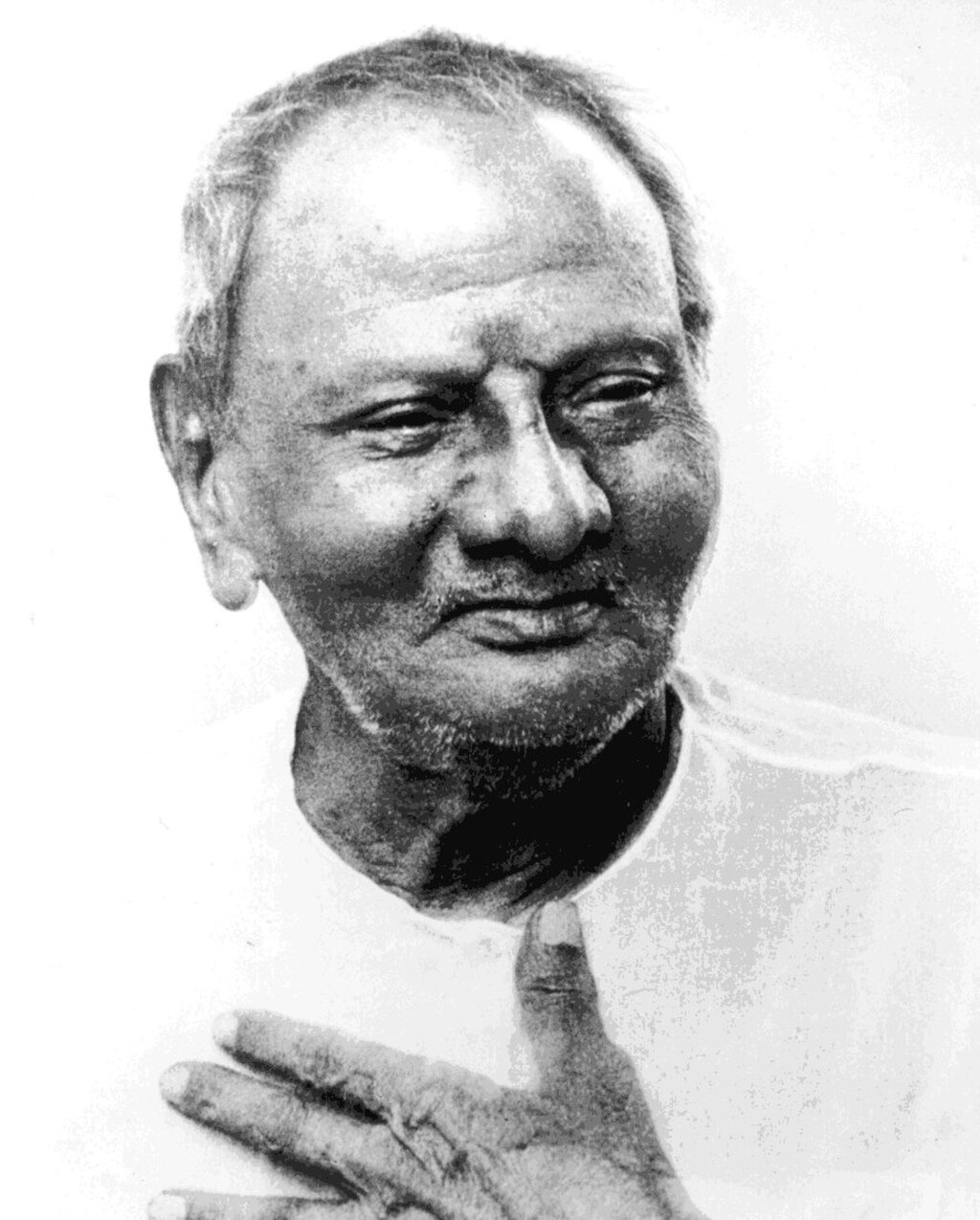
The Essence of Experience: A Journey Beyond Belief
Nisargadatta Maharaj's succinct directive, "Don't believe; experience," invites us to transcend the limitations of belief systems and engage directly with the essence of our existence. This quote serves as a clarion call to seekers, urging them to move beyond the confines of intellectual assent and into the realm of lived reality. In a world often dominated by dogma and preconceived notions, this teaching emphasizes the importance of personal experience as the foundation of true understanding. It challenges us to question the validity of our beliefs and to seek a deeper, more authentic connection with the nature of being.
At its core, this quote encapsulates a profound truth about the nature of knowledge and understanding. Belief can often act as a barrier, creating a separation between the seeker and the sought. In contrast, experience is immediate and visceral, offering a direct encounter with reality that belief alone cannot provide. This distinction is crucial in the spiritual journey, as it encourages us to engage with our inner selves and the world around us in a way that is unmediated by preconceived notions or external validation. The stakes are high; to truly know oneself and the universe, one must be willing to step into the unknown and embrace the richness of direct experience.
The image / the metaphor
The imagery in Maharaj's quote is striking in its simplicity yet profound in its implications. The verb "believe" suggests a passive acceptance, a mental agreement with concepts that may or may not resonate with our lived experience. In contrast, "experience" evokes a sense of active engagement, a dynamic interaction with the world that is rooted in the present moment. This shift from belief to experience is akin to moving from the shadows of a cave into the bright light of day, where one can see clearly and fully. It is an invitation to awaken from the slumber of unexamined assumptions and to step into the vibrant reality of existence.
Diving deeper into the metaphor, we can see that belief often serves as a crutch, providing comfort in uncertainty but ultimately hindering our growth. Experience, on the other hand, is the crucible in which true understanding is forged. It is through direct engagement with life—its joys, sorrows, challenges, and triumphs—that we come to know ourselves and our place in the cosmos. This metaphorical journey from belief to experience is not merely a shift in perspective; it is a transformative process that can lead to profound insights and a deeper sense of connection with all that is.
In the speaker's tradition
Nisargadatta Maharaj's teachings are deeply rooted in the non-dual tradition, which emphasizes the interconnectedness of all existence and the illusory nature of separateness. Concepts such as *sunyata* (emptiness) and *fana* (annihilation of the self) resonate with the essence of his message. In this context, the call to "experience" rather than "believe" aligns with the understanding that true realization comes from direct insight into the nature of reality, rather than adherence to doctrines or beliefs that may obscure our vision. This approach encourages practitioners to cultivate *prajna*, or wisdom, through direct experience, allowing them to see beyond the dualities of existence.
A relevant text that echoes this sentiment is the *Upanishads*, which often emphasize the importance of direct experience in the pursuit of truth. For instance, the *Chandogya Upanishad* speaks of the necessity of personal realization, stating that true knowledge is not merely intellectual but must be lived and felt. This aligns seamlessly with Maharaj's exhortation to prioritize experience over belief, as both traditions recognize that the ultimate truth cannot be encapsulated in words or concepts but must be encountered directly in the depths of one's being.
Living the teaching
Consider a modern scenario where this teaching can be applied: a person grappling with anxiety about their future. Often, such anxiety is rooted in beliefs about what might happen, shaped by past experiences and societal expectations. By shifting focus from these beliefs to the present moment—engaging fully with their current feelings, sensations, and surroundings—they can begin to experience life as it is, rather than through the lens of fear and anticipation. This practice of grounding oneself in the present can lead to a profound sense of peace and clarity, illustrating the transformative power of direct experience.
In the context of relationships, the teaching of "Don't believe; experience" can also be profoundly impactful. Many conflicts arise from assumptions and beliefs about the other person’s intentions or feelings. By choosing to engage directly with their partner—listening deeply, observing body language, and sharing openly—individuals can cultivate a richer, more authentic connection. This approach fosters understanding and compassion, allowing both partners to experience the relationship as it truly is, rather than through the filter of preconceived notions or judgments.
A reflection
As we contemplate the essence of Nisargadatta Maharaj's teaching, we are invited to reflect on our own lives: What beliefs are we holding onto that may be obscuring our direct experience of reality? In what ways can we cultivate a deeper engagement with our present moment, allowing ourselves to be fully alive to the richness of our experiences? This inquiry can serve as a guiding light on our spiritual journey, encouraging us to embrace the fullness of existence with open hearts and minds.



