Finding the Treasure Within
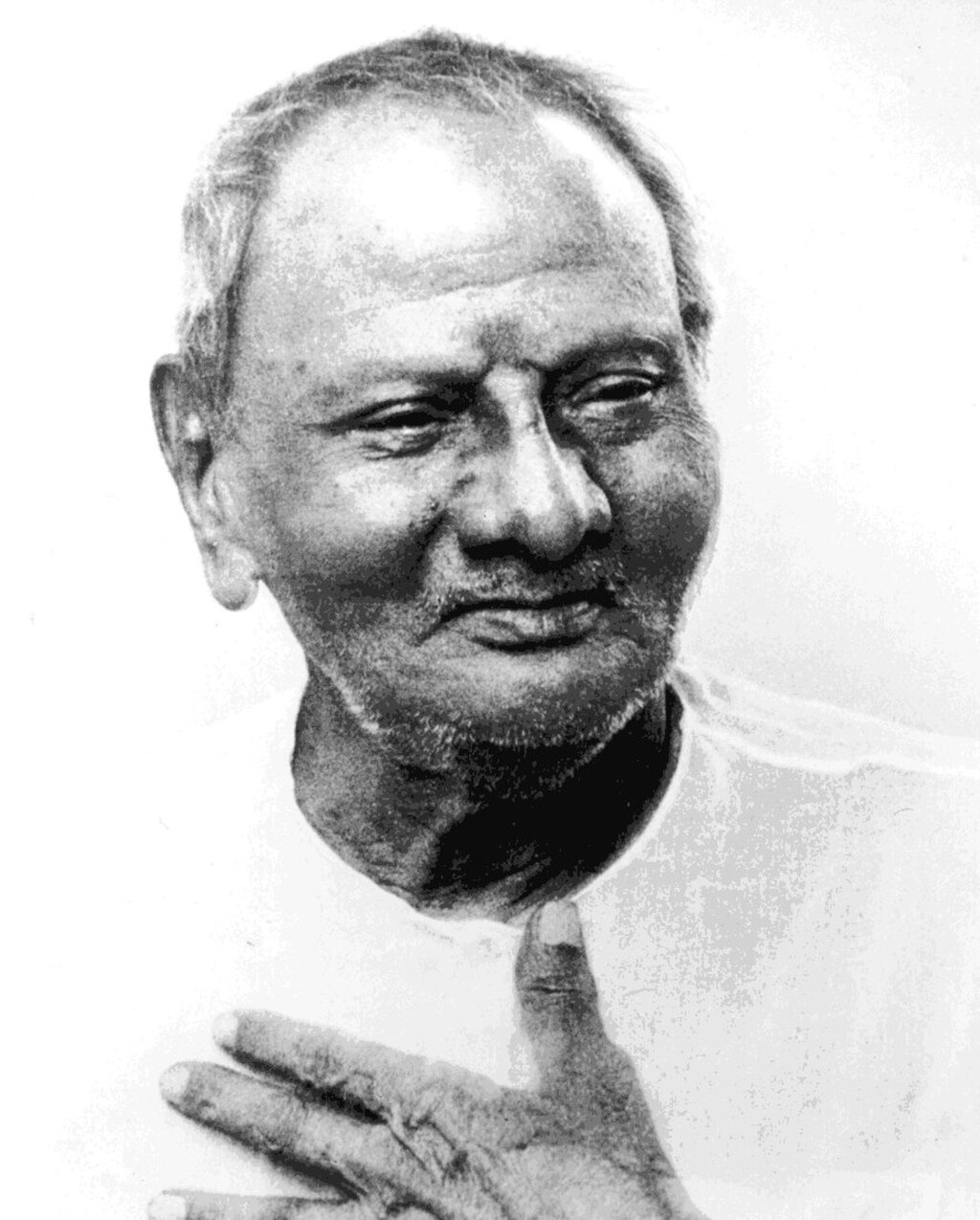
Nisargadatta Maharaj's profound exhortation, "Look within. Don't seek elsewhere," invites us to turn our gaze inward, suggesting that the answers we seek are not found in the external world but rather within our own consciousness. This call to introspection is not merely a suggestion; it is a radical shift in perspective that challenges the very foundation of how we typically pursue understanding and fulfillment. In a world that often equates happiness with external achievements and possessions, this teaching serves as a reminder of the rich inner landscape that lies dormant within each of us.
To truly grasp the weight of Maharaj's words, we must recognize the implications of looking within. It is an invitation to explore the depths of our being, to confront our fears, desires, and the myriad distractions that pull us away from our true essence. This journey inward is not always comfortable; it requires courage and a willingness to face the shadows that reside within. Yet, it is through this process of self-exploration that we may uncover the profound truths that lie at the core of our existence, illuminating the path to genuine understanding and peace.
The image / the metaphor
The imagery of "looking within" conjures a sense of introspection, evoking the idea of a treasure hunt where the most precious gems are hidden beneath layers of self-deception and societal conditioning. The verb "look" suggests an active engagement, a deliberate choice to redirect our attention from the chaos of the external world to the quiet depths of our inner selves. This act of looking is not passive; it requires a commitment to stillness and reflection, allowing us to sift through the noise and distractions that often cloud our perception.
Diving deeper into the metaphor, we can see that "seeking elsewhere" represents the futile chase for validation and fulfillment in external circumstances—be it relationships, material possessions, or societal approval. This pursuit often leads to a cycle of disappointment, as the external world is inherently transient and unreliable. In contrast, the act of looking within invites us to cultivate a sense of self-sufficiency and inner peace, revealing that the true source of our happiness and understanding lies not in what we acquire but in who we are at our core.
In the speaker's tradition
Nisargadatta Maharaj's teachings are deeply rooted in the non-dual tradition, which emphasizes the interconnectedness of all existence and the illusion of separation. Concepts such as *sunyata* (emptiness) and *fana* (annihilation of the self) resonate with the essence of looking within, as they encourage us to dissolve the boundaries of the ego and recognize our inherent unity with the universe. This perspective aligns with the notion of *prajna*, or wisdom, which arises from direct experience rather than intellectual understanding, urging us to seek truth through introspection rather than external validation.
In his seminal work, *I Am That*, Maharaj articulates the importance of self-inquiry as a means to uncover the true nature of the self. He draws upon the idea of *dharma*, or one's true path, suggesting that by looking within, we align ourselves with our authentic purpose. This alignment is not merely a personal journey; it is a collective awakening to the realization that we are all expressions of the same universal consciousness, and that the answers we seek are not separate from us but are, in fact, our very essence.
Living the teaching
Consider a modern scenario where an individual feels unfulfilled despite achieving professional success. This person may find themselves constantly seeking external validation through accolades, promotions, or social recognition. However, the teaching of looking within invites them to pause and reflect on their true desires and motivations. By engaging in practices such as meditation or journaling, they can begin to uncover the deeper yearnings of their heart, recognizing that true fulfillment comes not from external achievements but from aligning with their authentic self.
This teaching can also be applied in the context of relationships. Imagine a couple facing conflict, each partner feeling misunderstood and seeking validation from the other. Instead of projecting their needs outward, Maharaj's wisdom encourages them to look within, to explore their own insecurities and fears. By fostering self-awareness and compassion, they can approach each other with a deeper understanding, transforming their relationship from one of conflict to one of connection and mutual growth.
A reflection
As we contemplate the profound invitation to "look within," we are left with a contemplative question: What truths about myself have I been avoiding in my quest for external validation? This inquiry invites us to engage in a deeper exploration of our inner landscape, encouraging us to confront the fears and desires that may have been obscured by the noise of the outside world. In this journey of self-discovery, we may find that the answers we seek have always been within us, waiting patiently to be acknowledged and embraced.



