The Illusion of Self: Embracing Non-Dual Awareness
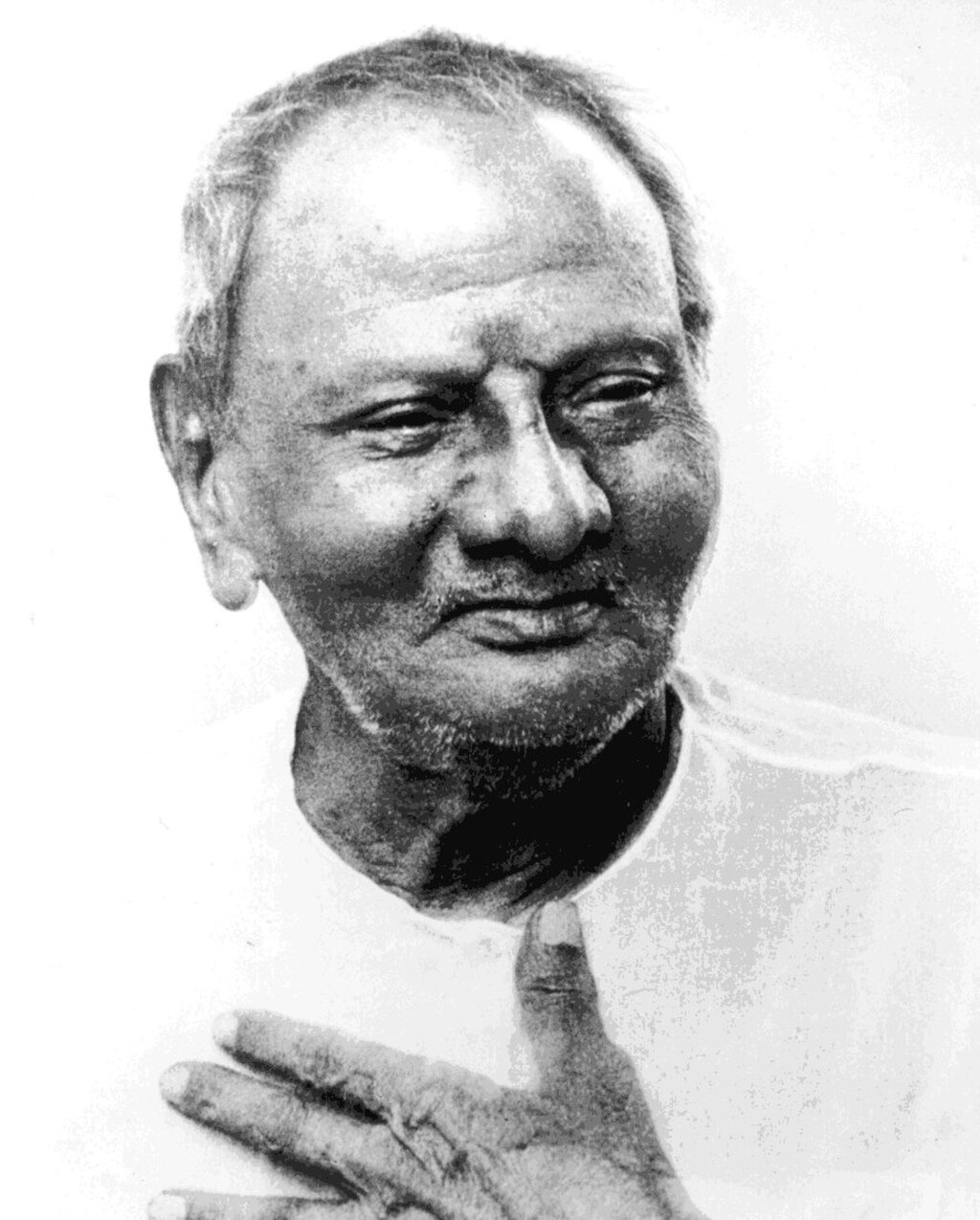
Nisargadatta Maharaj's profound assertion, "I am not, nor am I not. I am not even this thought," invites us to explore the intricate layers of identity and existence. In this statement, he challenges the very foundation of our self-concept, urging us to recognize the transient nature of thought and the ego. This inquiry into the essence of being is not merely philosophical; it holds the potential to liberate us from the confines of a limited self, opening pathways to a more expansive understanding of reality.
At the heart of this quote lies a radical invitation to question our assumptions about who we are. By declaring that he is neither defined by existence nor non-existence, Maharaj points to a deeper truth that transcends dualistic thinking. This exploration is crucial in a world where identity often becomes a source of suffering. To disentangle ourselves from the web of thought and ego is to embark on a journey toward authentic self-realization, where we can encounter the profound stillness of our true nature.
The image / the metaphor
The imagery in Maharaj's quote is striking in its simplicity yet profound in its implications. The phrase "I am not, nor am I not" evokes a sense of paradox, inviting us to suspend our usual modes of understanding. The verbs chosen—"am" and "not"—suggest a fluidity of existence that defies rigid definitions. This dance between being and non-being creates a felt sense of liberation, as if we are being gently nudged to step outside the confines of our habitual thought patterns.
Diving deeper into the metaphor, we can see that Maharaj is not merely playing with words; he is pointing to the essence of non-duality itself. The statement reflects the idea that our thoughts, often mistaken for our true selves, are ephemeral and insubstantial. By asserting that he is "not even this thought," Maharaj invites us to recognize the transient nature of our mental constructs. This realization can be both unsettling and liberating, as it encourages us to let go of the attachments that bind us to a limited sense of self.
In the speaker's tradition
Nisargadatta Maharaj's teachings are rooted in the non-dual tradition, which emphasizes the interconnectedness of all existence and the illusory nature of the ego. Concepts such as *sunyata* (emptiness) and *fana* (annihilation of the self) resonate deeply within this framework. In this context, the ego is seen as a construct that obscures our true nature, which is boundless awareness. Maharaj's assertion serves as a reminder that our identification with the ego is a veil that can be lifted through deep inquiry and contemplation.
Living the teaching
Consider a modern scenario where this teaching might resonate: a person grappling with self-doubt in their professional life. They may find themselves caught in a cycle of negative self-talk, identifying with their perceived failures and limitations. Maharaj's teaching invites them to step back and recognize that these thoughts do not define their essence. By practicing mindfulness and self-inquiry, they can begin to disentangle their true self from the transient thoughts that arise, fostering a sense of peace and clarity.
In the realm of relationships, this teaching can also be transformative. Imagine a conflict arising between two friends, where each person feels misunderstood and defensive. By applying Maharaj's insight, they can recognize that their egos are at play, creating a barrier to genuine connection. By letting go of the need to be right or to defend their identities, they can approach the situation with compassion and openness, allowing for a deeper understanding to emerge. This shift from ego to awareness can pave the way for healing and reconciliation.
A reflection
As we contemplate Maharaj's profound words, we are invited to reflect on the nature of our own identities. What thoughts or beliefs do we cling to that define us, and how might we begin to let them go? In this moment of inquiry, we can ask ourselves: "Who am I beyond my thoughts and labels?" This question serves as a doorway into the vastness of our true nature, encouraging us to explore the depths of our being with curiosity and openness.



