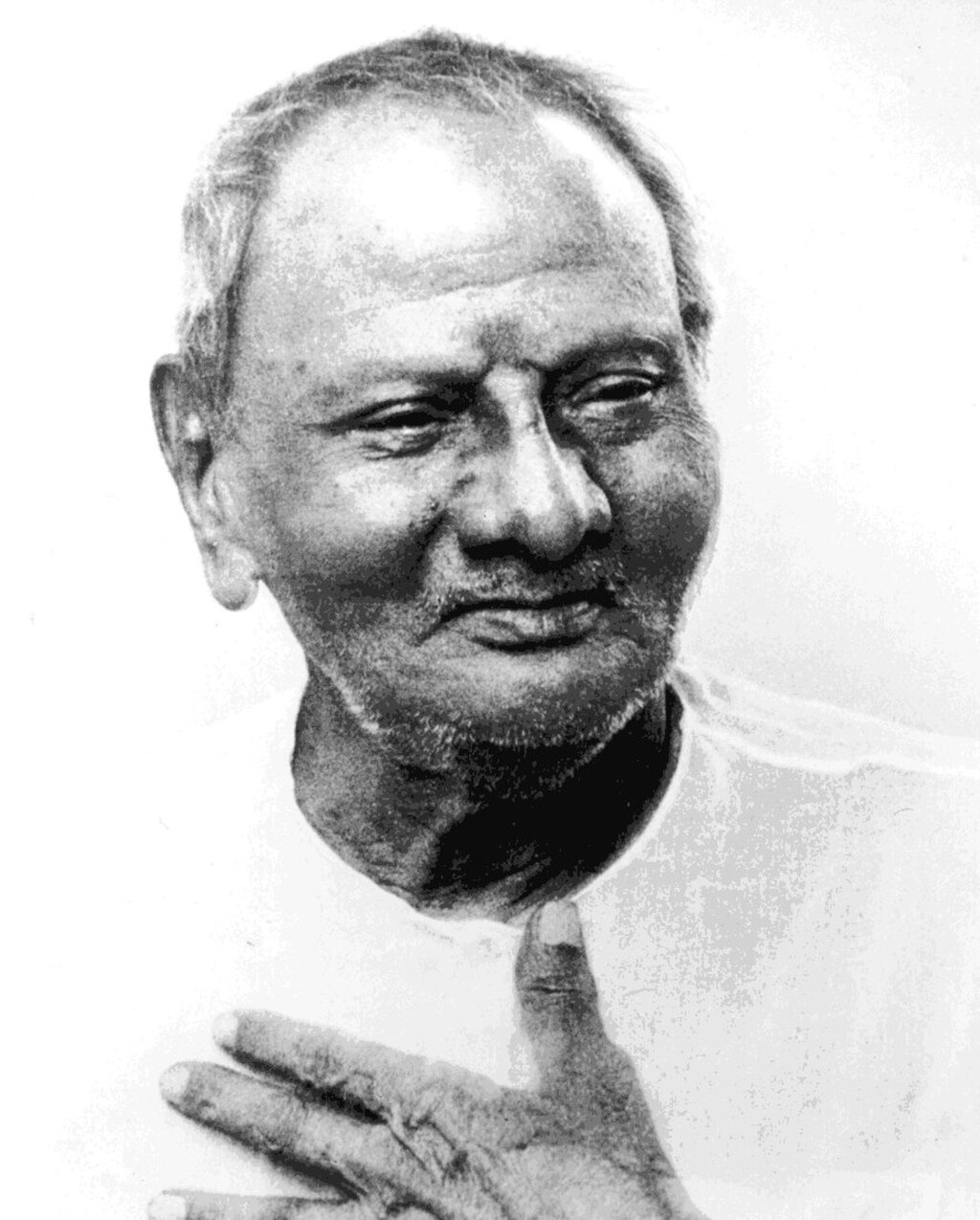
Embracing the Unity of Self and World
Nisargadatta Maharaj's profound assertion, "The self is not separate from the world; the world is the self," invites us to reconsider the boundaries we often draw between our individual identities and the vast tapestry of existence. This statement challenges the deeply ingrained notion of separateness that pervades our lives, urging us to recognize that our essence is intricately woven into the fabric of the universe. Understanding this interconnectedness is not merely an intellectual exercise; it has the potential to transform our experience of reality, fostering a sense of belonging and unity that transcends the illusion of isolation.
In a world characterized by division and conflict, Maharaj's words resonate with a profound urgency. They beckon us to explore the depths of our consciousness and the nature of our existence. By acknowledging that the self and the world are not distinct entities, we open ourselves to a more expansive understanding of life, one that embraces compassion, empathy, and a deep sense of responsibility toward all beings. This realization is not just philosophical; it is a call to action, urging us to live in harmony with ourselves and the world around us.
The image / the metaphor
The imagery embedded in Maharaj's quote evokes a sense of fluidity and wholeness. The verbs "is" and "separate" suggest a state of being that transcends conventional boundaries. When we contemplate the idea that the self and the world are one, we begin to perceive life as an intricate dance of energies, where each movement influences the other. This perspective invites us to feel the pulse of existence, recognizing that our thoughts, emotions, and actions ripple through the universe, shaping the reality we inhabit.
Diving deeper into this metaphor, we can envision the self as a wave in the ocean of consciousness. Just as a wave is not separate from the ocean, neither are we separate from the world around us. The wave rises and falls, yet it is always part of the greater whole. This understanding encourages us to embrace our individuality while simultaneously acknowledging our role within the larger context of existence. It is a reminder that our joys and sorrows are not isolated experiences but rather shared threads in the collective human tapestry.
In the speaker's tradition
Nisargadatta Maharaj's teachings emerge from the rich soil of non-dual philosophy, which emphasizes the fundamental unity of all existence. Concepts such as *advaita* (non-duality) and *sunyata* (emptiness) resonate deeply within this tradition, suggesting that the perceived dualities of self and other, subject and object, are ultimately illusory. In this light, the notion of *kenosis*, or self-emptying, becomes relevant, as it invites us to relinquish our attachments to a separate self and embrace the interconnectedness of all beings.
A compelling reference within this tradition is the *Upanishads*, which articulate the idea that the individual self (*atman*) is identical to the universal self (*Brahman*). This ancient wisdom echoes Maharaj's assertion, reinforcing the notion that our true nature is not confined to our personal identities but is, in fact, an expression of the infinite. By recognizing this unity, we can cultivate a deeper understanding of our place in the cosmos and the profound implications it holds for our relationships with others and the world.
Living the teaching
Consider a modern scenario where this teaching can be applied: a bustling city street filled with diverse individuals, each absorbed in their own lives. In such a setting, it is easy to feel disconnected, viewing others as mere strangers. However, when we embrace Maharaj's insight, we begin to see each person as a reflection of ourselves, each carrying their own joys, struggles, and aspirations. This shift in perspective can transform our interactions, fostering a sense of compassion and understanding that transcends superficial differences.
In the realm of relationships, this teaching can be particularly illuminating. Imagine a moment of conflict with a loved one, where emotions run high and misunderstandings abound. By recognizing that the self is not separate from the other, we can approach the situation with empathy, understanding that their feelings and experiences are as valid as our own. This awareness allows us to navigate conflicts with grace, fostering deeper connections and healing within our relationships. It becomes a practice of seeing ourselves in others, cultivating a sense of unity that enriches our lives.
A reflection
As we contemplate Nisargadatta Maharaj's profound statement, we are invited to reflect on our own perceptions of self and other. How often do we find ourselves operating from a place of separation, viewing ourselves as isolated entities in a vast world? In what ways can we begin to dissolve these boundaries, embracing the interconnectedness of all beings? This contemplation invites us to explore the depths of our consciousness and the transformative power of recognizing that the world is, indeed, a reflection of our true selves.



