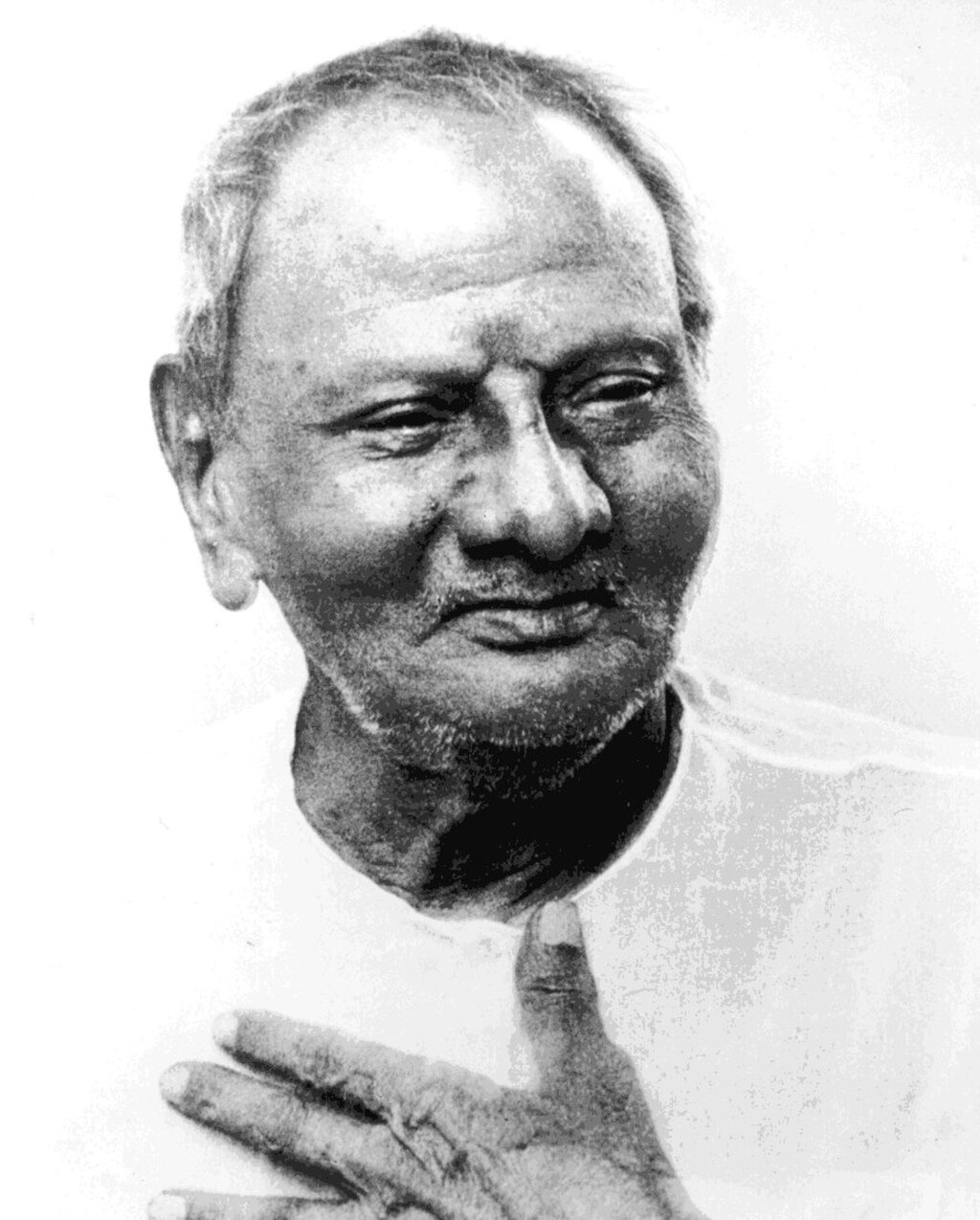
The Unborn Essence: Embracing the Eternal Within
Nisargadatta Maharaj's profound assertion, "The body is born and dies. You are not," invites us to explore the distinction between our transient physical existence and the eternal essence that underlies our being. This statement serves as a reminder that while our bodies are subject to the cycles of birth and decay, our true self remains untouched by these temporal changes. Understanding this distinction is crucial for navigating the complexities of life, as it encourages us to look beyond the superficial and connect with the deeper reality of our existence.
In a world that often prioritizes the material and the ephemeral, Maharaj's words resonate with a call to introspection. They challenge us to reconsider our identities, urging us to recognize that we are not merely our bodies or our thoughts, but rather the awareness that observes them. This realization can lead to profound liberation, allowing us to transcend the limitations imposed by our physical forms and societal roles. By embracing our true essence, we can cultivate a sense of peace and stability that remains unshaken by the inevitable changes of life.
The image / the metaphor
The imagery in Maharaj's quote starkly contrasts the transient nature of the body with the permanence of the self. The verbs "is born" and "dies" evoke a sense of finality and change, encapsulating the human experience of physical existence. In contrast, the phrase "You are not" suggests an unchanging reality that exists beyond the physical realm. This juxtaposition creates a powerful metaphor for understanding the duality of our experience—while our bodies are bound by time, our essence is not confined by such limitations.
Diving deeper into this metaphor, we can see that the body serves as a vessel through which we experience life, yet it is not the essence of who we are. The body may undergo transformations, face challenges, and ultimately succumb to mortality, but the awareness that perceives these experiences remains constant. This understanding invites us to cultivate a relationship with our essence, encouraging us to nurture the part of ourselves that is eternal and unchanging, rather than becoming overly attached to the fleeting nature of our physical forms.
In the speaker's tradition
Nisargadatta Maharaj's teachings are rooted in the non-dual tradition, which emphasizes the oneness of existence and the illusion of separateness. Concepts such as *sunyata* (emptiness) and *fana* (annihilation of the self) resonate deeply with his assertion that our true nature transcends the physical body. In this context, the body is seen as a temporary manifestation of a deeper reality, and the realization of our essence leads to liberation from the cycles of birth and death. This perspective aligns with the teachings of Advaita Vedanta, which posits that the ultimate truth is the non-dual awareness that underlies all existence.
A relevant text that echoes this sentiment is the *Upanishads*, which explore the nature of the self and the relationship between the individual and the universal. In the *Chandogya Upanishad*, it is stated, "Tat Tvam Asi" or "That Thou Art," emphasizing the unity of the individual self with the ultimate reality. This profound realization invites seekers to recognize that their essence is not separate from the divine, but rather an expression of it, reinforcing the message that while the body may perish, the true self remains eternal.
Living the teaching
Consider a modern scenario where this teaching can be applied: a person grappling with the loss of a loved one. In the midst of grief, it is easy to become consumed by the pain of separation, identifying solely with the loss of the physical presence. However, by reflecting on Maharaj's words, one can begin to understand that while the body of the loved one has passed, their essence—their love, wisdom, and impact—continues to exist in the memories and hearts of those they touched. This shift in perspective can provide solace and a deeper connection to the enduring nature of love, transcending the limitations of physical existence.
Another application of this teaching might arise in the context of personal relationships. When conflicts arise, it is common to become entangled in the drama of the moment, identifying with our roles and reactions. By remembering that we are not merely our bodies or our emotions, we can approach these situations with greater compassion and understanding. Recognizing the eternal essence within ourselves and others allows us to respond from a place of love rather than fear, fostering deeper connections and healing within our relationships.
A reflection
As we contemplate Nisargadatta Maharaj's profound statement, we are invited to explore the nature of our own existence. What does it mean to you to recognize that while your body may be born and die, your essence remains untouched? In moments of challenge or loss, how can you cultivate a deeper awareness of your eternal self, allowing it to guide you through the impermanence of life?