Bridging the Chasm: The Journey from Mind to Heart
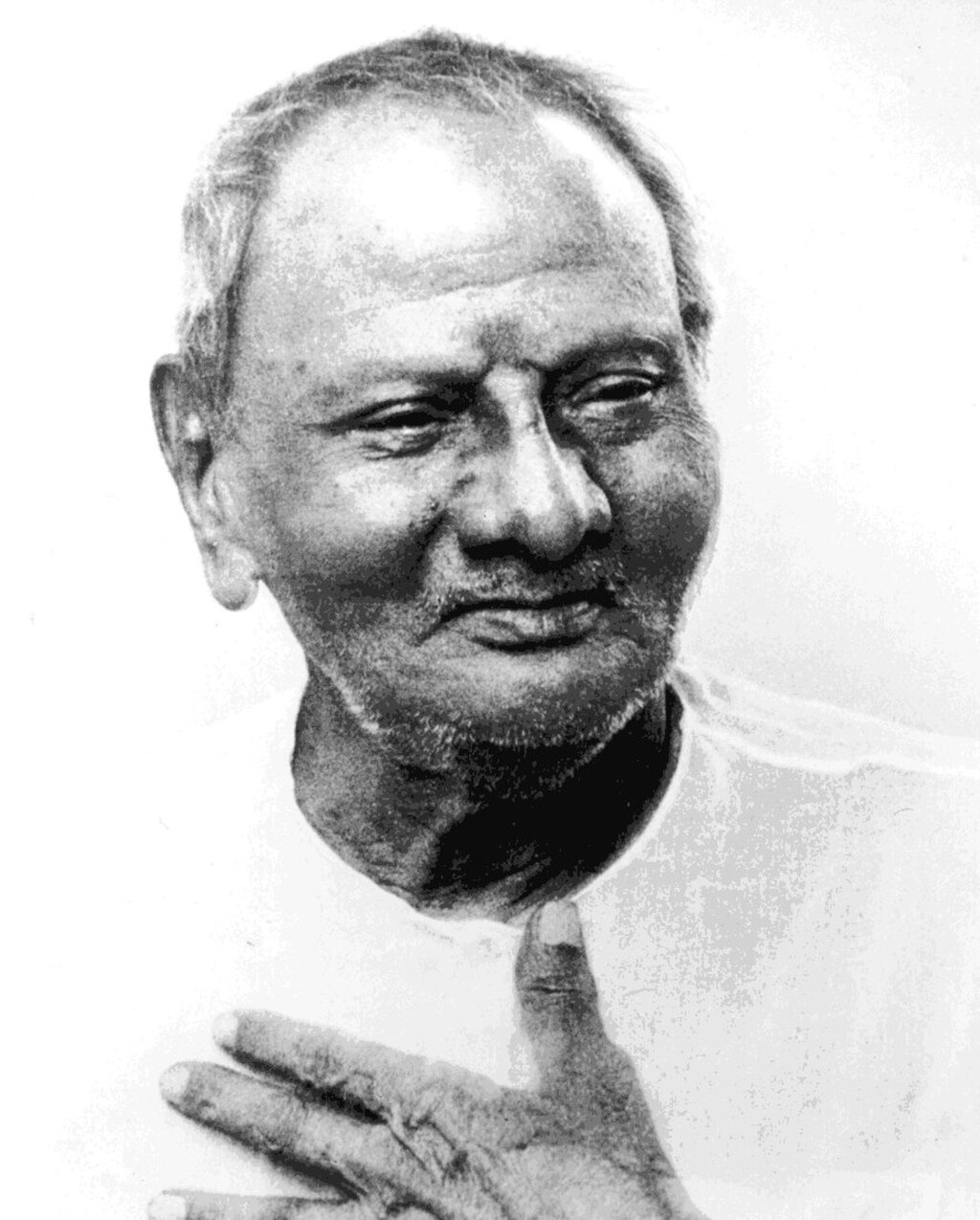
Nisargadatta Maharaj's profound statement, "The mind creates the abyss, the heart crosses it," invites us to explore the intricate relationship between our thoughts and our emotional essence. In this quote, the mind is portrayed as a creator of separation and distance, while the heart embodies the capacity for connection and transcendence. This distinction is crucial in our spiritual journey, as it highlights the often-overlooked power of the heart in navigating the complexities of existence. Understanding this dynamic can lead to a more harmonious life, where we learn to bridge the gaps that our minds construct.
Delving deeper, we recognize that the mind often dwells in the realm of duality, crafting narratives that can lead to feelings of isolation and despair. In contrast, the heart represents a space of unity and compassion, a place where we can find solace and understanding. This dichotomy between the mind and heart is not merely a philosophical concept but a lived experience that many encounter daily. By acknowledging the abyss created by our thoughts and embracing the heart's ability to cross it, we can cultivate a more profound sense of peace and connection in our lives.
The image / the metaphor
The imagery in Maharaj's quote is striking, evoking a sense of distance and longing. The "abyss" conjures visions of a vast chasm, a void that separates us from our true selves and from others. The choice of the word "creates" suggests an active role of the mind in constructing barriers, emphasizing its tendency to generate fear, doubt, and separation. Conversely, the heart's act of "crossing" implies movement, courage, and the potential for transformation. This juxtaposition of stillness and action, of separation and connection, encapsulates the essence of our spiritual journey.
Going deeper into the metaphor, we can see that the abyss symbolizes not just emotional distance but also the existential struggles we face. It represents the fears and anxieties that arise from our thoughts, often leading us to feel disconnected from ourselves and the world around us. The heart, in its crossing of this abyss, embodies the qualities of love, trust, and vulnerability. This crossing is not merely a physical act but a profound inner journey, where we learn to navigate our fears and embrace the fullness of our being. It is a reminder that while the mind may create barriers, the heart holds the key to overcoming them.
In the speaker's tradition
Nisargadatta Maharaj's teachings are rooted in the non-dual tradition, which emphasizes the interconnectedness of all existence. Concepts such as *sunyata* (emptiness) and *bhakti* (devotion) resonate deeply with the essence of this quote. The mind's creation of the abyss can be seen as an illusion, a product of our attachment to dualistic thinking. In contrast, the heart's ability to cross this chasm aligns with the non-dual understanding that our true nature transcends these fabricated divisions, revealing the inherent unity of all beings.
In his seminal work, *I Am That*, Maharaj often speaks of the importance of recognizing the illusory nature of the mind. He encourages seekers to turn their attention inward, to the heart, where true understanding and connection reside. This aligns with the teachings of other non-dual texts, such as the *Upanishads*, which emphasize the realization of the Self beyond the confines of thought. By embracing the heart's wisdom, we can transcend the limitations imposed by the mind and experience the fullness of our existence.
Living the teaching
Consider a modern scenario where this teaching can be applied: a person facing a significant life decision, perhaps a career change or a relationship challenge. The mind may generate a multitude of fears and doubts, creating an overwhelming sense of confusion and anxiety. In this moment, the individual can choose to pause and turn inward, allowing the heart to guide them. By connecting with their deeper feelings and intuition, they can find clarity and direction, crossing the abyss of uncertainty with courage and trust.
Another application of this teaching can be found in interpersonal relationships. Imagine a conflict arising between two friends, where misunderstandings and hurt feelings create an emotional chasm. The mind may amplify grievances, leading to defensiveness and separation. However, if both individuals can access their hearts, they can approach the situation with empathy and compassion. By crossing the abyss of their misunderstandings, they can foster healing and connection, transforming the conflict into an opportunity for deeper understanding and growth.
A reflection
As we contemplate Nisargadatta Maharaj's insightful words, we are invited to reflect on our own lives: What abysses have I created through my thoughts, and how can I allow my heart to guide me across them? This question encourages us to examine the barriers we construct and to seek the courage to transcend them. In doing so, we open ourselves to the possibility of deeper connection, both with ourselves and with others, ultimately leading us toward a more harmonious existence.



