Awakening to the Essence of Awareness
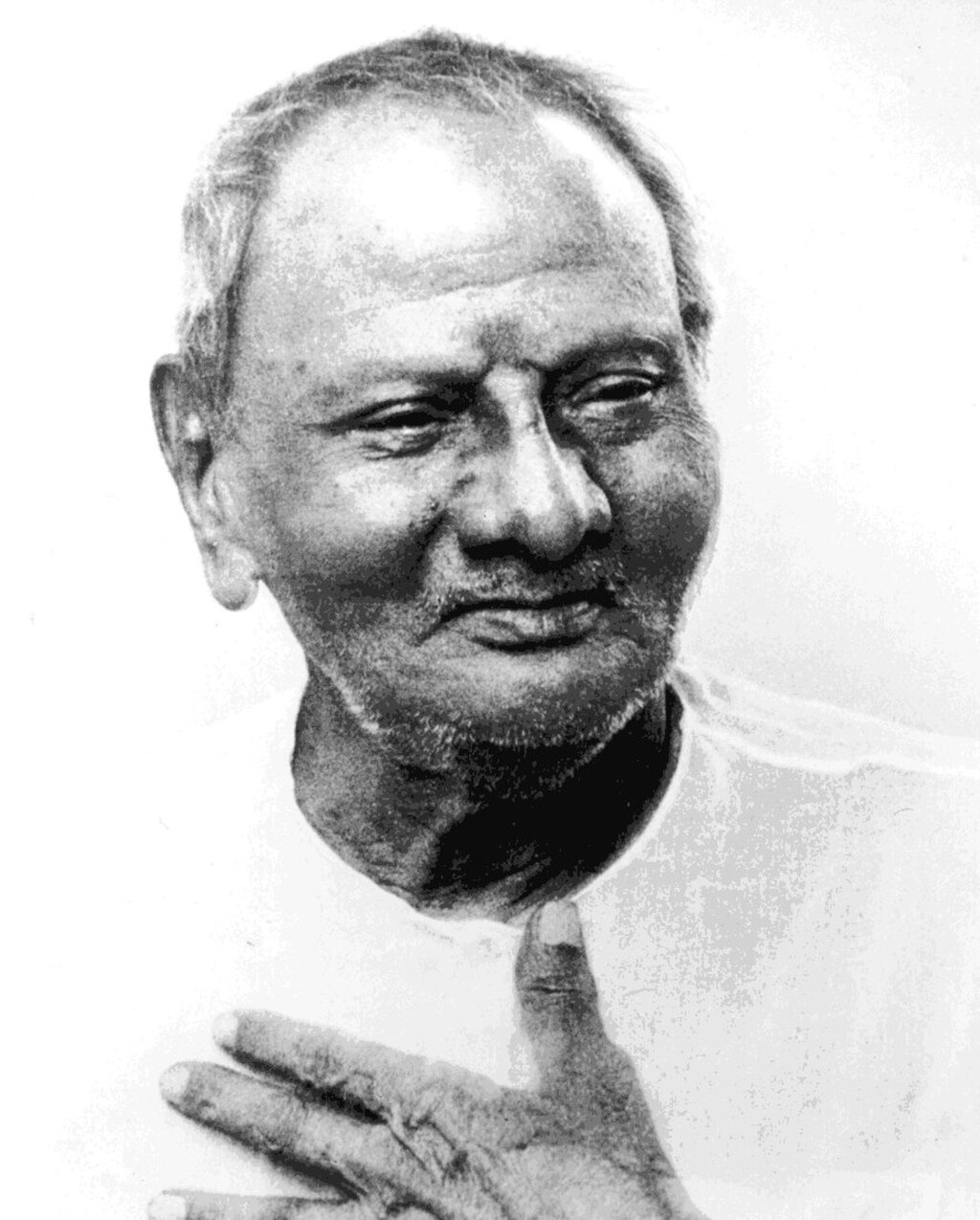
The quote by Nisargadatta Maharaj, "The mind seeks formulation. Awareness recognizes truth," encapsulates a profound dichotomy between the restless nature of the mind and the serene clarity of awareness. In this statement, Maharaj invites us to explore the distinction between our incessant mental activity—our thoughts, concepts, and narratives—and the deeper, unconditioned awareness that perceives reality as it is. This distinction is crucial, as it highlights the path toward spiritual awakening, where recognizing the truth transcends the limitations imposed by the mind.
In a world dominated by constant information and the relentless pursuit of understanding, this quote serves as a gentle reminder of the importance of cultivating awareness. The mind, with its tendency to categorize and define, often obscures the essence of truth, which is inherently simple and direct. By recognizing the nature of awareness, we can begin to disentangle ourselves from the mental constructs that bind us, allowing for a more profound engagement with the present moment and the reality that unfolds within it.
The image / the metaphor
The imagery in Maharaj's quote evokes a sense of duality: the mind, characterized by its incessant need for formulation, stands in contrast to the stillness of awareness that simply recognizes truth. The verb "seeks" implies a restless pursuit, a chase after thoughts and ideas that can never fully encapsulate the essence of reality. In contrast, "recognizes" suggests a passive yet profound engagement with truth, one that does not require the embellishments of the mind. This juxtaposition invites us to consider how often we allow our thoughts to dictate our understanding of the world, rather than simply observing and experiencing it.
Diving deeper into the metaphor, we can see that the mind's formulations are akin to clouds obscuring the sun. While the clouds may momentarily block our view, they do not alter the sun's existence; they merely obscure our perception of it. Similarly, the mind's incessant chatter can cloud our awareness, preventing us from directly experiencing the truth that lies beneath. This metaphor encourages us to cultivate a practice of stillness and observation, allowing the clouds of thought to dissipate so that we may bask in the light of awareness.
In the speaker's tradition
Nisargadatta Maharaj's teachings are rooted in the non-dual tradition, which emphasizes the unity of existence and the illusory nature of separateness. Concepts such as *sunyata* (emptiness) and *prajna* (wisdom) resonate deeply with the essence of his quote. In this context, the mind's formulations represent the myriad distractions that arise from the illusion of duality, while awareness serves as the gateway to recognizing the underlying truth of our interconnectedness. The practice of *kenosis*, or self-emptying, aligns with this teaching, as it encourages us to let go of our mental constructs to experience the fullness of being.
In his seminal work, *I Am That*, Maharaj often refers to the idea of the "I" as a construct of the mind, which can lead us away from the recognition of our true nature. He invites us to inquire into the nature of this "I," suggesting that the more we cling to our mental formulations, the further we stray from the truth of our existence. This inquiry is not merely an intellectual exercise but a profound spiritual practice that can lead to liberation from the confines of the mind.
Living the teaching
Consider a modern scenario where the teaching of Maharaj's quote can be applied: a busy professional overwhelmed by deadlines and expectations. In this context, the mind is constantly formulating plans, strategies, and worries, creating a cycle of stress and anxiety. By cultivating awareness—perhaps through mindfulness practices or moments of stillness—this individual can begin to recognize the truth of their situation: that the present moment is not defined by the chaos of thoughts but by the simple act of being. This shift in perspective can lead to a more grounded and peaceful approach to work and life.
In relationships, the teaching can manifest in moments of conflict or misunderstanding. Often, we find ourselves caught in the web of our thoughts, interpreting actions and words through the lens of our mental formulations. By stepping back and cultivating awareness, we can recognize the truth of our shared humanity and the love that underlies our interactions. This practice of awareness allows us to respond with compassion rather than react from a place of misunderstanding, fostering deeper connections and healing within our relationships.
A reflection
As we contemplate the essence of Maharaj's quote, we are invited to reflect on our own relationship with the mind and awareness. How often do we find ourselves lost in the formulations of thought, missing the truth that lies just beneath the surface? In moments of stillness, we can ask ourselves: What is it that I truly recognize when I let go of my mental constructs? This question serves as a gateway to deeper understanding and connection with the essence of our being.