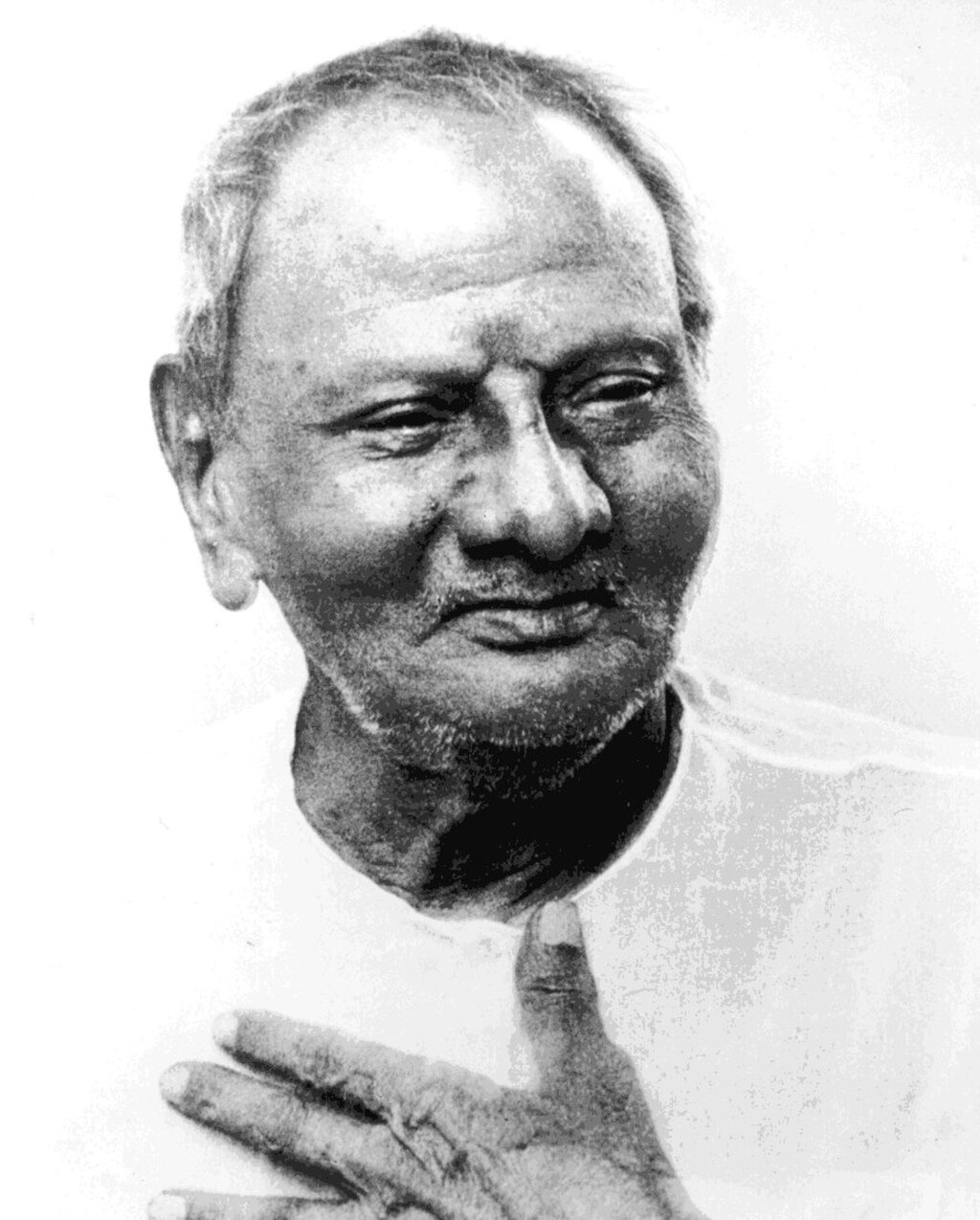
The Eternal Witness: Unraveling the Self
In the profound words of Nisargadatta Maharaj, "The self is the witness, eternal and unchanging." This statement invites us to explore the essence of our being beyond the transient experiences of life. It beckons us to recognize a deeper aspect of ourselves that remains untouched by the fluctuations of thought, emotion, and circumstance. Understanding this concept is not merely an intellectual exercise; it holds the potential to transform our relationship with ourselves and the world around us.
At the heart of this teaching lies an invitation to shift our perspective from the ephemeral to the eternal. By identifying the self as a witness, Maharaj encourages us to observe our thoughts and feelings without becoming entangled in them. This distinction is crucial, as it allows us to cultivate a sense of detachment and clarity, ultimately leading to a more profound understanding of our true nature. In a world that often emphasizes the importance of identity and personal narrative, this teaching serves as a gentle reminder of the unchanging essence that lies beneath the surface.
The image / the metaphor
The imagery of the "witness" evokes a sense of spaciousness and neutrality. It suggests a vantage point from which we can observe the unfolding drama of our lives without being swept away by it. The verbs "is" and "witness" imply a state of being that transcends the temporal; they invite us to consider a self that is not defined by its experiences but rather exists as a constant observer. This perspective can be likened to a vast sky that remains unchanged despite the passing clouds, storms, and sunshine.
In the speaker's tradition
Nisargadatta Maharaj's teachings are rooted in the non-dual tradition, which emphasizes the interconnectedness of all existence and the illusion of separateness. Concepts such as *sunyata* (emptiness) and *fana* (annihilation of the self) resonate deeply with the idea of the self as the witness. In this framework, the realization of the eternal witness is not just an intellectual understanding but a transformative experience that leads to liberation from the cycles of suffering and attachment. The witness embodies the essence of *dharma*, guiding us toward a life of authenticity and truth.
In his seminal work, *I Am That*, Maharaj articulates the nature of reality and the self with remarkable clarity. He often draws upon the metaphor of a dream, suggesting that just as we awaken from a dream to realize it was not real, we can awaken from the dream of our individual identities to recognize the eternal witness within. This awakening is akin to the practice of *bhakti*, where devotion to the truth of our being leads us to a deeper connection with the universe and ourselves. The witness, then, is not separate from the divine but an integral part of the cosmic tapestry.
Living the teaching
Consider a modern scenario where this teaching can be applied: imagine navigating a challenging work environment filled with stress and competition. In such moments, it is easy to become identified with our roles, responsibilities, and the emotions that arise from them. By embracing the concept of the self as the witness, we can step back and observe our reactions without judgment. This practice allows us to respond to challenges with greater clarity and equanimity, transforming our experience from one of reactivity to one of mindful engagement.
In the context of relationships, the teaching of the eternal witness can be equally transformative. During moments of conflict or misunderstanding, we often find ourselves caught in the narrative of "me versus you." By recognizing the witness within, we can approach these situations with a sense of compassion and understanding. Instead of reacting from a place of hurt or defensiveness, we can observe our emotions and thoughts, allowing space for dialogue and healing. This shift not only enhances our relationships but also deepens our connection to the essence of love that underlies all human interactions.
A reflection
As we contemplate the profound statement, "The self is the witness, eternal and unchanging," we are invited to explore our own experiences of witnessing. How often do we find ourselves lost in the narrative of our thoughts and emotions, forgetting the stillness that lies beneath? In moments of quiet reflection, consider this question: What would it feel like to embody the witness in your daily life, observing your experiences without attachment? Allow this inquiry to guide you toward a deeper understanding of your true nature and the eternal essence that resides within.



