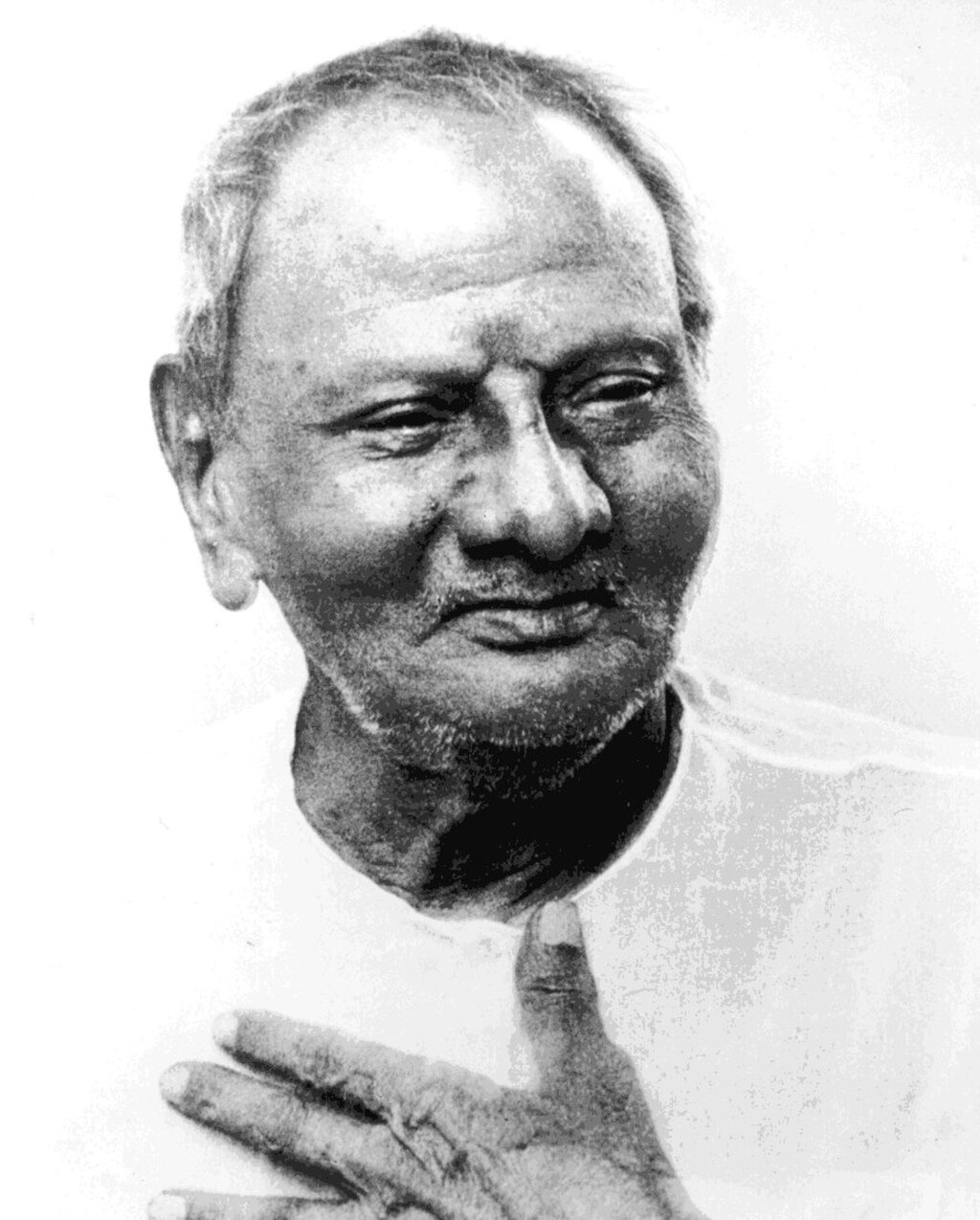
The Illusion of Self: Embracing Wholeness Beyond Falsehood
Nisargadatta Maharaj's assertion, "There is nothing wrong with you, except your false ideas about yourself," invites us to confront the deeply ingrained misconceptions we hold about our identity. This statement serves as a profound reminder that our perceived flaws and limitations are often constructs of the mind rather than reflections of our true essence. In a world that frequently emphasizes external validation and comparison, recognizing the distinction between our authentic self and the distorted images we create can be transformative. The stakes are high; understanding this truth can lead to liberation from suffering and a return to our inherent wholeness.
At the heart of this quote lies an invitation to explore the nature of self-perception and the narratives we weave around our existence. Maharaj's words challenge us to question the validity of our self-judgments and the societal standards that shape them. By peeling away the layers of falsehood, we can begin to uncover the radiant truth of who we are. This journey towards self-discovery is not merely an intellectual exercise; it is a deeply felt experience that can alter the course of our lives, allowing us to embrace our true nature with compassion and acceptance.
The image / the metaphor
The imagery in Maharaj's quote evokes a sense of clarity amidst confusion. The phrase "nothing wrong with you" suggests an inherent perfection that exists beneath the surface of our self-doubt and insecurities. The verbs chosen—"wrong" and "false"—imply a dichotomy between our true self and the illusions we construct. This felt sense of dissonance resonates deeply within many of us, as we often grapple with feelings of inadequacy and the weight of societal expectations. Maharaj's words serve as a gentle yet firm reminder that these feelings are not a reflection of our true nature but rather a distortion of it.
Diving deeper into the metaphor, we can see that the "false ideas" represent the myriad ways we misinterpret our experiences and identities. These ideas are akin to clouds obscuring the sun; they may block our view of the light that is our true essence. By recognizing these clouds for what they are—temporary, changeable, and ultimately insubstantial—we can begin to cultivate a clearer vision of ourselves. This process of discernment is not about eradicating these false ideas but rather understanding their transient nature and the freedom that lies in acknowledging our wholeness beyond them.
In the speaker's tradition
Nisargadatta Maharaj's teachings are rooted in the non-dual tradition, which emphasizes the interconnectedness of all existence and the illusion of separateness. Concepts such as *sunyata* (emptiness) and *fana* (annihilation of the self) resonate deeply with his assertion. In this context, the false ideas about ourselves can be seen as the ego's attempts to assert its individuality, leading to a sense of separation from the whole. The path of non-duality invites us to dissolve these boundaries, revealing the underlying unity that exists within all beings. This journey towards understanding our true nature is often accompanied by practices that cultivate awareness and presence, allowing us to experience the fullness of life without the burden of self-imposed limitations.
A relevant text that echoes Maharaj's sentiment is the *Ashtavakra Gita*, which speaks to the nature of the self and the importance of transcending the ego. In this ancient scripture, the sage Ashtavakra teaches that true liberation comes from recognizing the illusory nature of the self and embracing the essence of being. The parallels between Maharaj's teachings and those found in the *Ashtavakra Gita* highlight a shared understanding of the human experience: that our suffering often arises from our attachment to false identities, and liberation is found in the realization of our inherent wholeness.
Living the teaching
Consider a modern scenario where this teaching can be applied: a person grappling with feelings of inadequacy in their career. They may constantly compare themselves to colleagues, believing they are not skilled enough or deserving of success. This internal narrative, rooted in false ideas about their abilities, creates a cycle of self-doubt and anxiety. By reflecting on Maharaj's words, they can begin to question these beliefs, recognizing that their worth is not contingent upon external validation but rather an intrinsic quality that exists regardless of their achievements. This shift in perspective can empower them to pursue their passions with renewed confidence and authenticity.
Another application of this teaching can be found in relationships, particularly during conflicts. When misunderstandings arise, individuals often cling to their perceptions of the other person, labeling them as selfish or unkind. These judgments stem from false ideas about both themselves and the other, creating barriers to connection and understanding. By embracing the insight that there is "nothing wrong" with either party, they can approach the situation with compassion and openness, fostering a space for healing and reconciliation. This practice of seeing beyond the surface can transform relationships, allowing for deeper intimacy and connection.
A reflection
As we contemplate Maharaj's profound statement, we are invited to explore the nature of our self-perception. What false ideas about yourself have you been holding onto, and how do they shape your experience of life? In this moment of reflection, consider the possibility that beneath these illusions lies a radiant truth waiting to be uncovered. Allow yourself to sit with this question, inviting awareness and compassion into your exploration of self.



