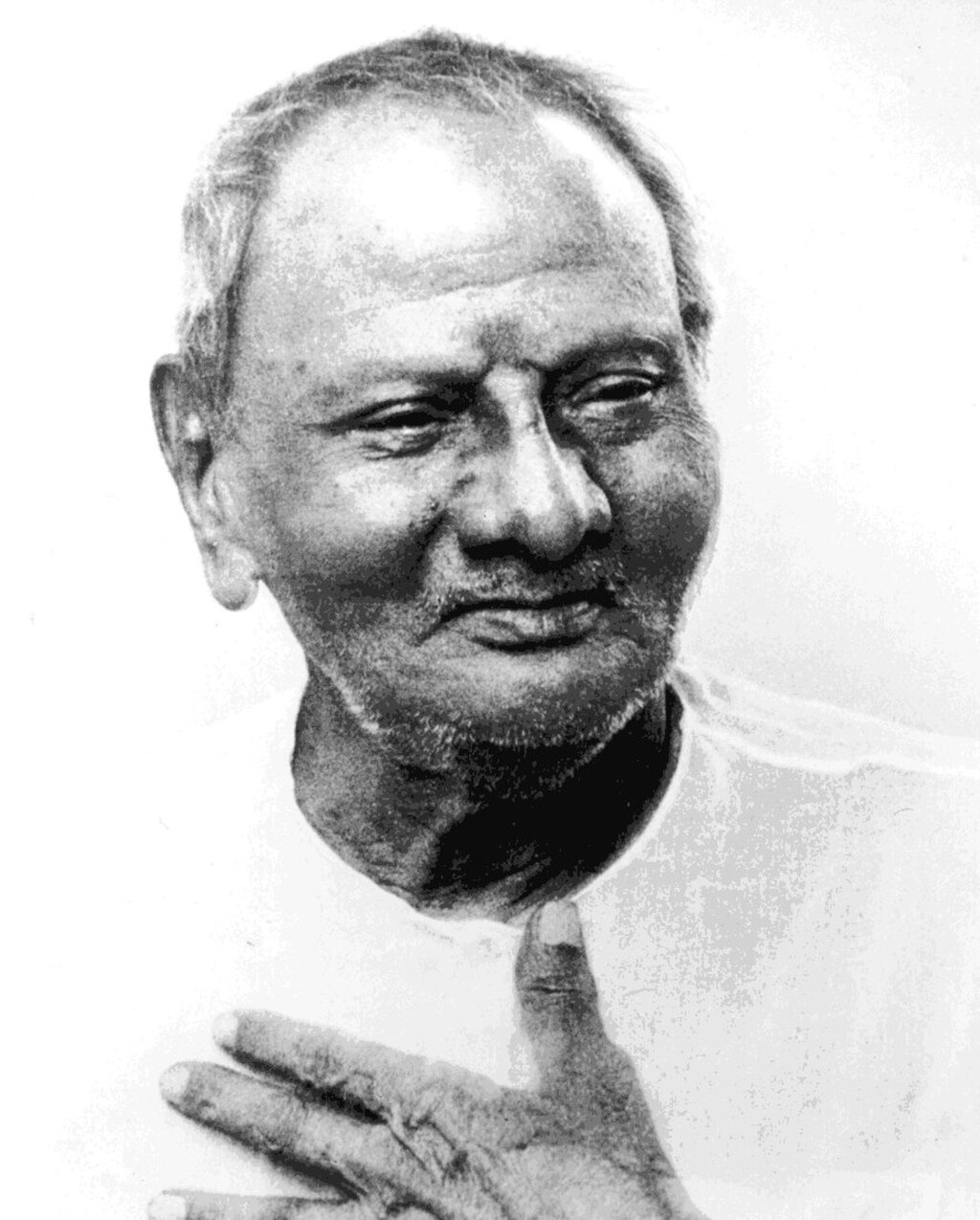
The Elusive Nature of Truth: A Journey into the Obvious
Nisargadatta Maharaj's assertion that "Truth is the obvious that keeps being missed" invites us to reconsider our relationship with reality. In a world saturated with distractions and complexities, the essence of truth often eludes us, hiding in plain sight. This quote challenges us to look beyond the surface of our experiences and perceptions, urging us to recognize the simplicity that underlies existence. The stakes are high; understanding this truth can lead to profound liberation and clarity in our lives.
As we delve deeper into this notion, we begin to see that the truth is not merely an abstract concept but a lived experience. It is the foundation upon which our understanding of self and the universe rests. Maharaj's words remind us that the most significant insights are often those we overlook, buried beneath layers of conditioning and distraction. This realization beckons us to cultivate a deeper awareness, to peel back the layers of our habitual thinking, and to embrace the simplicity of what is. In doing so, we may find that the truth is not something to be sought after but rather something to be recognized and embraced.
The image / the metaphor
The imagery in Maharaj's quote evokes a sense of irony; truth, which should be apparent and accessible, becomes obscured by our own perceptions and beliefs. The use of the word "obvious" suggests that truth is not hidden in the shadows but rather illuminated, waiting for our acknowledgment. The phrase "keeps being missed" implies a recurring pattern, a cycle of overlooking what is right in front of us. This dynamic creates a felt sense of urgency, as if we are perpetually on the verge of a revelation that remains just out of reach.
Diving deeper into this metaphor, we can see that the act of missing the obvious speaks to our human tendency to complicate our understanding of reality. We often seek elaborate explanations and intricate philosophies, believing that truth must be complex to be valuable. However, Maharaj's insight invites us to reconsider this assumption. The simplicity of truth, much like the air we breathe, is often taken for granted. It is in the mundane moments of life that we may find the most profound truths, waiting patiently for our recognition.
In the speaker's tradition
Nisargadatta Maharaj's teachings are rooted in the non-dual tradition, which emphasizes the interconnectedness of all existence and the illusion of separation. Concepts such as *sunyata* (emptiness) and *prajna* (wisdom) resonate deeply with the idea that truth is often overlooked. In this context, the truth is not merely a factual statement but a realization of the fundamental nature of reality, which transcends dualistic thinking. The practice of *kenosis*, or self-emptying, becomes essential in this journey, as it allows us to release our preconceived notions and open ourselves to the truth that is ever-present.
In his seminal work, *I Am That*, Maharaj articulates the importance of direct experience over intellectual understanding. He encourages seekers to look beyond the mind's chatter and to engage with the essence of their being. This aligns with the notion that truth is often obscured by our mental constructs. By cultivating a state of awareness that transcends thought, we can begin to glimpse the obvious truths that have been eluding us. The teachings of non-duality remind us that the path to truth is not a linear journey but a continuous unfolding of awareness.
Living the teaching
Consider a modern scenario where this teaching might resonate: a person grappling with the complexities of their career. They may find themselves overwhelmed by the myriad of choices and pressures, constantly seeking the "right" path. In this state of confusion, the obvious truth—that they possess the skills and intuition to navigate their journey—can become obscured. By taking a step back and recognizing the simplicity of their own capabilities, they can reclaim their sense of direction and purpose, allowing the truth of their potential to emerge.
This teaching can also be applied in the realm of relationships. Imagine a couple facing a recurring conflict, each partner entrenched in their perspectives, unable to see the other's point of view. The truth that underlies their struggle—their shared love and commitment—often gets lost in the noise of their disagreements. By consciously choosing to acknowledge this fundamental truth, they can shift their focus from the conflict to the connection, fostering understanding and compassion. In both scenarios, the act of recognizing what is obvious can lead to transformative shifts in perception and experience.
A reflection
As we contemplate Maharaj's profound statement, we are invited to reflect on our own lives: What obvious truths have we been missing? In a world that often encourages complexity, how can we cultivate the awareness to recognize the simplicity that lies beneath our experiences? This question serves as a gentle reminder to pause, to breathe, and to look inward, inviting us to uncover the truths that await our recognition.



