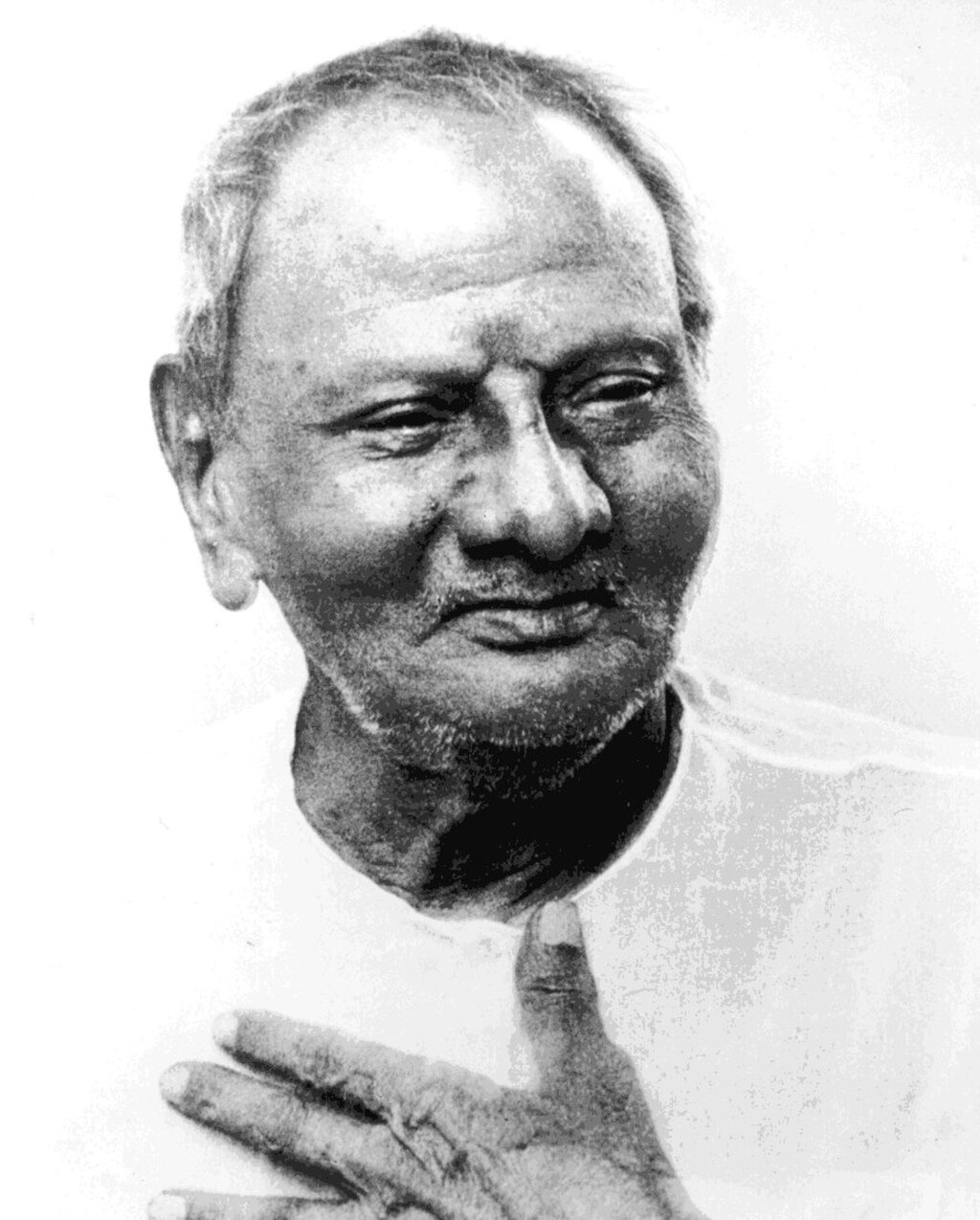
The Hidden Proximity of Our Seeking
Nisargadatta Maharaj's profound statement, "What you are looking for is so close, you cannot see it," invites us to reconsider the nature of our search for meaning, fulfillment, and understanding. This quote suggests that the very essence of what we seek—be it peace, love, or enlightenment—is not distant or elusive, but rather intimately close, perhaps even within us. The stakes of this realization are significant; it challenges the common belief that fulfillment lies in external pursuits, urging us to turn our gaze inward and recognize the inherent wholeness that already exists within us.
In a world that often equates worth with achievement and external validation, Maharaj's words serve as a gentle reminder of the simplicity and immediacy of our true nature. This teaching resonates deeply in our contemporary lives, where distractions abound and the search for happiness often leads us further away from ourselves. By acknowledging that what we seek is not a distant goal but a present reality, we open ourselves to a transformative understanding of intimacy—both with ourselves and the universe around us.
The image / the metaphor
The imagery in Maharaj's quote evokes a sense of closeness that is paradoxical yet profound. The phrase "so close" suggests an intimacy that is often overlooked; it implies that our desires and longings are not external quests but rather invitations to explore the depths of our own being. The verb "looking" indicates an active search, yet it also hints at a futility in that search when it is directed outward. This duality creates a felt sense of urgency and intimacy, compelling us to pause and reconsider where we direct our attention.
Diving deeper into the metaphor, we can see that the act of seeking often obscures our ability to recognize what is already present. Just as a person searching for their glasses might overlook them when they are perched atop their head, we too may overlook the profound truths that reside within us. This metaphor invites us to cultivate a sense of awareness and presence, encouraging us to shift our focus from the external to the internal, where the answers we seek may be waiting in quietude.
In the speaker's tradition
Nisargadatta Maharaj's teachings emerge from the rich soil of non-dual philosophy, which emphasizes the interconnectedness of all existence and the illusion of separation. Central to this tradition is the concept of *advaita*, or non-duality, which posits that the self and the universe are not distinct entities but rather expressions of a singular reality. This understanding aligns with the notion of *sunyata*, or emptiness, which suggests that our perceptions of lack and separation are mere illusions that cloud our awareness of the inherent wholeness of being.
A relevant text that echoes this sentiment is the *Upanishads*, which explore the idea of *Brahman*—the ultimate reality that is both immanent and transcendent. In these ancient teachings, the search for truth is often depicted as a journey inward, where the seeker discovers that the essence of what they seek is not found in external circumstances but within the depths of their own consciousness. Maharaj's quote encapsulates this timeless wisdom, reminding us that the answers we seek are not far-flung destinations but rather the very fabric of our existence.
Living the teaching
Consider a modern scenario where an individual is caught in the relentless pursuit of success—working long hours, striving for promotions, and seeking validation from peers. In this context, Maharaj's teaching serves as a poignant reminder that the fulfillment they seek may not lie in external accolades but rather in the quiet moments of self-acceptance and inner peace. By recognizing that their worth is not contingent upon achievements, they can begin to cultivate a deeper relationship with themselves, discovering that the joy they seek is already present within.
This teaching can also be applied to interpersonal relationships, where individuals often seek love and connection outside themselves. In moments of conflict or disconnection, one might reflect on Maharaj's words and recognize that the love they yearn for is not something to be acquired but rather a state of being that can be nurtured from within. By fostering self-love and acceptance, they may find that their relationships transform, as they approach others from a place of wholeness rather than neediness, creating a more profound and intimate connection.
A reflection
As we contemplate Maharaj's insightful words, we are invited to reflect on the nature of our own seeking. What if the very essence of what we desire is already within us, waiting to be acknowledged? In this moment of introspection, consider this question: How can you turn your gaze inward and recognize the closeness of what you seek, allowing it to transform your understanding of fulfillment and intimacy?



