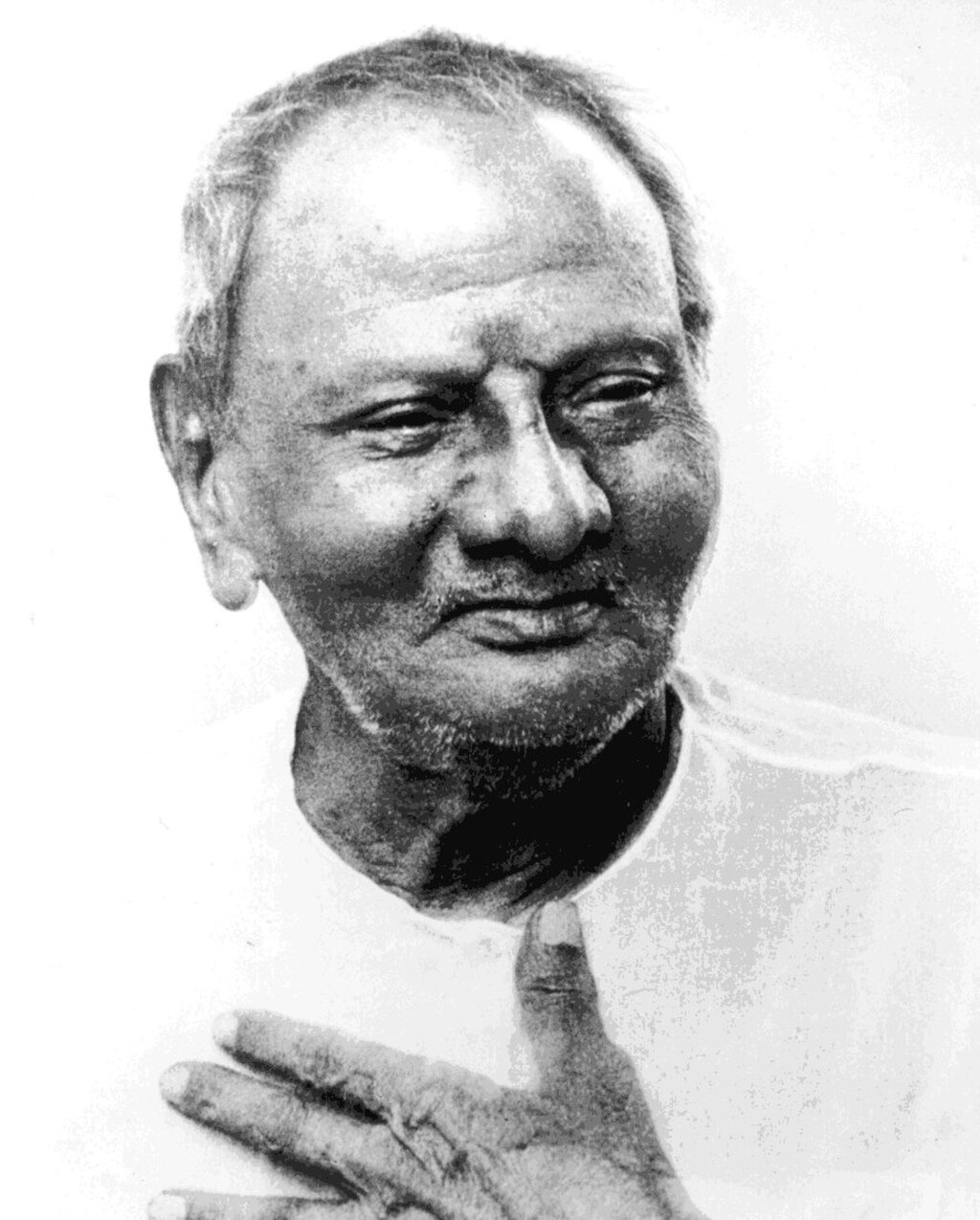
The Dance of Nothingness and Everythingness
Nisargadatta Maharaj's profound statement, "Wisdom tells me I am nothing. Love tells me I am everything. Between the two, my life flows," invites us into a contemplative exploration of existence. Here, wisdom and love are not opposing forces but rather complementary aspects of a singular truth. This quote encapsulates the delicate balance between recognizing our inherent emptiness and embracing our boundless potential, a dance that shapes the very essence of our lives. Understanding this interplay is crucial for anyone seeking a deeper connection to themselves and the world around them.
In a world often dominated by the pursuit of identity and achievement, Maharaj's words serve as a gentle reminder of the paradox that lies at the heart of our existence. The acknowledgment of "nothingness" can initially evoke feelings of despair or insignificance, yet it is through this realization that we can cultivate a profound sense of freedom. Conversely, the assertion that "I am everything" opens the door to love, connection, and the recognition of our shared humanity. This duality is not merely philosophical; it is a lived experience that can transform our understanding of self and relationship.
The image / the metaphor
The imagery in Maharaj's quote is striking, evoking a sense of fluidity and movement. The verbs "tells" and "flows" suggest a dynamic interplay rather than static truths. Wisdom, often associated with clarity and insight, reveals the transient nature of the self, while love, characterized by warmth and connection, affirms our interconnectedness with all beings. This duality creates a vivid tapestry of existence, where the threads of wisdom and love weave together to form the fabric of our lives.
In the speaker's tradition
Nisargadatta Maharaj's teachings are deeply rooted in the non-dual tradition, which emphasizes the unity of all existence. Concepts such as *sunyata* (emptiness) and *fana* (annihilation of the self) resonate with the idea of recognizing our nothingness. In this context, wisdom is not merely intellectual understanding but a profound realization of the illusory nature of the self. Conversely, love, often expressed through *bhakti* (devotion), serves as the bridge that connects us to the divine and to one another, affirming our existence as part of a greater whole.
In his seminal work, *I Am That*, Maharaj articulates the essence of non-duality, inviting seekers to transcend the dualistic perceptions of self and other. He encourages us to explore the depths of our being, where the realization of nothingness leads to the experience of everythingness. This teaching echoes the sentiments found in other spiritual texts, such as the *Upanishads*, which speak of the ultimate reality as both the source and the essence of all that exists. The interplay of wisdom and love is thus a central theme in the journey toward self-realization.
Living the teaching
Consider a modern scenario where this teaching can be applied: a professional facing burnout in a high-pressure job. The relentless pursuit of success can lead to a sense of emptiness, where one feels like a mere cog in a machine. By embracing the wisdom of nothingness, this individual can recognize that their worth is not tied to their job title or achievements. This realization can foster a sense of liberation, allowing them to step back and reassess their priorities, ultimately leading to a more fulfilling life aligned with their true values.
In the context of relationships, the balance between wisdom and love becomes even more poignant. Imagine a couple navigating a difficult period marked by misunderstandings and resentment. By applying the teaching of Maharaj, each partner can reflect on their own sense of nothingness, recognizing that their identities are not fixed but fluid. This understanding can pave the way for deeper compassion and empathy, allowing love to flourish amidst the challenges. In this way, the flow of life becomes a shared journey, enriched by the wisdom of self-awareness and the boundless nature of love.
A reflection
As we contemplate the profound insights offered by Nisargadatta Maharaj, we are invited to explore the delicate balance between wisdom and love in our own lives. How can we cultivate a deeper understanding of our own nothingness while simultaneously embracing the fullness of our existence? This question serves as a guiding light, encouraging us to reflect on our experiences and relationships, ultimately leading us toward a more harmonious and integrated way of being.



