The Stillness of Being: Embracing Consciousness
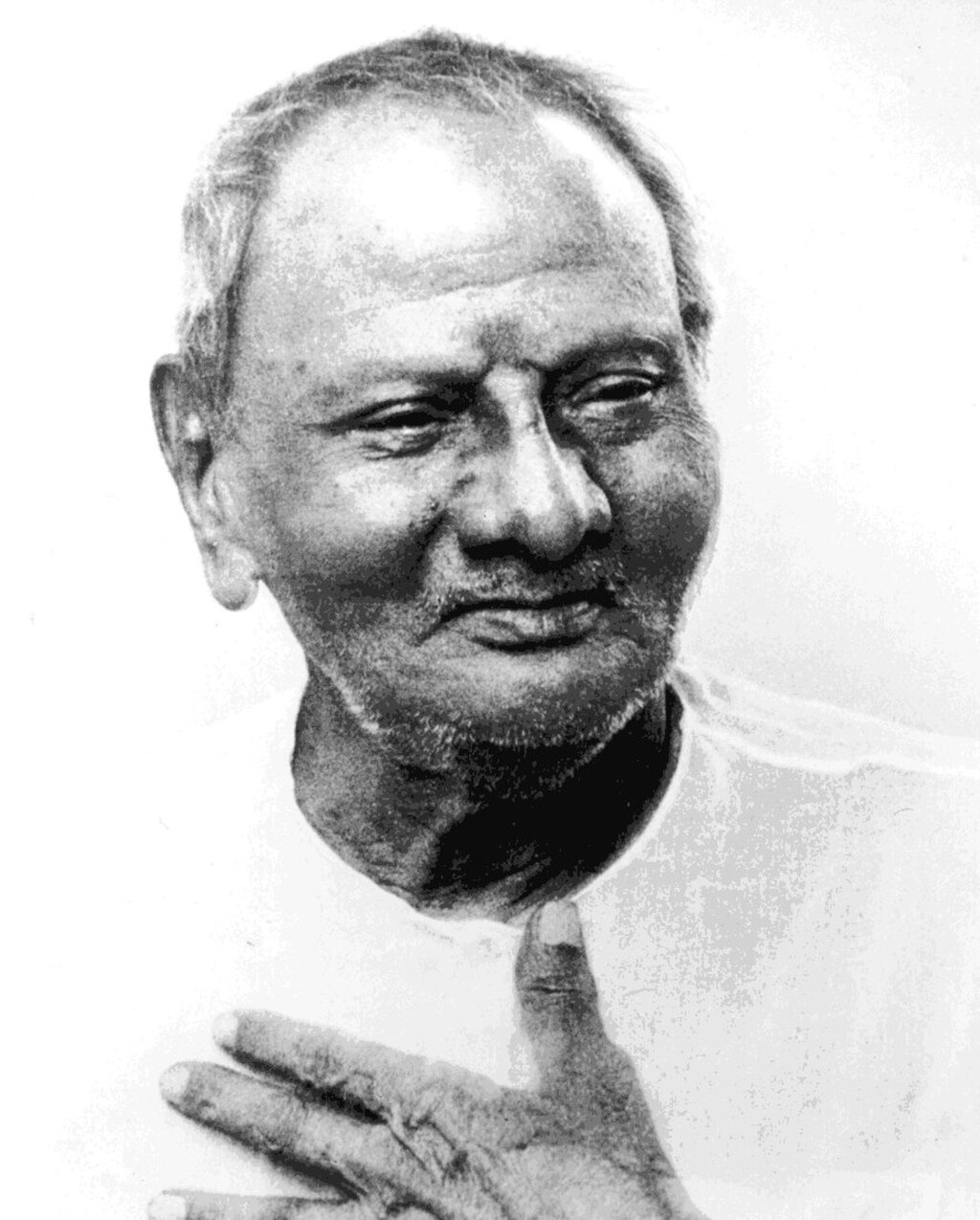
Nisargadatta Maharaj's profound invitation, "You are conscious of being. Stay there," beckons us to a state of awareness that transcends the tumult of daily existence. In this simple yet powerful statement, he encourages us to anchor ourselves in the essence of our own consciousness, suggesting that true understanding and peace lie not in the distractions of the mind but in the quiet recognition of our being. This teaching matters profoundly in a world often characterized by chaos and superficiality, as it offers a pathway to deeper self-awareness and spiritual fulfillment.
To "stay there" implies a commitment to remain present with our own awareness, a practice that requires both intention and discipline. In a society that constantly pulls us toward external validation and incessant activity, this call to remain in the awareness of being serves as a radical act of self-acceptance and presence. It invites us to explore the depths of our consciousness, to recognize the stillness that exists beneath the surface of our thoughts and emotions, and to cultivate a relationship with our true selves that is both nurturing and transformative.
The image / the metaphor
The imagery in Maharaj's quote evokes a sense of grounding and stability, as if he is inviting us to plant our feet firmly in the soil of our own existence. The verb "stay" suggests a deliberate choice to pause, to resist the urge to flee into the distractions of thought or external circumstances. This act of staying is not passive; rather, it is an active engagement with the present moment, a conscious decision to embrace the fullness of our being without judgment or fear. The felt sense of this invitation is one of safety and refuge, a reminder that within us lies a sanctuary of awareness that is always accessible.
In the speaker's tradition
Nisargadatta Maharaj's teachings are rooted in the non-dual tradition, which emphasizes the fundamental unity of existence and the illusion of separateness. Concepts such as *dharma* (the natural order of the universe) and *sunyata* (emptiness) resonate deeply within this framework, inviting practitioners to explore the nature of reality beyond the confines of individual identity. Maharaj's emphasis on awareness aligns with the notion of *prajna*, or wisdom, which arises from direct experience rather than intellectual understanding. This wisdom is not merely an accumulation of knowledge but a profound realization of our true nature as consciousness itself.
In his seminal work, *I Am That*, Maharaj articulates the essence of this teaching through dialogues that challenge the seeker to look beyond the transient nature of thoughts and emotions. He often draws upon the metaphor of a mirror, reflecting the idea that our true self is like a clear surface that reveals the world without distortion. This perspective invites us to recognize that our awareness is not separate from the world but is, in fact, the very lens through which we experience it. By staying in this awareness, we align ourselves with the truth of our being, transcending the limitations of the ego.
Living the teaching
Consider a modern scenario where the pressures of work and personal life create a whirlwind of stress and distraction. In such moments, the invitation to "stay" in the consciousness of being becomes a lifeline. Imagine taking a brief pause during a hectic day to close your eyes, breathe deeply, and simply acknowledge your existence. This practice of grounding oneself in awareness can transform the experience of stress into a moment of clarity, allowing you to respond to challenges with a sense of calm and centeredness rather than reactionary anxiety.
In relationships, this teaching can manifest as a profound practice of presence. When conflicts arise, instead of becoming entangled in the drama of emotions, one can choose to remain anchored in the awareness of being. This conscious choice allows for a deeper understanding of oneself and the other, fostering compassion and empathy. By staying present, we create space for authentic communication, enabling us to navigate difficulties with grace and understanding, ultimately enriching our connections with others.
A reflection
As we reflect on Maharaj's invitation to "stay" in the consciousness of being, we are called to consider the nature of our own awareness. What does it mean for you to remain present with your own being amidst the distractions of life? In what ways can you cultivate this practice of awareness in your daily routine, allowing it to deepen your understanding of yourself and your connection to the world around you? This contemplation invites us to explore the richness of our existence and the transformative power of simply being.



