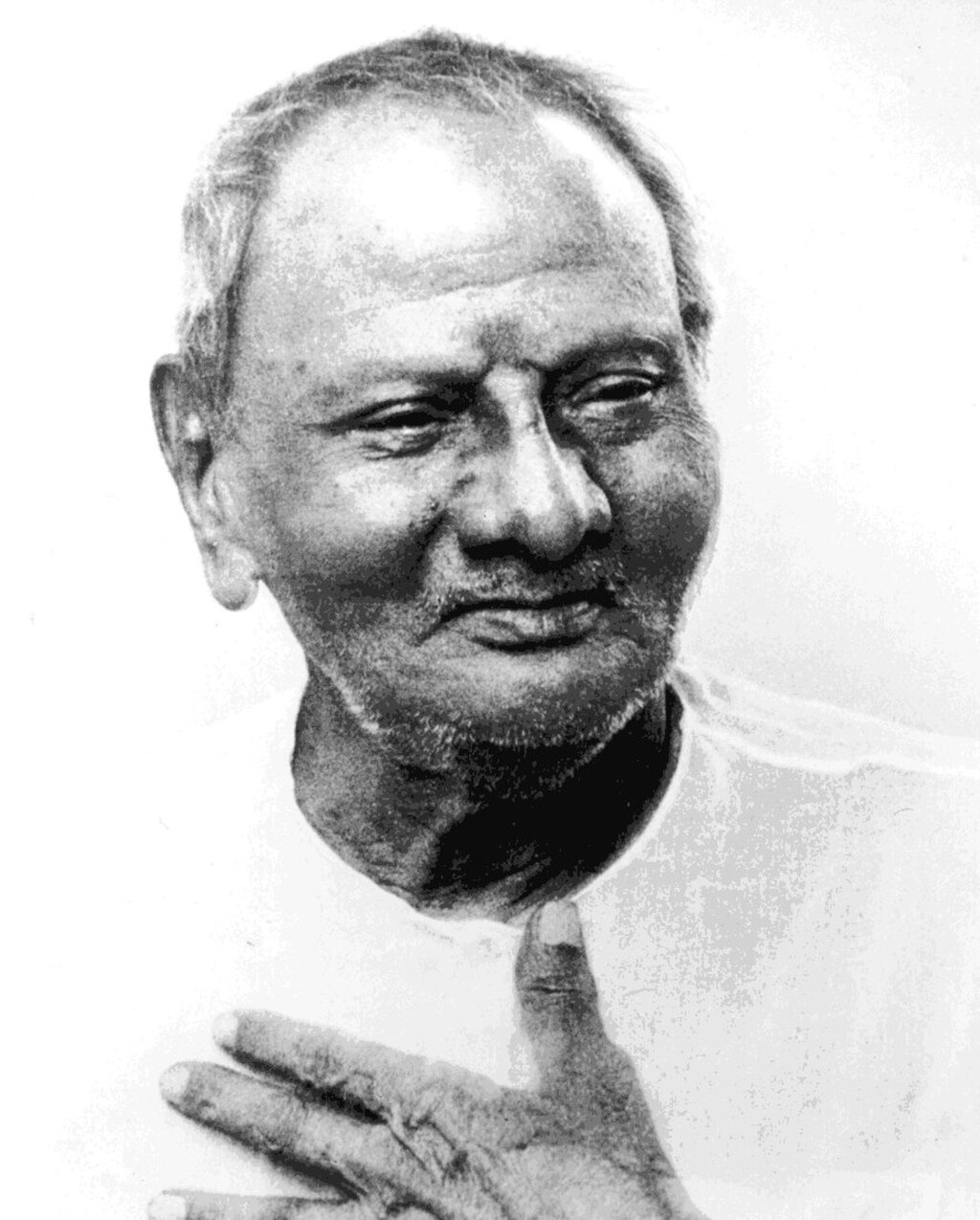
The Power of Stillness: Embracing Non-Doing
Nisargadatta Maharaj's profound statement, "You don't need to do anything. Just stay quiet," invites us into a realm of stillness that transcends the frenetic pace of modern life. In a world that often equates worth with constant activity, this teaching challenges us to reconsider our relationship with doing and being. It beckons us to explore the depths of our existence, suggesting that true understanding and peace arise not from relentless striving, but from the quietude of our own nature.
This invitation to stillness is not merely a call to silence our external environment, but rather an invitation to cultivate an inner sanctuary where the noise of thought and desire can dissipate. In this space, we can begin to recognize the essence of who we are beyond our roles, responsibilities, and incessant doing. Maharaj’s words resonate deeply, urging us to embrace a practice of non-doing that can lead to profound insights and a more authentic way of living.
The image / the metaphor
The imagery in Maharaj's quote evokes a sense of serene detachment, where the act of "staying quiet" becomes a powerful metaphor for inner stillness. The choice of words—"need" and "quiet"—suggests a relinquishing of the compulsive need to act, to prove, or to achieve. Instead, it invites us to cultivate a state of being that is inherently peaceful and aware. This quietude is not an absence but a presence, a fertile ground where clarity and understanding can emerge.
In the speaker's tradition
Nisargadatta Maharaj's teachings are rooted in the non-dual tradition, which emphasizes the fundamental unity of all existence. Concepts such as *sunyata* (emptiness) and *kenosis* (self-emptying) resonate deeply with his message of non-doing. In this context, the act of quieting the mind is not merely a personal endeavor but a recognition of the interconnectedness of all things, where the self dissolves into the greater whole. This understanding aligns with the notion of *fana*, the annihilation of the self in the divine, where true liberation is found in surrendering the ego's incessant demands.
In his seminal work, *I Am That*, Maharaj articulates the importance of recognizing the illusion of separateness that arises from our thoughts and actions. He encourages seekers to turn inward, to discover the unchanging awareness that lies beneath the surface of our fluctuating experiences. This perspective echoes the teachings of other non-dual texts, such as the *Upanishads*, which emphasize the realization of the self as *Brahman*, the ultimate reality that transcends all dualities.
Living the teaching
Consider a modern scenario where the pressures of work and life create a cacophony of demands. In such moments, the teaching of "just stay quiet" can serve as a powerful reminder to pause and reconnect with oneself. Imagine a busy professional overwhelmed by deadlines and expectations. By taking a few moments to step away, breathe deeply, and embrace the stillness, they can cultivate clarity and perspective, allowing them to approach their tasks with renewed energy and focus.
This teaching can also be applied in the realm of relationships, particularly during conflicts or misunderstandings. When emotions run high, the instinct may be to react, to defend, or to argue. However, by choosing to "stay quiet," one can create space for reflection and understanding. This non-reactive stance allows for deeper listening and compassion, fostering a more harmonious connection with others. In both personal and professional contexts, the practice of non-doing opens pathways to greater awareness and connection.
A reflection
As we contemplate Maharaj's invitation to "just stay quiet," we are called to explore the nature of our own inner stillness. What does it mean for you to embrace non-doing in your life? In what areas do you find yourself caught in the cycle of constant activity, and how might you cultivate a practice of quietude to reconnect with your true self? Reflecting on these questions can lead to profound insights and a deeper understanding of the essence of being.



