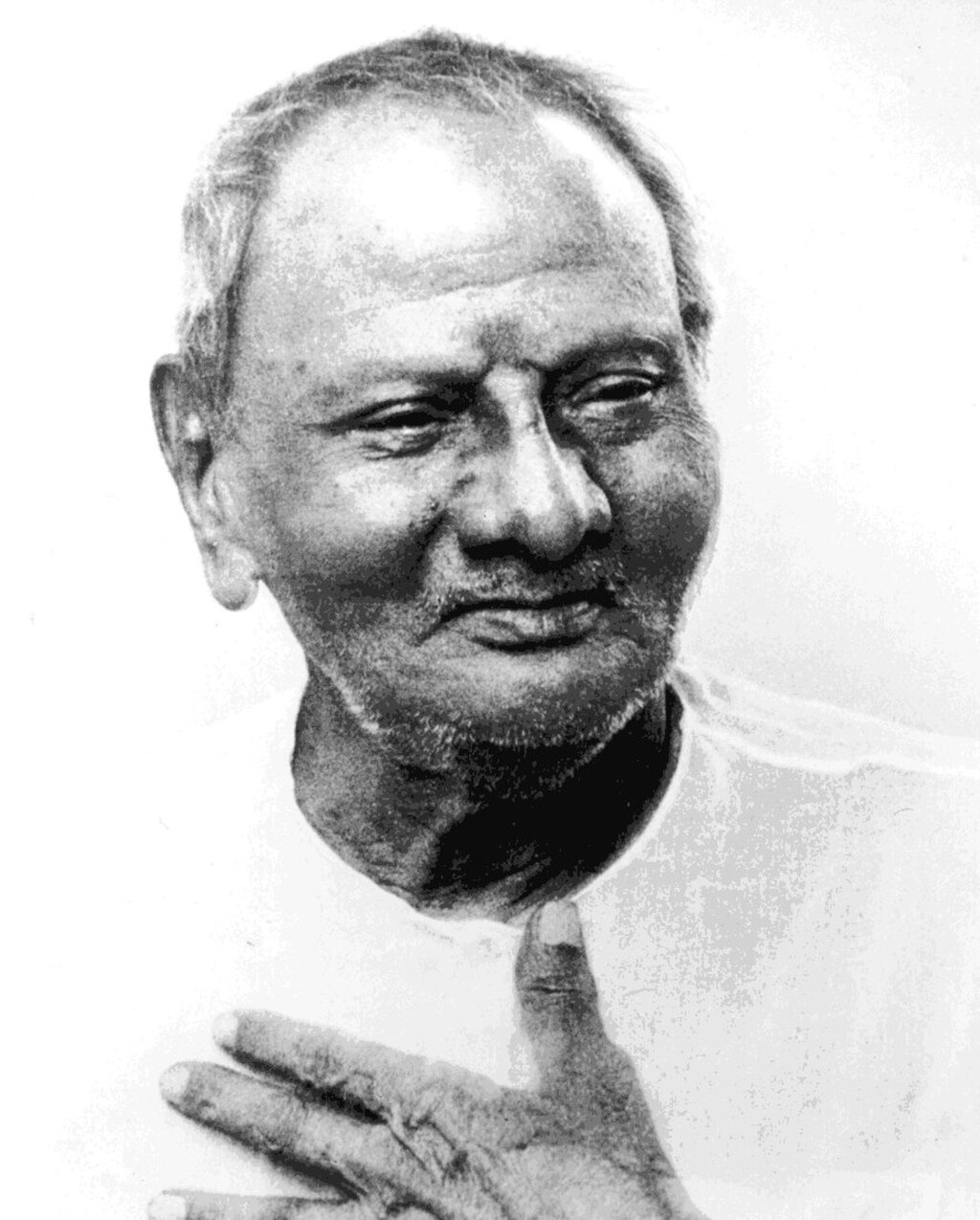
Unveiling the True Self: The Path of Discrimination
"You must give up the false to find the true." This profound assertion by Nisargadatta Maharaj invites us to embark on a journey of discernment, urging us to relinquish the illusions that cloud our perception of reality. In a world saturated with distractions and superficial identities, the stakes are high; our understanding of self and existence hinges on our ability to distinguish between what is transient and what is enduring. This teaching resonates deeply within the non-dual tradition, where the quest for truth is not merely an intellectual exercise but a transformative process that leads to liberation.
To grasp the essence of this quote, we must first acknowledge the nature of the "false" and the "true." The false encompasses the myriad identities, beliefs, and attachments that we accumulate throughout our lives, often leading us away from our authentic selves. The true, on the other hand, represents the unchanging essence of our being, a state of awareness that transcends the fluctuations of the material world. This dichotomy is not just a philosophical concept; it is a lived experience that requires courage and commitment to explore the depths of our consciousness.
The image / the metaphor
The imagery in Nisargadatta's quote evokes a sense of shedding layers, much like a snake sloughing off its skin. The verbs "give up" and "find" suggest an active engagement with our inner landscape, where the act of relinquishing the false is a prerequisite for discovering the true. This process is not passive; it demands a conscious effort to confront the illusions we cling to, whether they be societal expectations, personal narratives, or material possessions. The felt sense of this journey is one of liberation, as we gradually unearth the essence of who we are beneath the weight of falsehood.
Diving deeper into the metaphor, we can envision the false as a dense fog that obscures our vision, preventing us from seeing the clarity of the true self. As we engage in the practice of discrimination, we begin to clear this fog, allowing the light of awareness to shine through. This metaphorical journey is akin to a sculptor chiseling away at a block of marble to reveal the statue within; it is through the process of removal that the true form emerges. Thus, the act of giving up is not merely a loss but a profound act of creation, leading us to a more authentic existence.
In the speaker's tradition
Nisargadatta Maharaj's teachings are rooted in the non-dual tradition, which emphasizes the interconnectedness of all existence and the illusion of separateness. Central to this philosophy is the concept of *advaita*, or non-duality, which posits that the true self is not distinct from the universe but is, in fact, the very essence of it. This perspective invites us to engage in *dharma*, the ethical path that guides us toward truth, and to practice *kenosis*, the self-emptying that allows us to let go of our attachments and preconceived notions. In this light, the act of giving up the false becomes a sacred endeavor, aligning us with the greater cosmic order.
In the context of non-dual texts, we can draw parallels with the Buddhist concept of *sunyata*, or emptiness, which teaches that all phenomena are devoid of inherent existence. Just as Nisargadatta encourages us to relinquish false identities, the Buddha invites us to recognize the emptiness of our attachments. Both traditions highlight the necessity of discerning the transient from the eternal, urging seekers to cultivate *prajna*, or wisdom, that arises from direct experience rather than intellectual understanding. This wisdom is the key to unlocking the true nature of our being.
Living the teaching
Consider a modern scenario where this teaching might resonate: an individual caught in the relentless pursuit of success, defined by societal standards of wealth and status. This person may find themselves feeling unfulfilled, despite achieving what they once thought would bring happiness. By embracing Nisargadatta's teaching, they might begin to question the validity of these external markers of success, leading them to explore their true desires and values. This process of discrimination allows them to shed the false identity of the "successful person" and uncover a more authentic self, one that aligns with their inner truth.
In the realm of relationships, the application of this teaching can be equally transformative. Imagine a partnership strained by misunderstandings and unspoken expectations. By practicing the discernment encouraged by Nisargadatta, individuals can begin to identify the false narratives they hold about themselves and each other. This clarity fosters open communication and vulnerability, enabling both partners to let go of preconceived notions and embrace a deeper connection rooted in authenticity. In this way, the act of giving up the false becomes a pathway to genuine intimacy and understanding.
A reflection
As we contemplate the wisdom embedded in Nisargadatta Maharaj's quote, we are invited to engage in a profound inquiry: What false identities or beliefs am I clinging to that prevent me from experiencing my true self? This question serves as a mirror, reflecting the layers we may have accumulated over time. By embracing this inquiry with openness and curiosity, we can embark on a journey of self-discovery, ultimately leading us to the liberation that lies in the recognition of our true essence.



